At Shandong HeadPowder Engineering Co., Ltd., we specialize in the design, manufacturing, and installation of advanced cement auxiliary material conveying equipment. Our products are engineered to efficiently transport various auxiliary materials such as limestone, clay, iron ore, and gypsum, which are essential components in the cement production process. This article provides a detailed overview of the operation process and working principle of our cement auxiliary material conveying equipment, highlighting key components, operational steps, and the technical aspects that ensure optimal performance.

Key Components of Cement Auxiliary Material Conveying Equipment
The cement auxiliary material conveying system typically consists of several critical components that work in tandem to ensure smooth material transport. These components include feed hoppers, conveyor belts or screw conveyors, drive systems, tensioning mechanisms, and control panels. Each component plays a vital role in the overall functionality of the equipment. The feed hopper is responsible for receiving and storing the raw materials, while the conveyor mechanism (either a belt or screw) transports the materials from the hopper to the next processing stage. The drive system provides the necessary power to move the conveyor, and the tensioning mechanism maintains the proper tension of the conveyor belt or screw, preventing slippage and ensuring consistent material flow. The control panel allows operators to monitor and adjust the system parameters, such as speed and material feed rate, to optimize performance.
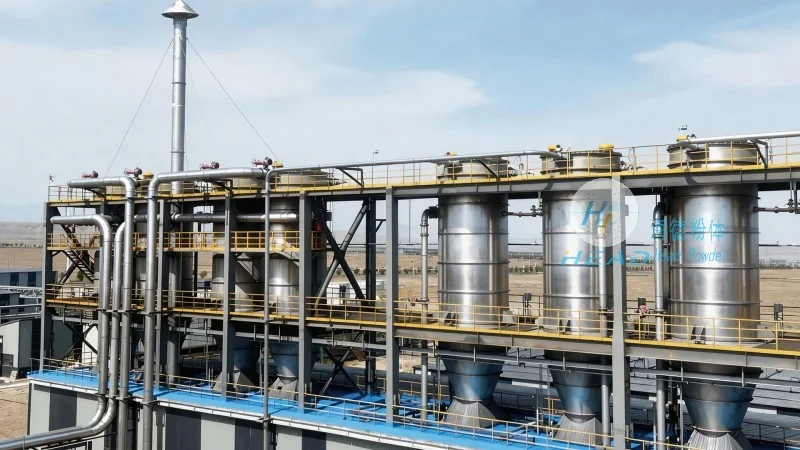
Operation Process of Cement Auxiliary Material Conveying Equipment
The operation process of our cement auxiliary material conveying equipment begins with the loading of raw materials into the feed hopper. The hopper is designed with a sloped bottom to facilitate the flow of materials into the conveyor. Once the hopper is filled, the drive system activates, and the conveyor starts moving. The materials are then transported along the conveyor path, which may include horizontal, vertical, or inclined sections depending on the layout of the cement plant. At the end of the conveyor, the materials are discharged into a storage silo or directly into the cement mill for further processing. The entire process is automated, with the control panel allowing operators to adjust the conveyor speed and feed rate based on production requirements. This ensures that the material flow is consistent and meets the demands of the cement production line.
Working Principle of Cement Auxiliary Material Conveying Equipment
The working principle of our cement auxiliary material conveying equipment is based on mechanical power transmission and material handling technology. The system operates by using a conveyor mechanism to move the raw materials from the feed hopper to the discharge point. The feed hopper collects the auxiliary materials, and the conveyor belt or screw rotates, carrying the materials forward. The drive system, usually an electric motor connected to a gearbox, provides the rotational force to the conveyor. The tensioning mechanism ensures that the conveyor belt or screw remains taut, preventing it from sagging or slipping. The control panel monitors the system's performance, including speed, tension, and material level, and adjusts the parameters as needed. This closed-loop control system ensures that the conveying process is efficient and reliable, minimizing downtime and maximizing material throughput. The equipment is designed to handle a wide range of material types and particle sizes, making it suitable for various cement production applications.

Advantages of Our Cement Auxiliary Material Conveying Equipment
Our cement auxiliary material conveying equipment offers several advantages that make it an ideal choice for cement manufacturers. First, the equipment is highly efficient, with low energy consumption and high material throughput. The automated control system ensures consistent performance, reducing the need for manual intervention and minimizing human error. Second, the equipment is durable and reliable, with robust construction that can withstand the harsh conditions of the cement plant. The use of high-quality materials and precision manufacturing ensures long service life and minimal maintenance requirements. Third, the equipment is flexible and can be customized to meet the specific needs of different cement plants. The modular design allows for easy installation and integration into existing production lines, reducing downtime during upgrades or expansions. Finally, the equipment is safe and compliant with industry standards, ensuring a secure working environment for operators.




