Low-pressure material conveying lines represent a critical technology in modern industrial operations, enabling the efficient and safe transport of bulk materials across various processes. These systems are characterized by their operation under relatively low pressure differentials, which distinguishes them from high-pressure or vacuum systems. The primary goal of low-pressure conveying is to move materials from a source to a destination with minimal energy input and without causing damage to the material being transported. This makes them particularly suitable for delicate, heat-sensitive, or abrasive materials that require gentle handling.
Key Components and Their Functions
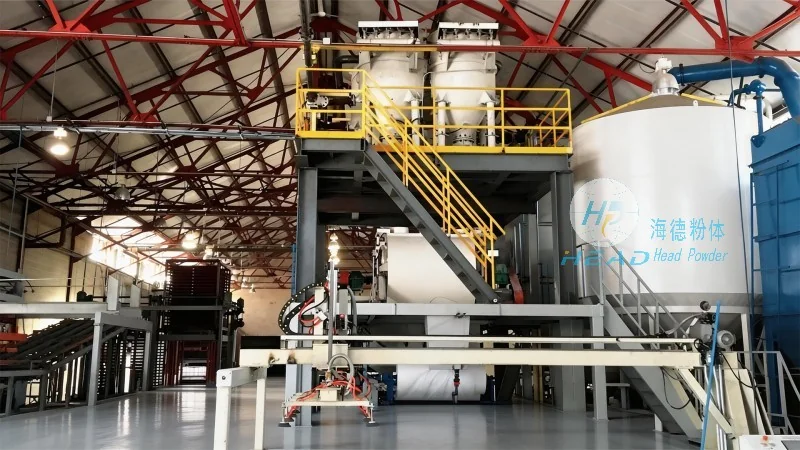
The functionality of low-pressure material conveying lines relies on a series of interconnected components, each serving a specific purpose in the material transport process. The feed hopper is the initial component, responsible for holding and feeding the material into the conveyor system. It is typically designed with a sloped bottom to facilitate smooth material flow and prevent clogging. The conveyor mechanism itself is the core of the system, which may take the form of a screw conveyor, belt conveyor, or pneumatic pipeline. A screw conveyor, for instance, uses rotating helical screws to push material forward, while a pneumatic conveyor utilizes compressed air to transport material through a sealed pipeline. The discharge mechanism, located at the end of the line, collects the material as it exits the conveyor and directs it to the next stage of processing or storage. Each component must be properly aligned and maintained to ensure optimal performance and prevent material loss or system failure.
Working Principle Explained
The working principle of low-pressure material conveying lines is based on the fundamental physics of material movement under low pressure. For screw conveyors, the rotating screws create a pushing action that moves material along the conveyor's axis. The pitch and diameter of the screws are carefully selected to match the material's properties, such as density and flowability, to ensure efficient transport without excessive pressure buildup. In pneumatic conveying systems, compressed air is introduced into the pipeline, creating a flow that carries the material particles through the system. The air velocity is controlled to maintain a stable flow rate, preventing material settling or blockages. The low-pressure design minimizes the risk of material degradation, as it avoids high shear forces or temperature changes that could affect the material's quality. This is particularly important in industries like food and pharmaceuticals, where product integrity is paramount.

Operation Process Step-by-Step
The operation of a low-pressure material conveying line follows a systematic process that ensures consistent and reliable material transport. The process begins with material loading into the feed hopper. The hopper is typically equipped with a level indicator to monitor the material volume, allowing operators to adjust the feed rate as needed. Once the material is loaded, the conveyor mechanism is activated, either by an electric motor or a pneumatic driver. The motor drives the screw or belt, causing the material to move from the feed point to the discharge point. During the transport process, sensors may be used to monitor the flow rate and pressure, providing real-time feedback to the control system. If any issues arise, such as a blockage or low material level, the system can automatically adjust or alert operators. The material exits the discharge mechanism and is collected in a container or directly transferred to the next processing unit. The entire operation is designed to be continuous, with minimal downtime, and can be integrated with other industrial equipment for seamless workflow.

Applications and Industry Benefits
Low-pressure material conveying lines find extensive applications across a wide range of industries, including food processing, pharmaceutical manufacturing, chemical production, and mining. In the food industry, these systems are used to transport ingredients like flour, sugar, and spices, ensuring they are handled gently and without contamination. In pharmaceuticals, they are employed to convey active ingredients and excipients, maintaining the purity and stability of the products. In chemical plants, they transport powders and granules, preventing dust emissions and ensuring safe handling. The benefits of low-pressure conveying systems extend beyond material handling, as they also contribute to energy savings and reduced operational costs. By minimizing the need for high-pressure equipment or vacuum systems, these lines reduce energy consumption and maintenance requirements. Additionally, their simple design makes them easy to install and integrate into existing industrial setups, providing a cost-effective solution for many applications.
Company Overview: Shandong HeadPowder Engineering Co., Ltd.
Shandong HeadPowder Engineering Co., Ltd., commonly known as HeadPowder, is a prominent enterprise specializing in the design, manufacturing, and supply of low-pressure material conveying systems. HeadPowder has established itself as a trusted provider of industrial solutions, with a strong commitment to innovation and customer satisfaction. The company's headquarters is located in Shandong, China, a region known for its industrial manufacturing capabilities. HeadPowder's team of engineers and technicians leverages advanced technology and years of experience to develop customized conveying solutions that meet the unique requirements of each client. The company's product line includes a variety of low-pressure conveying systems, such as screw conveyors, pneumatic conveyors, and belt conveyors, each designed to handle different material types and operational conditions. HeadPowder places a high priority on quality control, ensuring that all products meet international standards and are tested for performance and durability. The company also offers after-sales support, including maintenance services and technical assistance, to ensure that clients can maximize the lifespan and efficiency of their conveying systems. With a focus on continuous improvement and customer-centric approach, HeadPowder aims to be a leading player in the global material handling industry.




