Acrylic ester rubber material conveying equipment is a specialized industrial solution designed to handle and transport materials that require high resistance to chemicals, temperature variations, and mechanical stress. The equipment is engineered with components that ensure efficient and reliable operation, making it suitable for diverse industrial applications. This article provides an in-depth look at the operation process and working principles of such equipment, highlighting the key factors that contribute to its performance and effectiveness.

Company Background and Expertise
HeadPowder, a leading manufacturer in the field, specializes in the design and production of advanced material handling solutions. With its headquarters in Shandong, China, the company leverages decades of industry experience to develop equipment tailored to meet the specific needs of various sectors. The company's commitment to quality and innovation ensures that its products, including acrylic ester rubber conveying equipment, are built to withstand rigorous operational conditions and deliver consistent performance.
Overview of Acrylic Ester Rubber Conveying Equipment
Acrylic ester rubber is a type of synthetic rubber known for its excellent resistance to oil, fuel, and various chemicals, as well as its ability to maintain flexibility over a wide temperature range. This material is ideal for conveying abrasive or corrosive materials, making the equipment a critical component in industries like petrochemical, automotive, and manufacturing. The equipment typically consists of a robust housing, a drive system, and a flexible or rigid conveyor belt made from acrylic ester rubber, all designed to work in harmony to facilitate material transport.
Operation Process: Step-by-Step Breakdown
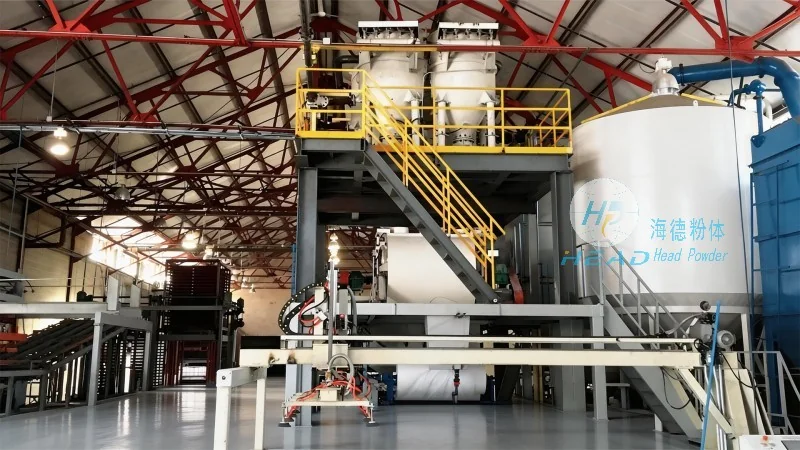
The operation of acrylic ester rubber material conveying equipment involves several key steps that ensure smooth and continuous material handling. The process begins with the loading of materials into the inlet hopper or feed mechanism. From there, the materials are transferred to the conveyor belt, which is driven by an electric motor or other power source. The belt moves the materials along the designated path, often through a series of rollers or guides that maintain alignment and prevent material spillage. At the discharge end, the materials are released into a collection container or further processing unit. Throughout this process, the equipment's control system monitors parameters such as speed, pressure, and temperature to ensure optimal performance and prevent damage to the materials or the equipment itself.
Working Principle: Mechanical and Material Science Foundations
The working principle of acrylic ester rubber conveying equipment is rooted in the interaction between mechanical components and the unique properties of acrylic ester rubber. The drive system, which may include a motor, gearbox, and pulleys, provides the necessary force to move the conveyor belt. The belt, made from acrylic ester rubber, is chosen for its chemical resistance and flexibility, allowing it to withstand the handling of harsh materials without degradation. The housing and support structures are designed to protect the internal components from external elements and to maintain the integrity of the material being conveyed. The entire system operates based on the principles of friction and tension, ensuring that the materials are moved efficiently and safely from the input to the output point.
Key Components and Their Functions
Several critical components contribute to the effective operation of acrylic ester rubber material conveying equipment. The inlet hopper or feeder is responsible for receiving and feeding materials into the conveyor system. The drive motor and gearbox provide the power needed to rotate the pulleys and move the belt. The conveyor belt, made from acrylic ester rubber, is the primary element that transports the materials. The rollers and guides ensure that the belt remains aligned and that the materials are moved in a controlled manner. The discharge mechanism, such as a chute or outlet, allows the materials to exit the equipment safely. The control panel and sensors monitor the equipment's performance and provide feedback for adjustments, ensuring that the system operates within optimal parameters.

Advantages and Applications
Acrylic ester rubber material conveying equipment offers several advantages that make it a preferred choice in various industries. Its resistance to chemicals and temperature variations allows it to handle materials that would degrade or be damaged by other types of equipment. The flexibility of acrylic ester rubber enables the equipment to handle abrasive or irregularly shaped materials without causing wear or tear. Additionally, the equipment's robust design ensures long-term durability and low maintenance costs. Common applications include the transport of chemicals, fuels, and other industrial materials in petrochemical plants, automotive manufacturing facilities, and food processing industries where hygiene and material integrity are critical.
Maintenance and Operational Considerations
To ensure the longevity and efficiency of acrylic ester rubber material conveying equipment, regular maintenance is essential. This includes checking the condition of the conveyor belt for signs of wear or damage, lubricating moving parts, and inspecting the drive system for proper operation. The equipment should be cleaned regularly to prevent the buildup of materials that could affect performance. Additionally, operators should follow the manufacturer's guidelines for speed and load capacity to avoid overloading the system. By adhering to these maintenance practices, the equipment can continue to operate effectively and provide reliable material transport for years.
Conclusion
Acrylic ester rubber material conveying equipment is a vital component in modern industrial operations, offering a reliable and efficient solution for transporting materials that require specialized handling. The equipment's design, based on the unique properties of acrylic ester rubber and advanced mechanical engineering, ensures that it can withstand harsh conditions and deliver consistent performance. With the expertise of manufacturers like HeadPowder, these systems are tailored to meet the specific needs of various industries, contributing to improved productivity and reduced operational costs. As industrial demands continue to evolve, the importance of such equipment in maintaining operational efficiency and material integrity remains paramount.




