Shandong HeadPowder Engineering Co., Ltd. specializes in the design, manufacturing, and installation of advanced material handling systems tailored for the lysine industry. Our equipment is engineered to ensure efficient, safe, and reliable transportation of lysine raw materials and finished products, meeting the stringent demands of modern industrial production. This article provides a detailed overview of the operating process and working principle of our lysine material handling equipment, highlighting key components, operational sequences, and the technical advantages that contribute to optimal performance.

Key Components of Lysine Material Handling Equipment
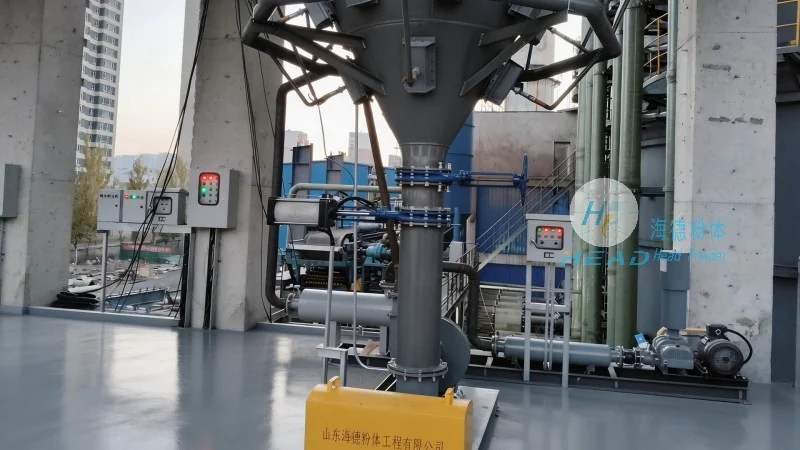
The lysine material handling system typically consists of several integrated components, each playing a critical role in the overall material flow. These components include feeders, conveyors, storage silos, and discharge mechanisms, all designed to work in harmony to facilitate smooth material movement. The feeders are responsible for uniformly distributing the lysine material into the conveyor system, ensuring consistent flow rates and preventing material bridging or clogging. Conveyors, such as belt or screw conveyors, transport the material from one processing stage to another, while storage silos provide temporary storage capacity to buffer production fluctuations and maintain stable material supply. Discharge mechanisms, including rotary valves or gate valves, control the release of material from the silos to downstream processing equipment or packaging lines.

Operating Process of Lysine Material Handling Equipment
The operation of lysine material handling equipment follows a systematic sequence that ensures efficient material movement from receipt to discharge. The process begins with the intake of raw lysine material, which is typically delivered to the facility via bulk trucks or railcars. The material is then transferred to a receiving hopper or silo, where it is stored temporarily. From the storage silo, the material is fed into the conveyor system through a feeder, which regulates the flow rate based on production requirements. The conveyor transports the material to the processing or packaging area, where it is further handled by downstream equipment. The discharge mechanism at the storage silo or conveyor end controls the release of material, ensuring precise and controlled output. Throughout the process, sensors and control systems monitor key parameters such as flow rate, pressure, and level, providing real-time feedback to adjust operations as needed. This closed-loop control system enhances operational efficiency and minimizes downtime, ensuring consistent performance.
Working Principle of Lysine Material Handling Equipment
The working principle of lysine material handling equipment is based on mechanical and pneumatic systems that work together to move material through the processing line. The feeders utilize gravity or mechanical force to distribute material evenly into the conveyor. Belt conveyors rely on rotating drums and tensioned belts to transport material horizontally or at an incline, while screw conveyors use rotating screws to push material forward. Storage silos use pressure or vacuum systems to maintain material flow, with discharge valves controlling the release rate. The control system integrates sensors (e.g., level detectors, flow meters) and actuators (e.g., motor drives, valve operators) to regulate each component's operation. This integrated approach ensures that the equipment operates in a synchronized manner, optimizing energy consumption and reducing wear on components. The design also incorporates safety features, such as emergency stop buttons and overload protection, to safeguard personnel and equipment during operation.
Technical Advantages of Lysine Material Handling Equipment
Our lysine material handling equipment offers several technical advantages that enhance operational performance and reliability. The use of high-quality materials, such as stainless steel and corrosion-resistant alloys, ensures durability and resistance to the chemical properties of lysine, minimizing maintenance requirements. The modular design allows for easy integration with existing production lines and future expansion, providing flexibility for growing businesses. Advanced control systems enable precise monitoring and adjustment of material flow, reducing waste and improving product quality. Additionally, the equipment is designed for low maintenance, with easy access to components for inspection and repair, reducing downtime and operational costs. These features collectively contribute to a cost-effective and efficient material handling solution for the lysine industry.

Conclusion
Shandong HeadPowder Engineering Co., Ltd. provides comprehensive lysine material handling solutions that combine advanced technology with robust engineering. Our equipment is designed to meet the specific needs of the lysine industry, ensuring efficient material movement, high reliability, and minimal downtime. By understanding the operating process and working principle of our equipment, users can optimize their production lines and enhance overall operational efficiency. For more information on our lysine material handling equipment, please contact us at Shandong HeadPowder Engineering Co., Ltd., located in Shandong, China.




