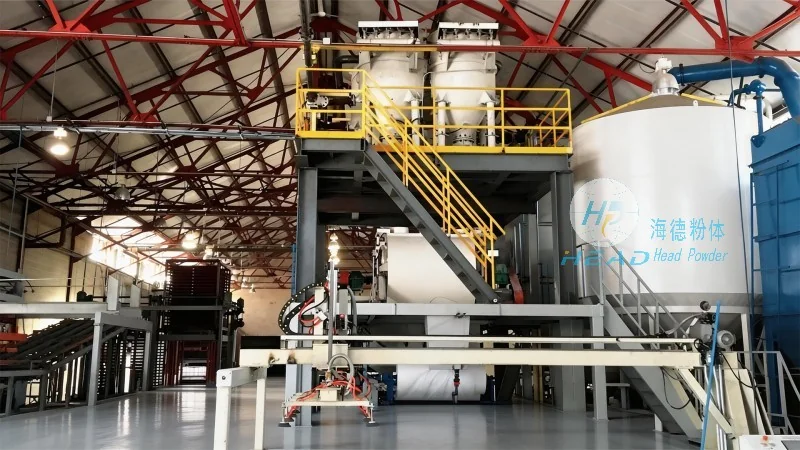
Shandong HeadPowder Engineering Co., Ltd. specializes in the design, manufacturing, and supply of advanced mineral granular material conveying equipment. These systems are engineered to efficiently transport bulk materials such as minerals, ores, and other granular substances in industrial settings. The equipment plays a crucial role in enhancing operational efficiency, reducing labor costs, and ensuring consistent material flow in various processing plants.

Key Components and Their Functions
The mineral granular material conveying equipment typically consists of several core components that work in tandem to achieve effective material transport. These components include feed hoppers, conveyor belts or chains, drive mechanisms, control systems, and discharge mechanisms. Each component is designed to handle specific tasks, from material intake to final discharge, ensuring smooth and reliable operation.
Operation Process of the Conveying System
The operation process of the mineral granular material conveying equipment begins with the material being fed into the hopper. The feed hopper is equipped with a feeding mechanism, such as a screw feeder or a vibratory feeder, which regulates the flow of material into the conveyor system. Once the material is in the hopper, it is transferred to the conveyor belt or chain through the feeding mechanism. The conveyor system then transports the material along its path, driven by an electric motor or other power source. The drive mechanism, which may include a gearbox and pulleys, provides the necessary torque to move the conveyor at a controlled speed. The control system monitors the flow rate, speed, and other parameters to maintain optimal performance. Finally, the material is discharged at the end of the conveyor, ready for further processing or storage.

Working Principle of the Equipment
The working principle of the mineral granular material conveying equipment is based on mechanical energy conversion and material handling. The system utilizes a combination of gravity, friction, and mechanical force to move the granular material from the inlet to the outlet. The conveyor belt or chain provides a continuous path for the material, while the drive mechanism ensures consistent movement. The control system adjusts the speed and tension of the conveyor to prevent material spillage and ensure smooth transport. The entire process is designed to minimize energy consumption and maximize material throughput, making it an efficient solution for bulk material handling in industrial applications.
Advantages of Using Mineral Granular Material Conveying Equipment
Implementing mineral granular material conveying equipment offers several advantages for industrial operations. Firstly, it significantly improves material handling efficiency by automating the transport process, reducing the need for manual labor. Secondly, the equipment ensures consistent material flow, which helps maintain production line stability and quality control. Thirdly, the system reduces material loss and contamination, as the enclosed design prevents dust and debris from escaping. Additionally, the equipment is designed for durability and low maintenance, reducing long-term operational costs. These benefits make it an essential component in modern mineral processing and material handling industries.
Application Scenarios
Mineral granular material conveying equipment is widely used in various industrial sectors, including mining, cement production, chemical processing, and food processing. In mining operations, it is used to transport ores and minerals from the extraction site to processing facilities. In cement plants, it handles raw materials such as limestone and clay. In chemical processing, it transports bulk chemicals and reagents. In food processing, it handles grains, powders, and other food products. The versatility of the equipment makes it suitable for a wide range of applications, ensuring efficient material transport in diverse industrial environments.
Maintenance and Operational Tips
To ensure the optimal performance and longevity of the mineral granular material conveying equipment, regular maintenance is essential. This includes checking the conveyor belt tension, inspecting the drive mechanism for wear and tear, and cleaning the hopper and discharge area to prevent material buildup. Additionally, monitoring the control system for any anomalies and performing routine lubrication of moving parts can help prevent breakdowns and extend the equipment's lifespan. Proper training of operators on the equipment's operation and safety procedures is also crucial to maintain safe and efficient operation. By following these maintenance and operational tips, users can maximize the equipment's efficiency and minimize downtime.




