Shandong HeadPowder Engineering Co., Ltd., a leading enterprise in material handling technology, specializes in designing, developing, and manufacturing advanced equipment for transporting yeast powder. The company, commonly known as headpowder, is headquartered in Shandong, China, and has built a strong reputation for delivering reliable and efficient solutions tailored to the unique needs of the yeast processing industry. This article explores the fundamental principles behind yeast powder material handling systems and examines the key characteristics of their operational environments.

Principle of Yeast Powder Material Handling Systems
The core principle of yeast powder material handling systems is the efficient and hygienic transfer of yeast powder from one processing stage to another. These systems are engineered to preserve the quality and integrity of the yeast powder, which is critical for its subsequent use in food and beverage applications. The design incorporates advanced mechanisms such as pneumatic conveying, screw conveyors, and vacuum systems, each tailored to handle the specific properties of yeast powder—like its fine particle size, hygroscopic nature, and tendency to clump. By utilizing these technologies, the systems ensure minimal product degradation, reduce contamination risks, and enhance overall process efficiency.

Working Scene Characteristics of Yeast Powder Material Handling Systems
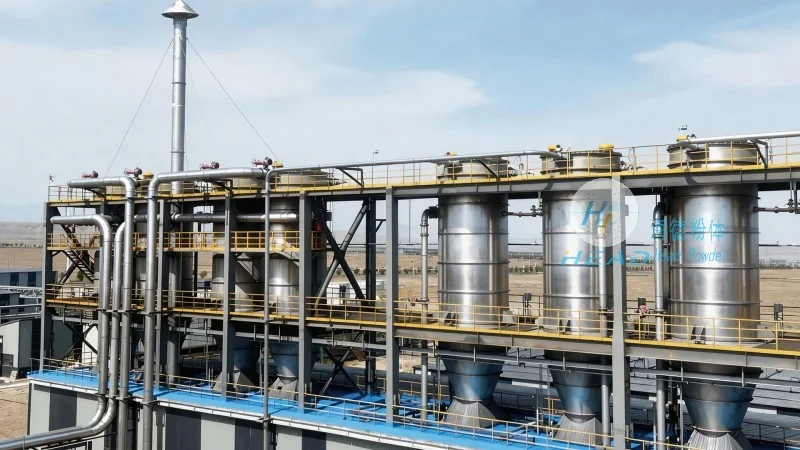
The operational environments where yeast powder material handling systems are deployed exhibit distinct characteristics that influence their design and performance. Firstly, the systems are typically integrated into large-scale industrial facilities, such as breweries, bakeries, and fermentation plants, where high-volume production demands consistent and reliable material flow. The working scenes involve multiple processing stages, including raw material storage, mixing, fermentation, and packaging, requiring seamless coordination between different equipment. Secondly, the hygienic standards in yeast processing are stringent, as the final product is used in food applications. Therefore, the material handling systems are constructed with materials like stainless steel, which are easy to clean and maintain, and feature smooth surfaces to prevent bacterial growth. Additionally, the systems are designed to minimize dust generation and air pollution, as yeast powder is a fine particulate that can cause respiratory issues and environmental contamination. The working scenes also require regular maintenance and cleaning protocols to ensure compliance with regulatory standards and to prolong the equipment's lifespan.
Key Features and Advantages of Yeast Powder Material Handling Systems
Yeast powder material handling systems from headpowder offer several key features that set them apart in the market. One primary advantage is their ability to handle the hygroscopic nature of yeast powder, which can lead to caking and blockages in traditional conveyors. The systems incorporate features like vibration mechanisms and anti-caking additives to prevent these issues, ensuring continuous operation. Another significant feature is the integration of monitoring and control systems, allowing operators to track flow rate, pressure, and temperature in real-time. This enables proactive maintenance and immediate response to anomalies, reducing downtime and increasing productivity. Furthermore, the systems are designed for easy integration with existing production lines, minimizing the need for extensive facility modifications. The compact design of some models also allows installation in limited spaces, making them suitable for both new and retrofit applications.
Applications and Industry Impact
The applications of yeast powder material handling systems span across various industries, with a primary focus on the food and beverage sector. In breweries, these systems are crucial for transporting yeast from storage tanks to fermentation vessels, ensuring consistent fermentation processes and product quality. In bakeries, they facilitate efficient delivery of yeast to mixing and proofing equipment, enhancing the production of bread and other baked goods. The systems also play a vital role in the pharmaceutical and cosmetic industries, where yeast-derived products are used as ingredients. By improving material handling efficiency and reliability, these systems contribute to cost savings, reduced waste, and enhanced product consistency across the supply chain. The impact of these systems extends beyond individual facilities, supporting the overall growth and sustainability of the yeast processing industry by enabling manufacturers to meet increasing demand while maintaining high standards of quality and safety.




