Shandong HeadPowder Engineering Co., Ltd., a leading enterprise in the field of material handling technology, specializes in the design, manufacturing, and supply of advanced dye material conveying systems. The company, commonly known as HeadPowder, is headquartered in Shandong, China, and has established a strong reputation for delivering high-efficiency, reliable, and customized solutions tailored to the specific needs of the dye industry. This article provides an in-depth exploration of the principles underlying these systems and highlights the key characteristics of their operational scenarios.

Core Principles of Dye Material Conveying Systems
The fundamental principle of dye material conveying systems is to efficiently transport bulk or powdered dye materials from one location to another within industrial facilities. These systems are engineered to handle the unique properties of dye powders, such as their fine particle size, potential for static electricity, and varying moisture content. The core components typically include feed hoppers, conveyor mechanisms (e.g., screw conveyors, belt conveyors, or pneumatic systems), control panels, and safety features. The design of these systems prioritizes material flow optimization, ensuring minimal product degradation, consistent delivery rates, and adherence to safety standards. For instance, screw conveyors are widely used for their ability to handle dry, free-flowing dye powders without the need for external power sources, while pneumatic conveying systems are preferred for transporting fine powders over longer distances with reduced risk of contamination.

Working Scene Characteristics of Dye Material Conveying Systems
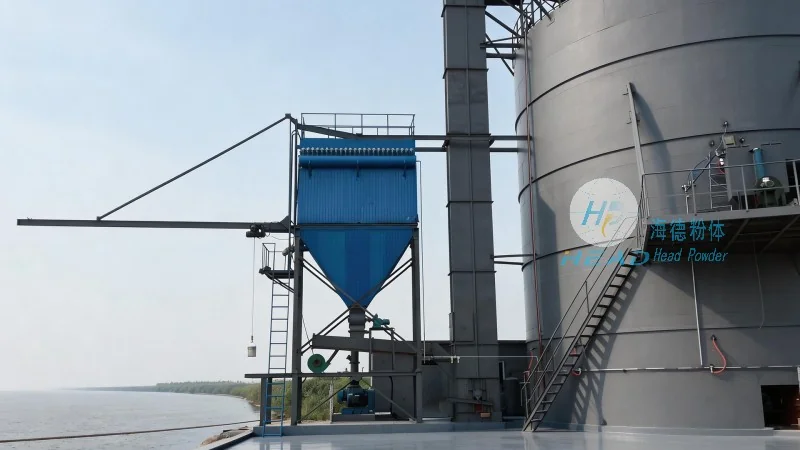
The operational scenarios of dye material conveying systems vary significantly based on the specific application and the scale of the industrial process. In large-scale dye manufacturing plants, these systems are often integrated into automated production lines, where they play a critical role in maintaining continuous material flow from raw material storage to processing units. For example, in a typical dye production facility, the system may start with a bulk storage silo, where dye powders are stored under controlled conditions to prevent caking or moisture absorption. From there, the material is transferred via a screw conveyor to a mixing or grinding unit, where it is further processed before being sent to a packaging line. The key characteristics of these working scenes include high throughput rates, precise control over material flow, and the ability to handle varying material properties without compromising system performance. Additionally, the systems are designed to be adaptable to different production volumes, allowing manufacturers to scale operations up or down as needed. In smaller-scale applications, such as in dyeing workshops or small-scale manufacturing units, the conveying systems may be more compact and simpler in design, focusing on efficient material transfer for localized processes. Regardless of the scale, the consistent performance and reliability of these systems are essential for maintaining production efficiency and product quality.
Key Features and Advantages in Practical Applications
When evaluating dye material conveying systems, several key features and advantages stand out in real-world applications. Firstly, the systems are designed with material compatibility in mind, ensuring that they can handle a wide range of dye types without causing contamination or degradation. This is particularly important in industries where product purity is critical, as even minor impurities can affect the final color quality of the dye. Secondly, the systems incorporate advanced control technologies, such as variable frequency drives (VFDs) and programmable logic controllers (PLCs), which allow for precise control over conveyor speed and material flow. This not only enhances operational efficiency but also reduces energy consumption by matching the system output to the actual demand. Thirdly, safety features are integrated into the design to protect operators and prevent accidents. For example, emergency stop buttons, overload protection, and dust containment systems are standard components, ensuring compliance with industrial safety regulations. Furthermore, the systems are built for durability and low maintenance, with robust construction materials and easy-to-clean components that minimize downtime and operational costs. These features collectively contribute to the overall effectiveness of the dye material conveying systems, making them indispensable in modern dye production and processing operations.




