Shandong HeadPowder Engineering Co., Ltd. specializes in the design, manufacturing, and implementation of advanced dry powder material handling systems. With a focus on efficient and reliable solutions, the company serves a wide range of industries, including chemical processing, food and beverage, pharmaceuticals, and more. This article explores the fundamental principles behind dry powder material transport and highlights the key operational characteristics of such systems in various working scenarios.
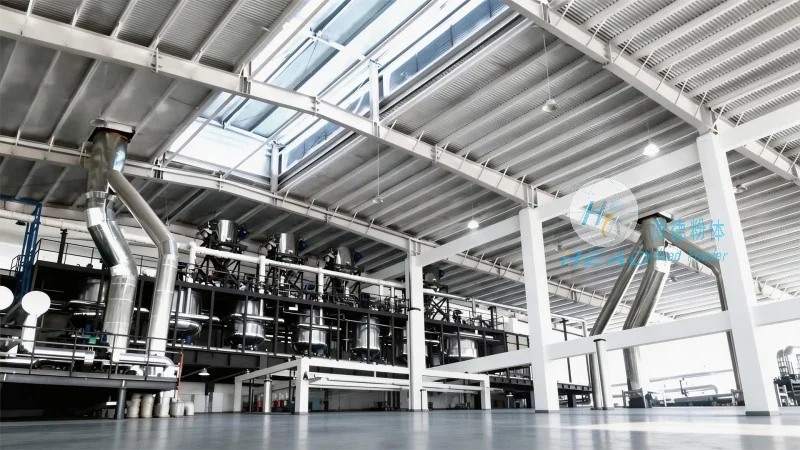
Core Principles of Dry Powder Material Handling
Dry powder material handling relies on several core principles to ensure the safe and efficient movement of powders from one location to another. The primary methods include pneumatic conveying, mechanical conveying, and hybrid systems. Pneumatic conveying uses air or other gases to transport powders through a pipeline, while mechanical conveying employs equipment like conveyors, elevators, and screw feeders. Hybrid systems combine both approaches to optimize performance based on the specific characteristics of the powder and the application requirements.
Key principles include maintaining proper flow rates, controlling particle size and density, and ensuring consistent air pressure or mechanical force. These factors directly impact the system's efficiency, energy consumption, and the risk of material degradation or blockages. For example, in pneumatic systems, the velocity of the conveying air must be sufficient to prevent particle settling but not so high as to cause excessive wear on equipment or energy waste. In mechanical systems, the design of the conveyor components, such as the pitch and speed of screw conveyors, must be tailored to the powder's bulk density and flow properties.
Working Scenario Characteristics in Industrial Applications
Dry powder material handling systems are deployed in diverse industrial settings, each with unique characteristics that influence system design and operation. In chemical processing plants, for instance, systems must handle a wide variety of powders, from fine chemicals to bulk raw materials, often under strict quality and safety regulations. The presence of hazardous materials or sensitive products requires robust sealing and contamination control measures, ensuring that the system maintains product integrity and operator safety.

In the food and beverage industry, systems must adhere to stringent hygiene standards and meet regulatory requirements for food contact surfaces. This often involves the use of stainless steel components, easy-to-clean designs, and air filtration systems to prevent cross-contamination. The handling of powders like flour, sugar, or spices demands precise control over moisture content and temperature to avoid caking or spoilage, which directly impacts product quality and shelf life.
Pharmaceutical manufacturing presents additional challenges due to the need for sterile and contamination-free environments. Dry powder handling systems in this sector must incorporate features like closed-loop conveying, HEPA filtration, and automated cleaning processes. The system's design must also consider the delicate nature of pharmaceutical powders, which may be sensitive to moisture, temperature fluctuations, or mechanical stress. Ensuring compliance with Good Manufacturing Practices (GMP) is critical, as any deviation can lead to product recalls or regulatory penalties.
In the mining and minerals processing industry, systems are designed to handle large volumes of bulk powders, such as ores or minerals. The focus here is on durability and high throughput, with considerations for abrasive materials that can cause wear on conveyor components. The ability to handle varying particle sizes and moisture content is essential, as these factors can affect the system's efficiency and longevity. Additionally, the need for cost-effective solutions often drives the use of robust, low-maintenance equipment.
Key Operational Considerations for Optimal Performance
Regardless of the industry or application, several operational considerations are crucial for the effective and reliable operation of dry powder material handling systems. Proper system sizing is a primary factor, as under-sizing can lead to blockages and reduced efficiency, while over-sizing increases energy costs and equipment complexity. The selection of the appropriate conveying method depends on factors like powder characteristics, distance, and budget constraints.

Regular maintenance and monitoring are essential to prevent system failures and ensure long-term performance. This includes routine checks of air filters, conveyor components, and pressure systems. Real-time monitoring tools, such as flow meters and pressure sensors, can provide early warnings of potential issues, allowing for timely intervention and minimizing downtime. Additionally, training operators on proper system operation and maintenance procedures is vital to maximize system efficiency and extend equipment life.
Environmental factors also play a role in system performance, particularly in outdoor or industrial settings. Dust control measures, such as dust collection systems and enclosures, are necessary to comply with environmental regulations and protect the surrounding environment. The design of the system must account for local climate conditions, such as temperature fluctuations or humidity, which can affect powder flow and system efficiency.
Conclusion
Shandong HeadPowder Engineering Co., Ltd. provides comprehensive solutions for dry powder material handling, leveraging advanced principles and tailored designs to meet the diverse needs of various industries. By understanding the core principles of material transport and the specific characteristics of different working scenarios, companies can optimize their operations, improve efficiency, and ensure product quality and safety. The company's expertise in system design, manufacturing, and implementation ensures that clients receive reliable, efficient, and cost-effective solutions for their dry powder handling needs.




