Calcite, a common calcium carbonate mineral, is widely used in various industrial applications such as construction, pharmaceuticals, and chemical manufacturing. Efficient and reliable material handling is crucial for optimizing production lines, and pneumatic conveying systems offer a solution for transporting calcite powders and granules with precision and control. This article explores the operation process and working principle of calcite material pneumatic conveying, highlighting the key components, operational steps, and technical aspects that ensure smooth and effective material transport.

Introduction to Calcite Material Pneumatic Conveying
Calcite material pneumatic conveying systems are designed to transport calcite powders or granules through a pipeline using a gas stream, typically air or a mixture of air and other gases. These systems are preferred in industries where dust control, contamination prevention, and flexibility in material handling are essential. The technology allows for the safe and efficient movement of calcite from storage silos, processing units, or production lines to the next stage of the manufacturing process. The system's design and operation are tailored to handle the specific properties of calcite, such as its particle size, density, and flow characteristics, ensuring optimal performance and minimal operational issues.
Key Components of a Calcite Pneumatic Conveying System
A typical calcite pneumatic conveying system consists of several critical components that work in tandem to achieve effective material transport. These components include the material feed system, the conveying line, the air supply system, and the control and monitoring equipment. The material feed system, often a hopper or a rotary valve, ensures a consistent and controlled flow of calcite into the system. The conveying line, made of materials resistant to calcite's chemical properties, such as stainless steel or specialized plastics, carries the material and air mixture. The air supply system, which may include a blower or a compressor, generates the necessary pressure and flow rate to move the calcite particles through the pipeline. Control and monitoring equipment, such as pressure sensors, flow meters, and control valves, regulate the system's operation and provide real-time feedback on performance, enabling operators to adjust parameters as needed to maintain optimal conveying conditions.

The Operation Process of Calcite Pneumatic Conveying
The operation process of a calcite pneumatic conveying system involves several sequential steps that ensure the material is transported efficiently and safely. The process begins with the material being fed from a storage silo or hopper into the feed system. The feed system then meters the calcite into the conveying line at a controlled rate. Simultaneously, the air supply system generates the required airflow, which is introduced into the conveying line at a specific pressure and velocity. As the air flows through the pipeline, it entrains the calcite particles, creating a slurry-like mixture that moves through the system. The conveying line may include bends, expansions, or other components that guide the material and air mixture to the destination point, such as a processing unit or a storage silo. At the receiving end, the system may use a separator or a cyclone to separate the calcite particles from the air stream, allowing the calcite to be deposited in the target container while the air is either recirculated or discharged. The entire process is typically automated, with control systems monitoring and adjusting parameters to maintain consistent performance and prevent issues like blockages or pressure drops.
Working Principle of Pneumatic Conveying for Calcite
The working principle of pneumatic conveying for calcite relies on the fundamental concept of fluidization and particle suspension. When air is introduced into the conveying line at a sufficient velocity, it creates a low-pressure zone that entrains the calcite particles, lifting them off the pipeline walls and keeping them suspended in the air stream. The velocity of the air must be high enough to overcome the gravitational force acting on the particles and to maintain their suspension throughout the conveying process. The pressure and flow rate of the air are carefully controlled to ensure that the particles do not settle or cause blockages in the pipeline. The system's design, including the size and shape of the conveying line, the angle of bends, and the type of feed and discharge equipment, all contribute to the effective suspension and transport of calcite particles. Additionally, the properties of calcite, such as its density and particle size distribution, influence the optimal air velocity and pressure required for efficient conveying. By understanding these principles, engineers can design and operate pneumatic conveying systems that maximize the efficiency and reliability of calcite material transport.
Benefits and Considerations for Calcite Pneumatic Conveying
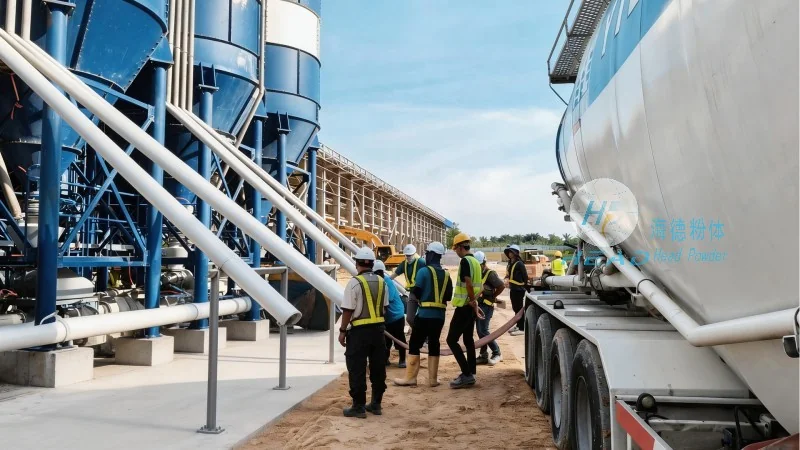
Calcite pneumatic conveying systems offer several benefits that make them an attractive choice for industrial applications. These benefits include dust-free operation, which reduces health hazards and environmental contamination; the ability to handle calcite in a closed system, preventing material loss and contamination; and flexibility in transporting calcite to various locations within a facility. Additionally, pneumatic conveying systems can be integrated with other processing equipment, such as mixers or reactors, to create a seamless production line. However, there are also considerations to keep in mind when implementing such systems. The cost of equipment and installation can be higher compared to other material handling methods, and the system requires regular maintenance to ensure optimal performance. Furthermore, the design must account for the specific properties of calcite, such as its tendency to agglomerate or its sensitivity to moisture, to prevent operational issues. Proper sizing of the conveying line, air supply, and control systems is crucial to avoid problems like pressure drops, blockages, or excessive energy consumption. By addressing these considerations, companies can maximize the benefits of calcite pneumatic conveying and ensure long-term operational efficiency.
Conclusion
In conclusion, calcite material pneumatic conveying is a sophisticated and effective method for transporting calcite powders and granules in industrial settings. The operation process involves a series of coordinated steps, from material feeding to air supply and conveying, all managed by control systems to ensure consistent performance. The working principle relies on the suspension of calcite particles in an air stream, which is achieved through careful control of air velocity and pressure. The benefits of this technology, including dust control and flexibility, make it a valuable asset for industries that rely on calcite in their production processes. By understanding the key components, operation process, and working principles of calcite pneumatic conveying, companies can optimize their material handling systems and improve overall production efficiency. As technology advances, further refinements in system design and control will likely enhance the performance and reliability of calcite pneumatic conveying, making it an even more attractive option for industrial applications.




