HeadPowder, a leading provider in the field of material handling solutions, specializes in the design, manufacturing, and implementation of pneumatic conveying systems for limestone and powder materials. This article delves into the operational process and underlying principles of such systems, offering a comprehensive understanding for professionals in the industry.
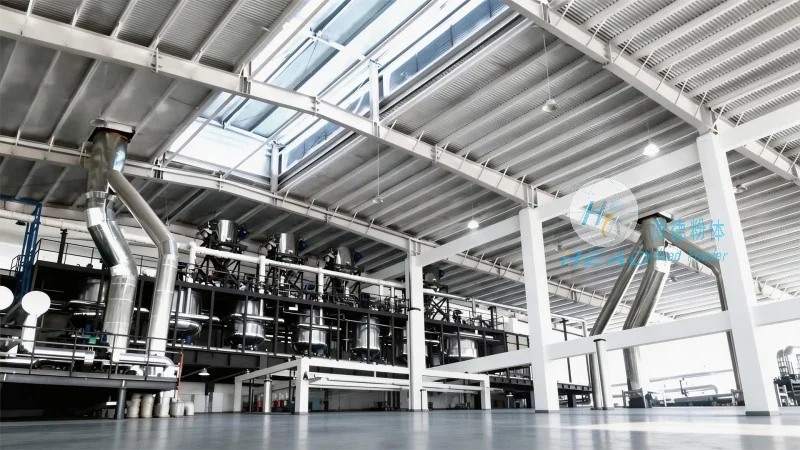
Introduction to Pneumatic Conveying Systems
Pneumatic conveying is a critical technology used to transport bulk materials like limestone and various powders over short to medium distances. Unlike traditional mechanical systems, which rely on belts, buckets, or screws, pneumatic systems utilize air pressure to move materials through pipelines. This method is particularly advantageous for materials that are dusty, abrasive, or require a dust-free environment, making it ideal for applications in construction, mining, and chemical processing.
Key Components of a Pneumatic Conveying System
The efficiency and reliability of a pneumatic conveying system depend on several key components working in harmony. These include the material feed hopper, which stores and regulates the flow of limestone or powder; the air compressor, which generates the necessary air pressure; the conveying line, typically made of metal or plastic, that transports the material; and the discharge hopper or collection tank, where the material is deposited at the destination. Additionally, control valves and filters are essential for maintaining system pressure and preventing material buildup or contamination.

The Operational Process of Pneumatic Conveying
The operation of a pneumatic conveying system for limestone and powder materials involves a sequential process that ensures smooth material transport. The process begins with the material being fed into the hopper from a storage silo or batch container. A feeder, such as a rotary valve or screw feeder, then controls the flow rate, ensuring a consistent supply to the system. Simultaneously, the air compressor starts, generating high-pressure air that is directed into the conveying line. The air and material mixture travels through the pipeline, with the air pressure maintaining the material in suspension. At the receiving end, the material is separated from the air, often through a cyclone separator or a filter, and collected in the discharge hopper. The separated air is then returned to the system or released, completing the cycle.
Working Principle: Air Pressure and Material Suspension
The core principle of pneumatic conveying is the use of air pressure to create a flow that suspends and transports the material. When air is introduced into the conveying line at a high velocity, it creates a pressure differential that draws the material into the pipeline. The material particles are kept in suspension by the air flow, preventing them from settling or clogging the system. This principle is particularly effective for fine powders and granular materials like limestone, as the air flow can maintain a stable mixture even at varying flow rates. The system's efficiency is further enhanced by the design of the conveying line, which minimizes friction and pressure losses, ensuring that the material reaches its destination with minimal degradation or loss.
Advantages of Pneumatic Conveying for Limestone and Powder Materials
Implementing pneumatic conveying systems for limestone and powder materials offers numerous benefits that make it a preferred choice over traditional methods. One of the primary advantages is the ability to transport materials in a dust-free environment, which is crucial for maintaining workplace safety and compliance with environmental regulations. Unlike mechanical systems that generate dust and require additional dust control measures, pneumatic systems contain the material within the pipeline, reducing airborne particulates. Additionally, pneumatic conveying is more flexible in terms of layout, as it can be installed in various configurations, including vertical, horizontal, or a combination of both, to suit the specific requirements of a facility. The system also allows for easy integration with other processing equipment, such as mixers or classifiers, enabling seamless material handling throughout the production process.

Applications and Industries
Pneumatic conveying systems are widely used across various industries that handle limestone and powder materials. In the construction industry, these systems are essential for transporting limestone used in cement production, ensuring a continuous and efficient supply of raw materials. The mining sector also relies on pneumatic conveying for transporting ore and other minerals from processing plants to storage facilities or for further processing. In the chemical industry, pneumatic systems are used to handle powders like limestone for flue gas desulfurization or as a raw material in chemical reactions. Additionally, food processing and pharmaceutical industries benefit from the hygienic and dust-free nature of pneumatic conveying, as it maintains the purity of sensitive materials.
Maintenance and Operational Considerations
To ensure the longevity and optimal performance of pneumatic conveying systems, regular maintenance is essential. This includes checking the air compressor for proper operation, inspecting the conveying line for any signs of wear or blockages, and cleaning the filters and cyclone separators to prevent material buildup. Additionally, monitoring the system's pressure and flow rates helps identify any issues early, preventing downtime or material loss. Proper training of operators on the system's operation and maintenance is also crucial for ensuring safe and efficient operation. By adhering to these practices, companies can maximize the lifespan of their pneumatic conveying systems and maintain consistent material transport.




