HeadPowder, a leading manufacturer based in Shandong, China, specializes in the design and production of advanced pneumatic conveying systems. This article delves into the operational principles and typical application scenarios of small bag quantitative weighing material pneumatic conveying machines, highlighting their efficiency and versatility in material handling processes.

Understanding the Core Principle of Small Bag Quantitative Weighing Pneumatic Conveying
The small bag quantitative weighing material pneumatic conveying machine operates on the principle of pneumatic transport, where materials are conveyed through a closed pipeline system using air or gas as the medium. The system typically integrates a hopper for material storage, a weighing scale to ensure precise quantity control, and a pneumatic conveying unit that transports the material from the storage area to the discharge point. The quantitative weighing mechanism ensures that the exact amount of material is delivered per bag, enhancing accuracy and reducing waste in industrial applications. This technology combines the benefits of pneumatic conveying—such as non-contact material handling and flexibility—with the precision of weight-based measurement, making it ideal for applications requiring strict dosage control.
Key Components and Their Functions
Several critical components work in tandem to ensure the efficient operation of the small bag quantitative weighing material pneumatic conveying machine. The hopper serves as the primary storage vessel, holding the bulk material ready for processing. A rotary valve or feeder is often used to regulate the flow of material from the hopper into the weighing scale, ensuring a controlled and consistent feed rate. The weighing scale, equipped with high-precision sensors, measures the mass of material entering the pneumatic conveying system, allowing for real-time adjustments to maintain the desired quantity per bag. The pneumatic conveying unit, which may include a blower or compressor, generates the necessary air pressure to move the material through the pipeline. The discharge valve or outlet controls the release of material from the conveying system into the receiving container or bagging unit. Each component is designed to work seamlessly, minimizing downtime and maximizing productivity in material handling operations.
Working Scene Characteristics and Application Scenarios
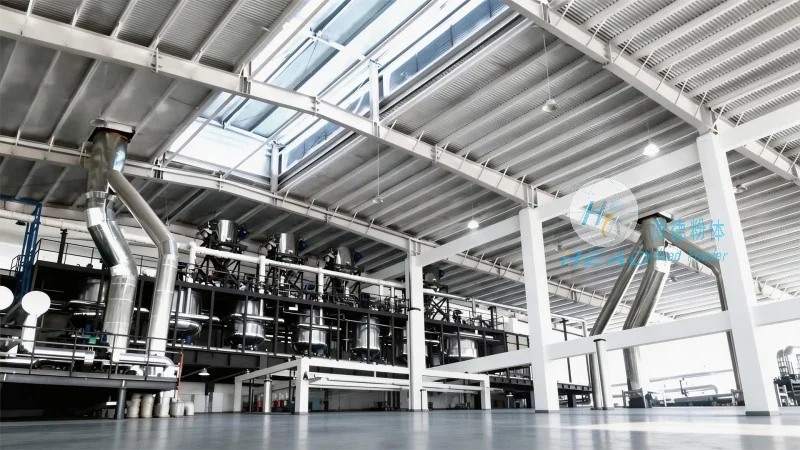
The small bag quantitative weighing material pneumatic conveying machine is particularly suited for industries that require precise material dosing and efficient bulk material handling. Common application scenarios include pharmaceutical manufacturing, where accurate dosing of active ingredients is critical for product quality and safety; food processing, where consistent ingredient quantities are essential for maintaining product standards and regulatory compliance; and chemical production, where controlled material transfer is necessary to prevent contamination and ensure process stability. In these industries, the machine's ability to handle a wide range of materials—from powders and granules to fine particles—while maintaining precise weight control makes it a valuable asset. Additionally, the system's compact design and flexible pipeline configuration allow it to be integrated into existing production lines, reducing the need for extensive facility modifications. The working scene characteristics also highlight the machine's adaptability to different production scales, from small-scale batch processing to large-scale continuous operations, making it suitable for both laboratory and industrial settings.

Advantages and Benefits in Industrial Applications
Implementing a small bag quantitative weighing material pneumatic conveying machine offers several advantages that enhance operational efficiency and product quality. One of the primary benefits is the high level of accuracy in material dosing, which reduces material waste and ensures consistent product performance. The non-contact pneumatic conveying method minimizes material degradation and contamination, preserving the integrity of sensitive materials such as pharmaceuticals or food ingredients. The system's automation capabilities reduce the need for manual intervention, improving safety and reducing labor costs. Additionally, the compact and modular design of the machine allows for easy installation and maintenance, minimizing downtime and increasing overall equipment effectiveness. The integration of weighing technology with pneumatic conveying also enables real-time monitoring and control of the material flow, allowing operators to quickly identify and address any deviations in the process. These advantages make the small bag quantitative weighing material pneumatic conveying machine a cost-effective and reliable solution for industries seeking to optimize their material handling processes.




