Ammonium chloride is a widely used chemical compound in various industrial applications, and the efficient handling of its powder form is crucial for maintaining production efficiency and safety. Pneumatic conveying systems have emerged as a reliable solution for transporting ammonium chloride powder from one location to another, offering advantages such as low maintenance costs, minimal product contamination, and the ability to handle large volumes of material. This article explores the fundamental principles behind ammonium chloride powder pneumatic conveying systems and highlights the key characteristics of their operational scenarios.
Understanding the Core Principles of Pneumatic Conveying
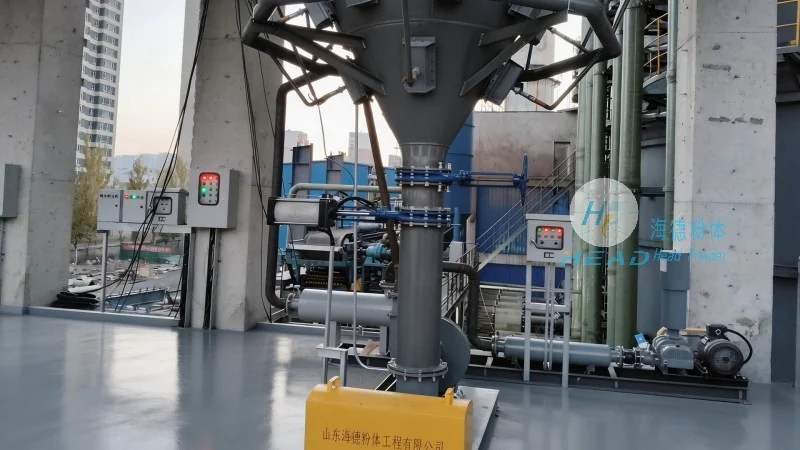
The operation of an ammonium chloride powder pneumatic conveying system is based on the principle of transporting solid particles through a pipeline using a fluid, typically air or gas. The system consists of several key components, including a material feed hopper, a conveyor line, a control valve, and a discharge outlet. The process begins with the material being fed into the hopper, where it is then drawn into the conveyor line by the moving air stream. The air velocity is carefully controlled to ensure that the powder particles are carried along the pipeline without settling or clogging. This method of transport is particularly effective for ammonium chloride because it is a fine powder that can be easily suspended in the air stream, allowing for smooth and continuous movement through the system.

Key Components and Their Functions
Several critical components work together to ensure the efficient operation of an ammonium chloride powder pneumatic conveying system. The material feed hopper is designed to store and feed the powder into the conveyor line, often equipped with a rotary valve or a screw feeder to regulate the flow rate. The conveyor line itself is typically made of stainless steel or other corrosion-resistant materials to prevent contamination and ensure durability. The control valve, usually a butterfly or ball valve, is used to regulate the air flow and pressure within the system, allowing for precise control over the conveying speed and volume. The discharge outlet is where the ammonium chloride powder is released into the next processing stage, such as a storage silo or a mixing tank. Each component plays a vital role in maintaining the system's performance and ensuring the safe handling of the chemical.

Application Characteristics and Operational Scenarios
The characteristics of ammonium chloride powder pneumatic conveying systems make them suitable for a wide range of industrial applications. One of the primary advantages is their ability to handle large quantities of material with minimal labor, as the system can operate continuously without the need for manual handling. This is particularly beneficial in manufacturing facilities where high production throughput is required. Additionally, the system's enclosed design helps to prevent dust emissions and maintain a clean working environment, which is essential for compliance with environmental regulations. The operational scenarios for these systems vary depending on the specific application, but they generally include applications in fertilizer production, chemical processing, and food processing industries where ammonium chloride is used as a raw material or an intermediate product.
Advantages and Considerations for Ammonium Chloride Handling
When implementing an ammonium chloride powder pneumatic conveying system, several advantages and considerations must be taken into account. The system offers significant cost savings compared to traditional methods of material transport, such as belt conveyors or bucket elevators, due to lower maintenance requirements and reduced labor costs. Furthermore, the enclosed nature of the system minimizes the risk of dust explosions and improves workplace safety. However, the system's performance is highly dependent on the proper selection of air velocity and pressure, as improper settings can lead to material settling or clogging in the pipeline. It is also important to consider the particle size and moisture content of the ammonium chloride powder, as these factors can affect the system's efficiency and require adjustments to the conveying parameters. Overall, the ammonium chloride powder pneumatic conveying system is a highly effective solution for handling this chemical, providing reliable and efficient transport while maintaining safety and environmental standards.

Conclusion
In conclusion, the principles and characteristics of ammonium chloride powder pneumatic conveying systems are well-suited for the efficient and safe handling of this chemical compound. The system's ability to transport large volumes of material with minimal contamination and labor makes it an ideal choice for various industrial applications. By understanding the core components and operational scenarios, manufacturers can optimize their material handling processes and improve overall production efficiency. As the demand for ammonium chloride continues to grow, the adoption of such systems will likely increase, further solidifying their role in the chemical industry.




