Pneumatic conveying equipment is a critical component in the material handling industry, particularly for transporting aggregate materials such as sand, gravel, and crushed stone. These systems utilize air to move bulk materials from one location to another, offering a flexible and efficient solution for various industrial applications. The technology has evolved significantly over the years, with modern systems designed to handle diverse material characteristics while ensuring reliability and low maintenance costs. HeadPowder, a leading manufacturer based in Shandong, China, specializes in providing high-quality pneumatic conveying solutions tailored to the needs of the aggregate industry.

Working Principle of Aggregate Material Pneumatic Conveying Equipment
The core mechanism of pneumatic conveying for aggregate materials involves the use of a compressor or blower to generate airflow within a pipeline. The system typically consists of a hopper for material storage, a feeder to control the flow rate, a conveying line, and a receiver for the discharged material. As material is introduced into the hopper, it is drawn into the conveying line by the moving air stream. The air velocity is maintained at a level sufficient to suspend the particles, allowing them to be transported through the pipeline. The process can be categorized into two main types: dilute phase and dense phase, each with distinct operational characteristics.
In dilute phase systems, the material is suspended in the air stream as individual particles, moving at high velocities. This method is suitable for short to medium distances and materials with good flow properties. Conversely, dense phase systems operate at lower air velocities, where the material forms a plug or slurry within the pipeline, reducing the risk of particle degradation and ensuring a more controlled flow. The choice between these systems depends on factors such as material size, moisture content, and the required distance of transport.
Key Features and Advantages of Pneumatic Conveying Equipment
One of the primary advantages of pneumatic conveying equipment for aggregate materials is its ability to handle materials that are difficult to transport using traditional methods like belt conveyors or bucket elevators. The system is particularly effective for materials with high abrasiveness or those that are prone to dust generation. Additionally, pneumatic conveying offers a closed system, which helps in controlling dust emissions and maintaining a clean working environment. This is crucial in applications where dust control is a regulatory requirement or where product purity is essential.
Another significant feature is the flexibility of the system. Pneumatic conveying can be easily integrated into existing production lines, allowing for changes in material flow direction or destination without major structural modifications. The equipment can also handle varying material loads, adapting to fluctuations in production rates. Furthermore, the system is relatively compact compared to other bulk material handling solutions, making it suitable for installations with limited space. Maintenance requirements are generally lower compared to mechanical systems, as there are fewer moving parts exposed to wear and tear.

Application-Specific Considerations and Performance Metrics
When selecting a pneumatic conveying system for aggregate materials, several factors must be considered to ensure optimal performance. The first is the material's physical properties, including particle size distribution, density, and moisture content. These characteristics affect the air velocity required for effective conveying and the potential for blockages or clogging. For instance, larger or more irregularly shaped particles may require higher air velocities to maintain suspension, while materials with high moisture content may need additional drying or conditioning before transport.
Distance and elevation changes are also critical considerations. The length of the conveying line and the vertical height to be overcome determine the power requirements of the compressor. Longer distances or higher elevations demand more robust equipment, such as high-pressure blowers or vacuum pumps, to maintain sufficient airflow. Performance metrics such as conveying capacity, which is typically measured in tons per hour, and the system's efficiency, which relates to energy consumption per unit of material transported, are key indicators of system effectiveness. Manufacturers often provide detailed performance curves and data sheets to help users select the appropriate system for their specific needs.
Integration with Industrial Processes and System Components
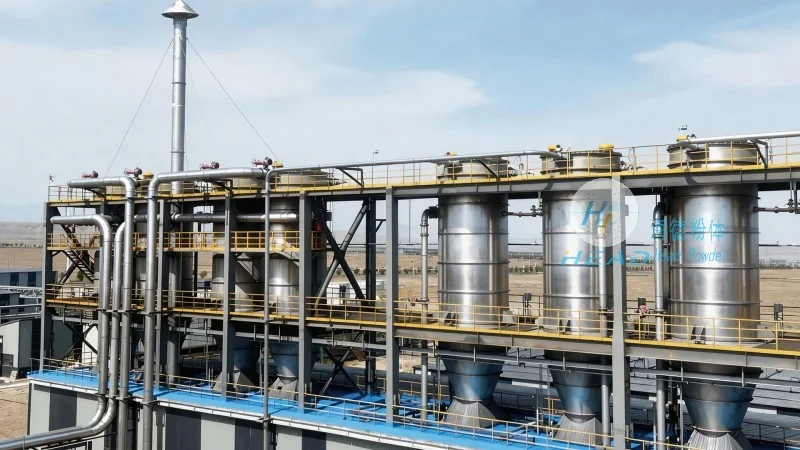
Pneumatic conveying equipment is often integrated into larger industrial processes, such as in the construction, mining, and manufacturing sectors. The system components work in tandem to ensure smooth operation. The hopper serves as a storage vessel, with a feeder that can be a rotary valve or a screw feeder, controlling the material flow rate. The feeder is crucial for maintaining a consistent air-to-material ratio, which directly impacts the conveying efficiency. The conveying line is usually made of stainless steel or other corrosion-resistant materials to withstand the abrasive nature of aggregate materials and to prevent contamination. The receiver, typically a hopper or a silo, collects the discharged material, often equipped with a discharge valve to control the outflow.

Control systems play a vital role in modern pneumatic conveying systems, allowing for automated operation and monitoring. Sensors can be used to detect material levels in the hopper and receiver, while pressure and flow meters monitor the system's performance. This data can be used to optimize the system's operation, reducing energy consumption and preventing operational issues. The integration of these control features enhances the overall reliability and efficiency of the system, making it a preferred choice for continuous production environments.
Maintenance and Operational Best Practices
Proper maintenance is essential to ensure the longevity and performance of pneumatic conveying equipment. Regular inspections should be conducted to check for wear and tear on components such as the feeder, pipeline, and receiver. Filters and cyclones are critical components that require periodic cleaning to prevent clogging and maintain airflow efficiency. The compressor or blower should be checked for proper lubrication and air filter maintenance to ensure optimal performance and prevent overheating. For abrasive materials, the use of wear-resistant liners or coatings on the pipeline and hopper can extend the equipment's lifespan. Operational best practices include starting the system with the material feed off to allow the air to clear the pipeline, and gradually increasing the material flow rate to avoid sudden surges that could cause blockages. These practices help in minimizing downtime and maximizing the system's operational life.




