HeadPowder, a leading manufacturer in the field of material handling solutions, specializes in the design, production, and supply of advanced pneumatic conveying systems tailored for various industrial applications. This article provides an in-depth exploration of the working principle and key features of polypropylene material pneumatic conveying equipment, highlighting its efficiency, reliability, and adaptability for handling polypropylene powders and granules.
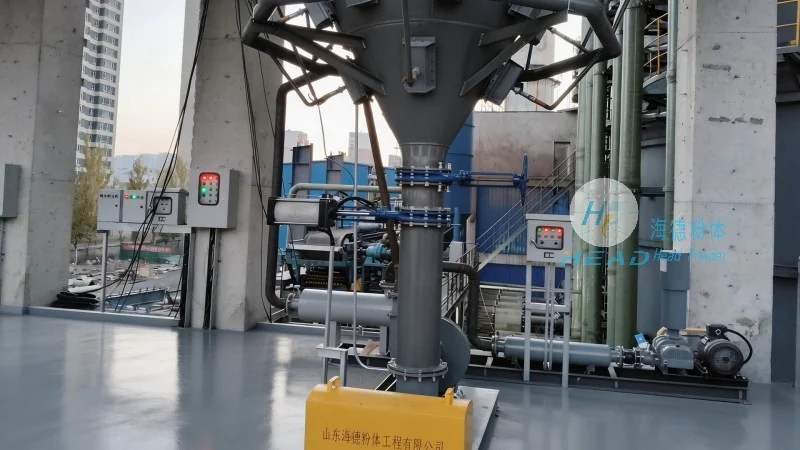
Working Principle of Polypropylene Material Pneumatic Conveying Equipment
The core mechanism of polypropylene material pneumatic conveying equipment revolves around the use of compressed air to transport polypropylene particles through a pipeline system. The process typically begins with the loading of polypropylene material into a hopper or feeder, which is equipped with a rotary valve or other feeding mechanism to control the flow rate. As the compressed air is introduced into the conveying line, it creates a low-pressure zone that draws the polypropylene particles into the pipeline. The air and material mixture then travels through the pipeline at high velocity, ensuring the efficient transport of the material from the source to the destination. The system may include components such as a filter, silencer, and pressure regulator to maintain optimal operating conditions and prevent material degradation or equipment damage.

Key Features of Polypropylene Material Pneumatic Conveying Equipment
Polypropylene material pneumatic conveying equipment from Shandong HeadPowder Engineering Co., Ltd. is characterized by several distinct features that enhance its performance and usability in industrial settings. Firstly, the equipment is designed to handle the unique properties of polypropylene, including its low density and tendency to agglomerate. Advanced feeding mechanisms, such as screw feeders or rotary valves, ensure consistent and controlled material flow, preventing blockages and maintaining system efficiency. Secondly, the system incorporates high-quality materials and components, including stainless steel or corrosion-resistant alloys, to withstand the chemical and thermal properties of polypropylene and ensure long-term durability. Thirdly, the equipment is equipped with user-friendly control systems that allow for easy monitoring and adjustment of operating parameters, such as air pressure and flow rate, to optimize performance and minimize downtime. Additionally, the design of the conveying line minimizes material degradation and contamination, ensuring that the polypropylene remains in its original state throughout the conveying process. The equipment also features safety features, such as pressure relief valves and emergency shut-off mechanisms, to protect operators and equipment from potential hazards.

Benefits of Using Polypropylene Material Pneumatic Conveying Equipment
Implementing polypropylene material pneumatic conveying equipment offers numerous benefits for industrial operations. The primary advantage is the significant reduction in labor costs and manual handling, as the system automates the material transport process, reducing the need for manual loading and unloading. This not only improves operational efficiency but also enhances workplace safety by minimizing the risk of accidents associated with manual handling of powders. Additionally, the equipment ensures consistent and uniform material flow, which is crucial for processes such as blending, compounding, and packaging, where precise material control is essential. The automated system also reduces the risk of material contamination, as the conveying process is enclosed and controlled, preventing exposure to external elements or contaminants. Furthermore, the equipment is designed for easy maintenance and cleaning, with features such as easy-to-access components and self-cleaning mechanisms, which reduces downtime and maintenance costs. The use of polypropylene material pneumatic conveying equipment also contributes to improved production throughput, as the system can handle high volumes of material at a consistent rate, meeting the demands of modern industrial production.
Applications of Polypropylene Material Pneumatic Conveying Equipment
Polypropylene material pneumatic conveying equipment is widely used in various industries where polypropylene powders or granules need to be transported efficiently and safely. Common applications include the plastic manufacturing industry, where polypropylene is used in the production of various plastic products such as bottles, containers, and films. The equipment is also used in the chemical industry for the transport of polypropylene-based additives and compounds. Additionally, the system is utilized in the food and beverage industry for the handling of polypropylene-based packaging materials and additives. In the pharmaceutical industry, the equipment is employed for the transport of polypropylene-based excipients and packaging materials, ensuring compliance with stringent hygiene and safety standards. The versatility of the polypropylene material pneumatic conveying equipment makes it suitable for a wide range of applications, from small-scale operations to large-scale industrial production.

Conclusion
HeadPowder's polypropylene material pneumatic conveying equipment exemplifies the advanced technology and engineering expertise of Shandong HeadPowder Engineering Co., Ltd. By understanding the working principle and key features of this equipment, industrial users can make informed decisions about implementing efficient and reliable material handling solutions. The equipment's ability to handle polypropylene materials with precision and efficiency makes it an essential component in modern industrial operations, contributing to improved productivity, safety, and cost-effectiveness. With its commitment to quality and innovation, HeadPowder continues to provide cutting-edge solutions for the material handling needs of various industries.




