For industrial applications involving sodium hypochlorite, efficient material handling is crucial. The pneumatic conveying system offers a reliable solution for transporting this chemical, ensuring safety and operational efficiency. This article explores the working principle and key features of such a system, highlighting its benefits and practical applications.

Introduction to the Sodium Hypochlorite Pneumatic Conveying System
The system is designed to transport sodium hypochlorite, a widely used disinfectant and bleaching agent, from storage to processing units. It operates by using compressed air to move the material through a pipeline network. This method eliminates the need for mechanical components like belts or screws, reducing maintenance and enhancing safety, especially when dealing with potentially hazardous chemicals.
Working Principle of the Pneumatic Conveying System
The core mechanism involves the generation of a high-velocity air stream that entrains the sodium hypochlorite particles. The system typically consists of a feeding device, a conveying line, and a discharge unit. The feeding device introduces the material into the pipeline, where the air flow carries it to the destination. The velocity and pressure of the air are carefully controlled to ensure stable and continuous transport without causing material degradation or blockages.

Key Features and Advantages
One of the primary advantages is the ability to handle sodium hypochlorite in a closed system, minimizing exposure to the environment and reducing the risk of contamination. The system is also flexible, allowing for multiple delivery points and easy integration with existing industrial processes. Additionally, it offers high transport efficiency, with minimal material loss and low energy consumption compared to traditional methods. The design also incorporates safety features, such as pressure relief valves and monitoring systems, to prevent over-pressurization and ensure safe operation.

Application Scenarios and Operational Considerations
The pneumatic conveying system is particularly suitable for applications where sodium hypochlorite is used in water treatment, textile processing, and paper manufacturing. It is effective in both low and high-volume operations, adapting to varying production demands. Operational considerations include maintaining proper air pressure and flow rates, regular cleaning of the pipeline to prevent clogging, and monitoring the system for any signs of wear or damage. Proper maintenance is essential to ensure consistent performance and longevity of the equipment.
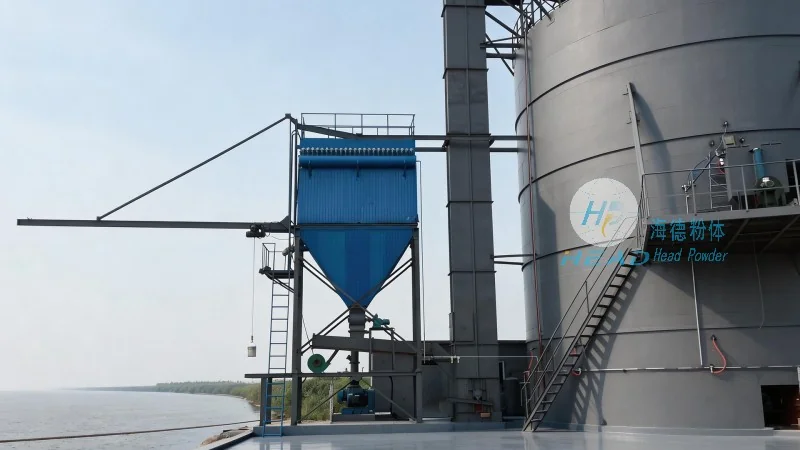
About Shandong HeadPowder Engineering Co., Ltd.
As a leading provider in the field, Shandong HeadPowder Engineering Co., Ltd. specializes in designing and manufacturing advanced material handling solutions. With years of experience, the company focuses on delivering high-quality, reliable systems tailored to the specific needs of clients. HeadPowder's expertise ensures that the pneumatic conveying systems are optimized for safety, efficiency, and durability, meeting industry standards and regulatory requirements. The company's commitment to innovation and customer satisfaction has established it as a trusted partner in industrial chemical processing.
Conclusion
In summary, the sodium hypochlorite pneumatic conveying system combines advanced technology with practical design to offer an efficient and safe method for material transport. Its working principle, centered on air-based transport, provides numerous advantages, including closed system operation, flexibility, and high efficiency. For industries relying on sodium hypochlorite, this system is a valuable asset, enhancing operational performance while maintaining safety standards. With the support of companies like Shandong HeadPowder Engineering Co., Ltd., these systems can be customized to meet diverse industrial requirements, ensuring optimal performance and reliability.




