For industries that rely on fine powders like silica, efficient and reliable material handling is paramount. Pneumatic conveying systems have emerged as a preferred solution due to their ability to transport these materials in a dust-free, enclosed environment. This article delves into the working principles and distinctive features of silica powder pneumatic conveying systems, providing insights into how they enhance operational efficiency, product quality, and safety in industrial settings.

Working Principle of Silica Powder Pneumatic Conveying Systems
The fundamental operation of a pneumatic conveying system involves the use of air or gas to move solid particles. In the context of silica powder, the system typically operates through either positive pressure or negative pressure (vacuum) methods. The positive pressure system uses compressed air to push the powder through the conveying line, while the negative pressure system employs a vacuum to draw the material. The process begins with the silica powder being fed into a hopper or feeder, where it is then introduced into the conveying line. The powder is then accelerated by the air stream and transported through the pipeline. Key components such as rotary valves, cyclones, and filters are integrated to manage the flow, separate the powder from the air, and ensure consistent performance. The system's design allows for precise control over the conveying rate, pressure, and flow direction, enabling seamless integration with existing production processes. Advanced control systems, such as PLCs, are often incorporated to monitor and adjust parameters in real-time, ensuring optimal performance and minimizing downtime.

Key Features of Silica Powder Pneumatic Conveying Systems
Several key features distinguish silica powder pneumatic conveying systems from other material handling methods. Firstly, they offer a completely enclosed and dust-free operation, which is critical for maintaining product purity and preventing environmental contamination. Unlike open systems like bucket elevators or belt conveyors, pneumatic systems minimize the risk of product degradation and exposure to contaminants. Secondly, these systems provide high flexibility in terms of layout and integration. They can be configured in various configurations, including dilute phase (where particles are suspended in air) and dense phase (where particles are conveyed in a slurry-like state), to accommodate different material characteristics and process requirements. This adaptability allows for customization to meet specific operational needs, such as handling abrasive or sensitive powders. Additionally, the systems are designed for low maintenance and long service life, reducing downtime and operational costs. The use of high-quality materials and advanced engineering ensures durability and resistance to corrosion, which is particularly important for handling silica powders that may be chemically reactive or abrasive. Furthermore, modern systems often incorporate energy-efficient designs, reducing operational costs and environmental impact.

Company Overview: Shandong HeadPowder Engineering Co., Ltd.
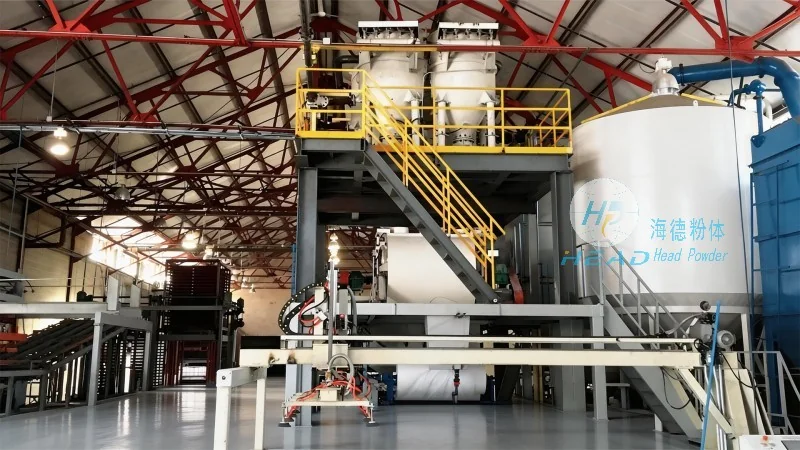
Shandong HeadPowder Engineering Co., Ltd., commonly known as HeadPowder, is a leading manufacturer and supplier of advanced material handling solutions. With a strong focus on innovation and customer-centric approaches, the company has built a reputation for delivering high-quality pneumatic conveying systems tailored to the unique needs of various industries. HeadPowder specializes in designing and manufacturing systems that enhance operational efficiency, product integrity, and safety. The company's expertise lies in understanding the challenges associated with handling fine powders like silica and developing customized solutions that meet specific process requirements. By leveraging cutting-edge technology and rigorous quality control, HeadPowder ensures that its products meet the highest industry standards. The company's commitment to excellence has earned it a trusted position in the market, providing reliable and efficient material transport solutions to clients worldwide.
Applications and Benefits in Industrial Settings
Silica powder pneumatic conveying systems are widely used across multiple industries, including pharmaceuticals, food processing, chemical manufacturing, and cosmetics. In the pharmaceutical industry, these systems are essential for transporting active ingredients and excipients while maintaining strict hygiene and contamination control. The food processing sector benefits from the dust-free operation, ensuring that products remain safe for consumption. In chemical manufacturing, the systems help transport raw materials and intermediates, supporting the production of various chemical products. The key benefits of using such systems include improved process control, reduced waste, and enhanced overall productivity. By minimizing the risk of product contamination and dust exposure, these systems also help maintain compliance with industry regulations and standards. Furthermore, the flexibility of pneumatic conveying allows for easy integration with automated production lines, supporting the modernization and optimization of industrial processes. The long service life and low maintenance requirements of these systems contribute to cost savings and operational efficiency, making them a preferred choice for businesses looking to enhance their material handling capabilities.




