Understanding the pneumatic conveying of sodium carbonate material is crucial for industries that handle this chemical compound efficiently and safely. This process involves transporting sodium carbonate—a common industrial chemical used in various applications such as glass manufacturing, paper production, and water treatment—using a gas stream, typically air, to move the material from one location to another. The design principles behind this system are tailored to ensure optimal performance, reliability, and cost-effectiveness for handling sodium carbonate, which is known for its reactivity and potential to cause caking or bridging in traditional handling methods. The expertise in this field is provided by Shandong HeadPowder Engineering Co., Ltd., a leading company specializing in material handling solutions.

Introduction to Sodium Carbonate Pneumatic Conveying
Sodium carbonate, also known as soda ash, is a white crystalline solid that is hygroscopic and can absorb moisture from the air. Its handling requires specialized equipment to prevent degradation and ensure consistent quality. Pneumatic conveying offers a solution by eliminating the need for manual handling, reducing contamination risks, and improving process control. The system typically consists of a material hopper, a conveying line, a receiver, and a blower or compressor that generates the air stream. This setup allows for the efficient transport of sodium carbonate over short or long distances, depending on the application requirements.
Key Design Principles for Sodium Carbonate Pneumatic Conveying Systems
The design of a pneumatic conveying system for sodium carbonate must consider several critical factors to ensure reliable operation. First, the material's physical properties, such as particle size distribution, density, and flowability, are essential. Sodium carbonate particles can vary in size, and the system must be designed to handle these variations without causing blockages or excessive pressure drops. Second, the air velocity and pressure must be optimized to maintain a stable flow of the material. Too low a velocity may lead to material settling or bridging, while too high a velocity can cause wear on the conveying line and increase energy consumption. Third, the system must incorporate features to prevent caking or agglomeration of the material, which can occur due to moisture absorption or static electricity. This may involve using anti-static additives, moisture control measures, or specialized hopper designs to maintain the material's flowability.
Components and Their Roles in the System
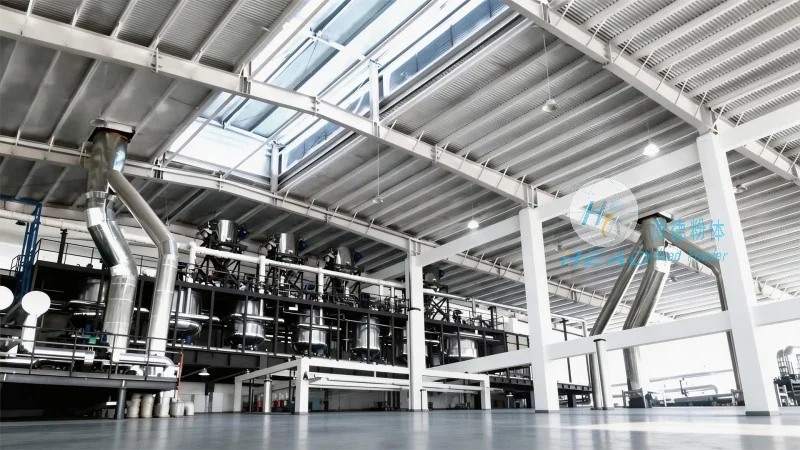
A typical pneumatic conveying system for sodium carbonate includes several key components, each playing a vital role in the overall operation. The material hopper is the initial storage vessel where sodium carbonate is loaded. It is designed with a sloped bottom to facilitate material flow and may include a rotary valve or feeder to control the discharge rate. The conveying line, usually made of stainless steel or other corrosion-resistant materials, transports the material and air mixture. The line diameter and length are carefully selected based on the material's flow characteristics and the required conveying distance. The receiver, or destination vessel, collects the conveyed sodium carbonate and may include a dust collection system to prevent environmental contamination. The blower or compressor provides the necessary air pressure and volume to move the material through the system. It is typically sized to generate a pressure sufficient to overcome the system's resistance while maintaining an appropriate air velocity for efficient transport.

Advantages of Pneumatic Conveying for Sodium Carbonate
Implementing a pneumatic conveying system for sodium carbonate offers several advantages over traditional handling methods. One of the primary benefits is the reduction in manual labor, as the system automates the material transport process. This not only improves safety by minimizing human exposure to the chemical but also enhances process consistency and reduces the risk of contamination. Another advantage is the ability to handle sodium carbonate in a closed system, which helps control dust emissions and prevent environmental pollution. The system also allows for better process control, as the flow rate and pressure can be adjusted to meet specific production requirements. Additionally, pneumatic conveying can be integrated with other processing equipment, such as mixers or reactors, to create a seamless production line. This integration improves overall efficiency and reduces downtime, leading to cost savings for the manufacturer.

Considerations for System Maintenance and Safety
Proper maintenance and safety measures are essential for the long-term operation of a pneumatic conveying system handling sodium carbonate. Regular inspection of the conveying line and components is necessary to detect any signs of wear or corrosion, which can affect the system's performance and safety. The system should be equipped with safety features, such as pressure relief valves and emergency shut-off mechanisms, to prevent over-pressurization or other hazards. Additionally, the material hopper and receiver should be designed to prevent the buildup of static electricity, which can cause sparks and fire hazards, especially when handling flammable materials or in environments with explosive dust clouds. Proper ventilation and dust collection systems are also critical to maintain a safe working environment and comply with environmental regulations.
Conclusion
The pneumatic conveying of sodium carbonate is a highly effective method for transporting this important industrial chemical, offering numerous benefits in terms of efficiency, safety, and process control. By adhering to the design principles outlined above and incorporating appropriate components and safety measures, manufacturers can ensure reliable and cost-effective operation of their sodium carbonate handling systems. As the demand for sodium carbonate continues to grow in various industries, the adoption of advanced pneumatic conveying technologies will remain a key factor in optimizing production processes and maintaining competitive advantages. Shandong HeadPowder Engineering Co., Ltd. remains committed to providing innovative and reliable solutions for the pneumatic conveying of sodium carbonate, supporting industries in achieving their operational goals with precision and efficiency.




