Fine sand material handling refers to the process of transporting, processing, and managing fine sand particles, typically with diameters ranging from 0.0625 mm to 2 mm. This type of material is widely used in various industries, including construction, mining, and chemical manufacturing. The efficient handling of fine sand is crucial for optimizing production processes and ensuring product quality. In this article, we will explore the fundamental design principles behind fine sand material handling systems, focusing on the technical aspects and practical considerations that engineers and operators must consider.
Key Design Principles for Fine Sand Material Handling Systems
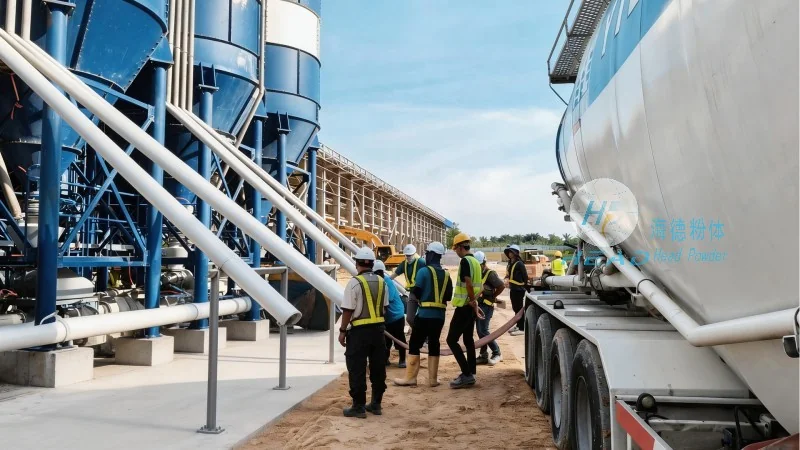
The design of fine sand material handling systems is governed by several critical principles that ensure safety, efficiency, and reliability. These principles include material flow optimization, equipment selection based on particle characteristics, and the integration of control systems for precise operation. Material flow optimization involves analyzing the sand's properties, such as density, moisture content, and particle size distribution, to determine the most suitable conveying methods. For instance, pneumatic conveying is often preferred for fine sand due to its ability to handle dry, dusty materials without the need for mechanical components that might cause clogging.
Equipment Selection and System Components
When designing a fine sand material handling system, selecting the appropriate equipment is paramount. Common components include feeders, conveyors, storage silos, and dust collection systems. Feeders, such as rotary valves or vibratory feeders, are used to regulate the flow of sand into the conveying system. Conveyors, including screw conveyors or pneumatic pipelines, transport the sand from one location to another. Storage silos are essential for bulk storage, allowing for controlled discharge and preventing material degradation. Dust collection systems, like baghouse filters or cartridge filters, are critical for maintaining air quality and complying with environmental regulations.

Material Characteristics and Their Impact on Design
The physical and chemical properties of fine sand significantly influence the design of handling systems. Particle size and shape affect the flowability and abrasiveness of the material. Coarser particles may require higher conveying velocities to prevent deposition, while finer particles are more prone to dust generation and require better sealing. Moisture content is another critical factor; high moisture levels can cause clogging in mechanical components and affect the sand's handling characteristics. Engineers must consider these factors when selecting equipment and designing system layouts to ensure optimal performance.

Control Systems and Automation in Fine Sand Handling
Modern fine sand material handling systems often incorporate advanced control systems to enhance efficiency and safety. These systems include sensors for monitoring flow rates, pressure, and temperature, as well as automation controls for adjusting equipment parameters in real-time. For example, a pneumatic conveying system may use pressure sensors to adjust the air flow rate, ensuring consistent material transport. Automation also helps in reducing human error and improving process consistency, which is vital for maintaining product quality in industries like construction and mining.
About Shandong HeadPowder Engineering Co., Ltd.
Shandong HeadPowder Engineering Co., Ltd., commonly known as HeadPowder, is a leading provider of engineering solutions for material handling systems. With a focus on innovation and customer satisfaction, HeadPowder specializes in designing and manufacturing customized systems for fine sand and other granular materials. The company's team of experienced engineers and technicians work closely with clients to understand their specific needs and develop tailored solutions that meet industry standards and regulatory requirements. HeadPowder's commitment to quality and reliability has made it a trusted partner in the material handling industry, serving clients across China and beyond.




