Understanding the Polyacrylamide Material Conveying Line and Its Design Principles

Introduction to Polyacrylamide Material Conveying Lines
A polyacrylamide material conveying line is a specialized industrial system engineered to transport polyacrylamide, a high-performance polymer widely used in water treatment, papermaking, and other industries. The design of such a line is critical to ensure efficient, safe, and reliable material handling, as polyacrylamide powders or granules require specific conditions to maintain their properties and prevent degradation during transport. This article explores the fundamental aspects of polyacrylamide material conveying lines, focusing on their design principles and the key components that contribute to their effectiveness.
About HeadPowder: A Leading Provider of Conveying Solutions
HeadPowder, or Shandong HeadPowder Engineering Co., Ltd., is a prominent Chinese company based in Shandong, dedicated to developing advanced material handling systems. With years of experience in the industry, HeadPowder specializes in customizing conveying solutions for various industrial applications, including those involving polyacrylamide. The company's expertise lies in integrating cutting-edge technology with practical engineering to meet the unique demands of clients, ensuring that their conveying lines are not only efficient but also durable and cost-effective.
Key Design Principles for Polyacrylamide Conveying Lines
The design of a polyacrylamide material conveying line is guided by several core principles aimed at preserving the material's quality and optimizing the conveying process. First, the system must minimize material degradation, which can occur due to friction, temperature changes, or exposure to air. This is achieved through the use of smooth, low-friction components and proper sealing to prevent contamination. Second, the conveying line should maintain consistent material flow, avoiding blockages or uneven distribution that could lead to inefficiencies. This is typically accomplished by incorporating appropriate feeding mechanisms, such as hoppers or feeders, and ensuring that the pipeline diameter and slope are optimized for the material's characteristics.

Third, the design must consider the material's hygroscopic nature, as polyacrylamide can absorb moisture from the air, affecting its performance. Therefore, the conveying line often includes features like enclosed pipelines and moisture-resistant components to maintain the material's integrity. Additionally, the system should be designed for easy maintenance and cleaning, as polyacrylamide can adhere to surfaces and require regular upkeep to prevent clogging or contamination. These design principles collectively ensure that the polyacrylamide material is transported safely and efficiently, meeting the requirements of various industrial applications.
Components and Functionality of the Conveying System
A typical polyacrylamide material conveying line consists of several interconnected components, each playing a crucial role in the overall operation. The primary components include a hopper or storage tank for storing the polyacrylamide material, a feeding device (such as a screw feeder or rotary valve) to control the flow rate, a conveying pipeline (often made of stainless steel or other corrosion-resistant materials) to transport the material, and a discharge mechanism (like a rotary valve or outlet) to release the material at the destination. The feeding device is critical as it regulates the amount of material entering the pipeline, preventing overloading or underloading that could disrupt the flow. The pipeline itself is designed with a slight incline to facilitate gravity-assisted flow, reducing the need for additional power and minimizing wear on components.
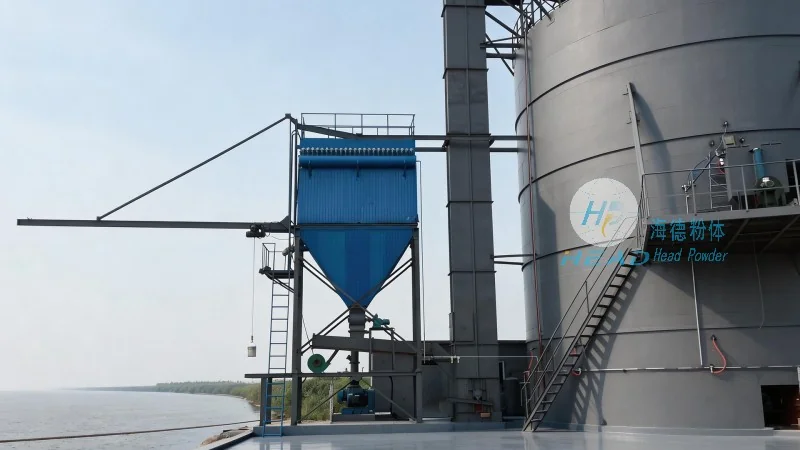
The conveying line may also include auxiliary components such as dust collectors, air filters, or temperature control systems, depending on the specific application. For example, in water treatment facilities, the conveying line might be integrated with a dosing system to ensure precise measurement of polyacrylamide for treatment processes. In papermaking, the line may be connected to a slurry preparation system to blend the polymer with other ingredients. These components work together to create a seamless material handling process, from storage to final use.
Applications and Benefits of Polyacrylamide Conveying Lines
Polyacrylamide material conveying lines are widely used in industries where the polymer is a key component, such as water treatment, paper and pulp manufacturing, mining, and textile processing. In water treatment, the line ensures that polyacrylamide is delivered to treatment plants in a controlled manner, allowing for precise dosing to remove contaminants like suspended solids and phosphates. In papermaking, the polymer is used to improve paper strength and quality, and the conveying line delivers it to the paper machine in a consistent flow. The benefits of using a well-designed polyacrylamide conveying line include improved process efficiency, reduced material waste, enhanced product quality, and lower operational costs. By maintaining the material's integrity and ensuring smooth transport, these systems contribute to the overall productivity and reliability of industrial operations.
Conclusion: The Importance of Proper Design and Implementation
Designing and implementing a polyacrylamide material conveying line requires careful consideration of the material's properties, the application requirements, and the operational environment. A well-engineered system, like those offered by Shandong HeadPowder Engineering Co., Ltd., ensures that polyacrylamide is transported safely and efficiently, minimizing degradation and maximizing performance. The key design principles, including material handling, flow control, and maintenance considerations, are essential for achieving optimal results. As industries continue to rely on polyacrylamide for various applications, the importance of reliable conveying systems cannot be overstated. By investing in a properly designed polyacrylamide material conveying line, companies can enhance their operational efficiency, reduce costs, and ensure consistent product quality.




