For industries dealing with bulk dry materials, efficient and reliable material handling is crucial. A dry material pneumatic conveying system is a key solution that enables the transport of powders and granules over long distances without the need for mechanical components like belts or buckets. This technology has become increasingly vital in sectors such as pharmaceuticals, food processing, and chemical manufacturing, where maintaining product integrity and hygiene is paramount. Understanding the components and design principles of such systems is essential for selecting the right equipment for specific applications.
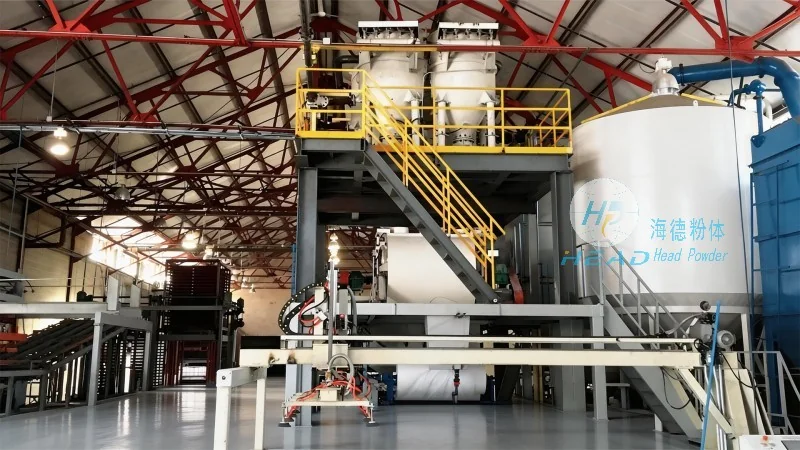
Understanding Dry Material Pneumatic Conveying Systems
A dry material pneumatic conveying system is a type of bulk material handling equipment that uses air or gas to move dry materials from one location to another. Unlike traditional mechanical conveyors, which rely on physical contact and moving parts, pneumatic systems operate by creating a flow of air that carries the material particles through a pipeline. This method offers several advantages, including the ability to handle fine powders, prevent contamination, and maintain product quality during transport. The system typically consists of a hopper for material storage, a blower or compressor to generate the air flow, a pipeline network to transport the material, and a discharge point where the material is released.
Key Components of a Dry Material Pneumatic Conveying System
The effectiveness of a dry material pneumatic conveying system depends on its key components, each designed to perform a specific function. The primary components include the material hopper, which holds the dry material and feeds it into the system; the air supply unit, which provides the necessary pressure and flow rate; the conveying line, which consists of pipes and fittings that guide the material and air; and the control system, which regulates the operation of the blower and other components. Additionally, the system may include accessories like filters to remove dust from the air, cyclones for material separation, and valves to control the flow direction. Each component must be carefully selected and integrated to ensure optimal performance and efficiency.
Design Principles for Dry Material Pneumatic Conveying Systems
The design of a dry material pneumatic conveying system involves several critical principles that ensure safe, efficient, and reliable operation. One of the most important principles is the selection of the appropriate air velocity, which must be high enough to lift and transport the material particles but not so high as to cause excessive wear on the system components. The air velocity is typically determined based on the material's properties, such as particle size, density, and flowability. Another key design principle is the system's pressure, which can be either positive or negative. Positive pressure systems use compressed air to push the material forward, while negative pressure systems use suction to draw the material into the pipeline. The choice between these systems depends on the application and the distance the material needs to be transported.

Factors Influencing System Performance and Efficiency
Several factors influence the performance and efficiency of a dry material pneumatic conveying system. The material's characteristics, including its particle size distribution, moisture content, and cohesive properties, play a significant role in determining the system's design. For example, fine powders may require higher air velocities and more efficient filtration to prevent clogging. The system's layout and pipeline design also impact performance, as sharp bends or narrow sections can cause material deposition and blockages. Additionally, the blower's capacity and the control system's responsiveness are critical for maintaining consistent material flow. Proper maintenance and regular inspections are essential to ensure the system operates at peak efficiency and to prevent downtime.
Applications and Industries Utilizing Dry Material Pneumatic Conveying Systems
Dry material pneumatic conveying systems are widely used across various industries due to their versatility and efficiency. In the pharmaceutical industry, these systems are used to transport active pharmaceutical ingredients (APIs) and excipients while maintaining strict hygiene and contamination control. The food processing industry utilizes them to handle powders like flour, sugar, and spices, ensuring that the products remain fresh and free from contamination. The chemical industry also relies on pneumatic conveying for transporting raw materials and finished products, particularly in processes involving hazardous or sensitive materials. Other applications include the mining and cement industries, where large quantities of bulk materials need to be moved over long distances. The adaptability of these systems makes them suitable for a wide range of industrial applications.

Advantages of Dry Material Pneumatic Conveying Systems
Compared to traditional mechanical conveyors, dry material pneumatic conveying systems offer several advantages that make them a preferred choice for many industries. One of the main advantages is the ability to handle fine and abrasive materials without causing wear or damage. The system also provides a closed environment, which helps prevent dust emissions and contamination, making it suitable for applications where product purity is critical. Additionally, pneumatic systems are more flexible in terms of layout, as they can be easily reconfigured to accommodate changes in production processes or facility expansions. The systems are also relatively low maintenance, as they have fewer moving parts compared to mechanical conveyors, reducing the risk of breakdowns and increasing operational reliability.
Challenges and Considerations in System Design
While dry material pneumatic conveying systems offer numerous benefits, there are also challenges and considerations that must be addressed during the design and operation phase. One of the main challenges is the potential for material buildup and blockages in the pipeline, especially with cohesive or sticky materials. To mitigate this, designers often incorporate features like pulse jets or vibration devices to keep the material moving. Another consideration is the energy consumption of the system, as high air velocities and pressures can increase operational costs. Engineers must balance the need for efficient material transport with energy efficiency to ensure the system is cost-effective. Additionally, the system's noise level and the need for proper filtration to comply with environmental regulations must be considered, particularly in industries with strict environmental standards.
Conclusion and Future Trends
In conclusion, a dry material pneumatic conveying system is a sophisticated and efficient solution for transporting bulk dry materials in various industrial applications. The design principles and components of such systems are carefully engineered to ensure optimal performance, reliability, and product integrity. As industries continue to demand higher standards of efficiency and hygiene, the importance of these systems will only grow. Future trends in pneumatic conveying systems may include the integration of advanced control technologies, such as sensors and automation, to enhance system performance and reduce maintenance requirements. Additionally, the development of more energy-efficient blowers and materials with improved flow properties will further advance the technology. For companies like Shandong HeadPowder Engineering Co., Ltd., based in China, these advancements provide opportunities to deliver high-quality pneumatic conveying solutions that meet the evolving needs of global industries.




