Centralized bulk material feeding pneumatic conveying systems represent a sophisticated solution for the efficient and reliable transport of bulk materials in industrial settings. These systems are designed to centralize the feeding process, ensuring consistent material flow from storage to processing or packaging units. Understanding the components, operation, and design principles of such systems is crucial for optimizing material handling processes and enhancing overall operational efficiency. The expertise in designing and manufacturing such systems is provided by Shandong HeadPowder Engineering Co., Ltd., a leading company based in Shandong, China, with a strong reputation for delivering high-quality industrial solutions.
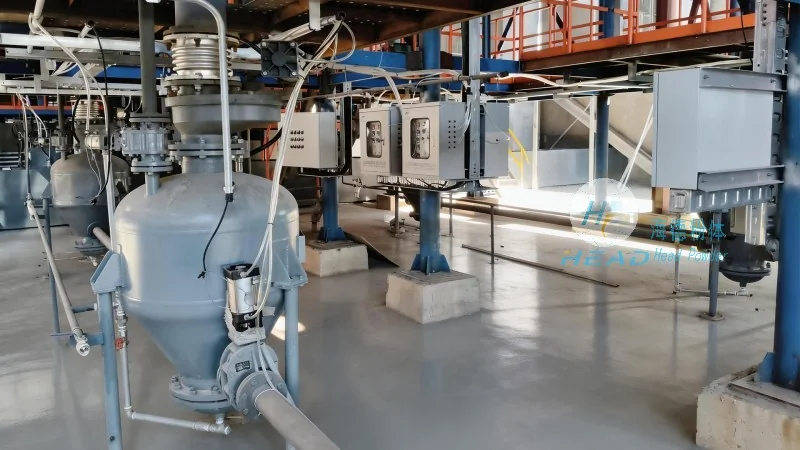
Introduction to Centralized Bulk Material Feeding Pneumatic Conveying Systems
A centralized bulk material feeding pneumatic conveying system is a specialized industrial equipment setup that integrates multiple feeding points and a central conveying network. The primary function is to collect bulk materials from various storage silos or hoppers and transport them to a central processing or packaging station using air as the conveying medium. This approach eliminates the need for individual conveying systems at each storage point, reducing complexity, maintenance costs, and space requirements.
Key Components of the System
The effectiveness of a centralized bulk material feeding system relies on several critical components, each playing a vital role in the overall operation. These components include:
1. Feeding Hoppers and Silos: These are the storage vessels where bulk materials are initially held. They are typically equipped with level sensors and discharge valves to control the flow of material into the conveying system.
2. Feeder Units: These devices, such as rotary valves or screw feeders, regulate the flow of material from the hoppers into the conveying line. They ensure a consistent and controlled feed rate, which is essential for maintaining system performance and preventing blockages.
3. Pneumatic Conveying Lines: The main conduits through which the material is transported. These lines can be made of metal or flexible tubing, depending on the material characteristics and system requirements. The lines are typically equipped with pressure regulators and flow control devices to maintain optimal air pressure and material velocity.

4. Central Control Unit: This is the brain of the system, responsible for monitoring and controlling all components. It includes sensors for material level, pressure, and flow rate, as well as control panels for adjusting settings and troubleshooting issues.
5. Receiver Hoppers or Processing Units: The final destination where the conveyed material is deposited. These units may be integrated with downstream processing equipment, such as mixers, grinders, or packaging machines.
Design Principles and Operational Mechanisms
The design of a centralized bulk material feeding pneumatic conveying system is based on several fundamental principles to ensure efficient and reliable operation. The primary design principle is the balance between air velocity and material velocity, which determines the conveying capacity and system efficiency. Engineers must calculate the required air pressure and flow rate based on the material's properties, such as particle size, density, and moisture content, as well as the system's length and elevation changes.
Another critical design consideration is the system's layout and the placement of components. The central control unit is typically located near the processing area to facilitate easy monitoring and control. The feeding hoppers are positioned at strategic points to minimize material handling distances and reduce the risk of material degradation. The conveying lines are designed to follow the most direct path, avoiding unnecessary bends and vertical lifts to maintain consistent material flow.
The system operates by creating a pressure differential between the feeding and receiving points. Air is drawn from the receiver side and forced through the conveying line, carrying the bulk material particles along with it. The feeder units control the material feed rate, ensuring that the air velocity remains sufficient to transport the material without causing excessive wear on the system components. The central control unit continuously monitors the system parameters and adjusts the air pressure or feed rate as needed to maintain optimal performance.
Benefits of Centralized Bulk Material Feeding Systems
Implementing a centralized bulk material feeding pneumatic conveying system offers several advantages for industrial operations. Firstly, it improves operational efficiency by centralizing the feeding process, reducing the need for multiple individual systems and minimizing downtime due to maintenance or equipment failure. Secondly, it enhances material handling accuracy and consistency, as the system can be programmed to deliver precise amounts of material to the processing units, reducing waste and improving product quality.

Thirdly, centralized systems reduce space requirements and improve plant layout flexibility. By consolidating multiple feeding points into a single system, manufacturers can optimize their facility layout, freeing up space for other operations or equipment. Additionally, these systems are more energy-efficient compared to traditional conveying methods, as they use compressed air to transport materials over longer distances with less energy consumption.
Fourthly, centralized systems offer improved safety and maintenance. The central control unit allows for remote monitoring and troubleshooting, reducing the need for on-site inspections and minimizing the risk of accidents. The system's modular design also facilitates easier maintenance and replacement of components, reducing downtime and maintenance costs.
Application Examples and Industry Use Cases
Centralized bulk material feeding pneumatic conveying systems are widely used in various industries, including food processing, pharmaceuticals, chemicals, and minerals. In the food industry, these systems are used to transport ingredients such as flour, sugar, and spices from storage silos to production lines, ensuring consistent quality and preventing contamination. In the pharmaceutical industry, they are employed to convey raw materials and finished products with high precision, meeting stringent quality and safety standards.
In the chemical industry, centralized systems are used to transport powders and granules, such as fertilizers, pigments, and polymers, from storage to processing or packaging units. The systems are designed to handle materials with varying properties, ensuring that the conveying process is efficient and safe. In the minerals industry, they are used to transport bulk materials like coal, ore, and sand from mines to processing plants, improving the overall efficiency of mining operations.
Conclusion
Centralized bulk material feeding pneumatic conveying systems are a vital component of modern industrial material handling. By integrating multiple feeding points into a single, efficient system, these devices enhance operational efficiency, improve material quality, and reduce costs. The design principles and operational mechanisms of such systems are carefully engineered to meet the specific needs of various industries, ensuring reliable and consistent performance. As industrial processes continue to evolve, the importance of these systems in optimizing material handling will only grow, making them an essential investment for any facility looking to improve its operational capabilities.




