For industries dealing with fine powders like micron powders, efficient and reliable material handling is crucial. A key solution in this field is the micron powder pneumatic conveying system, which uses air to transport powders over long distances with minimal loss and contamination. This article explores what these systems are and the fundamental design principles that make them effective.

Understanding Micron Powder Pneumatic Conveying
At its core, a micron powder pneumatic conveying system is a method of transporting fine powders through a pipeline using a stream of air. Unlike traditional mechanical conveyors, this system relies on air pressure or vacuum to move the material. The process involves feeding the powder into a hopper, where it is then drawn or pushed through the pipeline by the air flow. This approach is particularly advantageous for materials that are prone to caking, agglomeration, or contamination, as it maintains a clean and controlled environment.
Key Design Principles of Micron Powder Conveying Systems
The effectiveness of a micron powder pneumatic conveying system is determined by several critical design principles. First, the system must ensure proper air-powder ratio. This ratio is crucial for maintaining the flow of material without causing blockages or excessive pressure drops. The optimal ratio varies depending on the specific powder characteristics, such as particle size, density, and moisture content. Engineers at Shandong HeadPowder Engineering Co., Ltd. carefully calculate this ratio to ensure efficient operation.
Second, the system's design must consider the velocity of the air stream. The air velocity must be high enough to keep the powder suspended but not so high as to cause excessive wear on the pipeline or equipment. This balance is essential for preventing particle degradation and maintaining the integrity of the material. The company's expertise in material science and fluid dynamics allows them to optimize the velocity for each application.
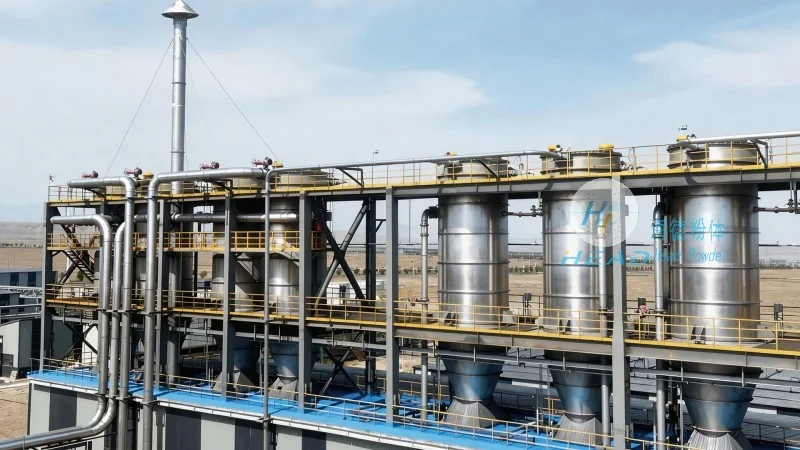
Third, the system incorporates appropriate equipment for feeding and separation. The feeding mechanism, such as a rotary valve or a venturi feeder, ensures a consistent and controlled flow of powder into the pipeline. The separation system, typically a cyclone or a filter, collects the powder from the air stream and returns it to the process. This design minimizes dust emissions and ensures that the material is recovered efficiently. Shandong HeadPowder Engineering Co., Ltd. specializes in designing these components to meet the specific needs of their clients.
Benefits of Using Micron Powder Pneumatic Conveying Systems
Implementing a micron powder pneumatic conveying system offers several benefits for industrial operations. One of the primary advantages is the ability to transport powders over long distances without the need for multiple transfer points. This reduces the risk of material degradation and contamination, as the material remains in a closed system. Additionally, the system is highly flexible, allowing for changes in the flow rate or direction without significant modifications to the infrastructure.
Another benefit is the reduced maintenance requirements compared to mechanical conveyors. Since there are no moving parts in direct contact with the powder, the system is less prone to wear and tear. This leads to lower operational costs and increased uptime. The company's systems are designed with durability in mind, using high-quality materials that can withstand the abrasive nature of fine powders.
Furthermore, the system provides better control over the material's properties. By maintaining a consistent air-powder ratio and velocity, the system ensures that the powder's quality is preserved throughout the conveying process. This is particularly important for applications where the powder's particle size or moisture content directly impacts the final product's performance. Shandong HeadPowder Engineering Co., Ltd. emphasizes quality control in their design and manufacturing processes to deliver systems that meet the highest standards.

Applications and Industries
Micron powder pneumatic conveying systems are widely used in various industries that handle fine powders. These include pharmaceuticals, food processing, chemical manufacturing, and mining. In the pharmaceutical industry, for example, these systems are used to transport active pharmaceutical ingredients (APIs) and excipients with high precision and minimal contamination. The food industry utilizes them for conveying ingredients like flour, sugar, and spices, ensuring that the products remain safe and free from adulteration. Chemical manufacturers use these systems for transporting reactive powders, where maintaining a controlled environment is critical to prevent accidents or product degradation.
The mining industry also benefits from these systems when handling fine ore powders or tailings. The ability to transport these materials over long distances without the need for heavy machinery reduces operational costs and improves safety. Shandong HeadPowder Engineering Co., Ltd. has experience working with clients in these industries, providing customized solutions that address their unique challenges.
Conclusion
In summary, a micron powder pneumatic conveying system is a sophisticated and efficient method for transporting fine powders. Its design is based on fundamental principles of fluid dynamics and material science, ensuring optimal performance and reliability. Companies like Shandong HeadPowder Engineering Co., Ltd. play a crucial role in designing and manufacturing these systems, providing industries with a solution that meets their specific needs. By understanding the design principles and benefits of these systems, businesses can improve their material handling processes, reduce costs, and enhance product quality.




