When it comes to material handling in industrial settings, efficient and reliable bulk material transfer is crucial for optimizing production processes. One such technology that has gained significant traction is bulk bag unloading pneumatic conveying. This method offers a seamless way to handle large quantities of dry bulk materials, such as powders and granules, from bulk bags directly into processing equipment or storage systems. In this article, we will explore what bulk bag unloading pneumatic conveying entails and delve into the core design principles that underpin its effective operation.
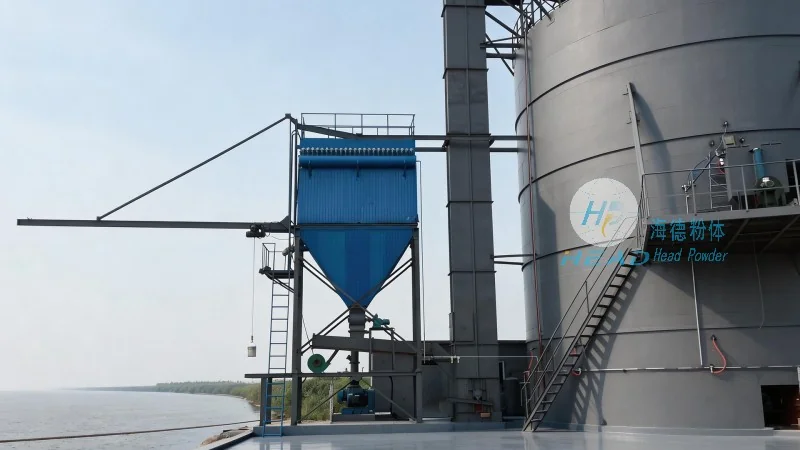
Bulk Bag Unloading Pneumatic Conveying: An Overview
Bulk bag unloading, also known as super sacks or FIBCs (Flexible Intermediate Bulk Containers), is a popular packaging method for transporting and storing bulk materials. These bags are designed to hold substantial quantities of material, typically ranging from 500 kg to several tons. The challenge lies in safely and efficiently transferring the contents from the bag into a conveyor system or processing unit without manual intervention or excessive dust generation. Pneumatic conveying systems address this challenge by using air pressure to move the material through a network of pipes, ensuring a clean and controlled transfer process.

The Core Design Principles of Pneumatic Conveying Systems
The design of a bulk bag unloading pneumatic conveying system involves several critical principles that ensure optimal performance, safety, and efficiency. These principles are tailored to handle the specific characteristics of the material being conveyed, such as particle size, density, and flowability. The primary components of such a system typically include a hopper or receiving chamber, a vacuum or pressure blower, a conveying line, and a discharge mechanism. Each component is carefully selected and configured to meet the operational requirements of the application.

Material Handling and Dust Control in Design
One of the key design considerations in bulk bag unloading pneumatic conveying is dust control. Since many bulk materials are fine powders, preventing airborne dust is essential for maintaining a safe working environment and complying with environmental regulations. Advanced systems incorporate features like sealed hoppers, air filtration units, and dust collection systems to minimize particulate emissions. Additionally, the design may include features such as bag venting and airlock mechanisms to ensure smooth material flow and prevent blockages.
System Integration and Scalability
Bulk bag unloading pneumatic conveying systems are often integrated into larger material handling workflows, connecting directly to silos, mixers, or other processing equipment. The design must account for the compatibility with existing infrastructure and the ability to scale up or down based on production needs. This flexibility allows industries to adapt the system to varying material volumes and processing requirements without significant modifications. Engineers from companies like Shandong HeadPowder Engineering Co., Ltd. specialize in designing customized solutions that meet these integration and scalability needs.

Company Expertise in Pneumatic Conveying Solutions
Shandong HeadPowder Engineering Co., Ltd., a leading provider of material handling solutions, brings extensive expertise to the design and implementation of bulk bag unloading pneumatic conveying systems. With a focus on innovation and customer-centric approaches, the company has developed state-of-the-art systems that combine efficiency, reliability, and safety. HeadPowder's team of engineers leverages advanced engineering principles and industry best practices to create tailored solutions that address the unique challenges of each application. The company's commitment to quality and performance has made it a trusted partner for businesses seeking to optimize their bulk material handling processes.




