Caustic soda, also known as sodium hydroxide, is a widely used chemical in various industrial processes. The efficient and safe transportation of caustic soda is crucial for maintaining production efficiency and ensuring workplace safety. Pneumatic conveying equipment has emerged as a reliable solution for handling caustic soda, offering advantages such as reduced risk of contamination, improved process control, and enhanced operational flexibility. This article explores the fundamental principles behind caustic soda pneumatic conveying systems, highlighting key components, operational mechanisms, and practical applications.

Key Components of Pneumatic Conveying Systems for Caustic Soda
The core of a caustic soda pneumatic conveying system consists of several essential components that work in tandem to facilitate the transport of the material. The primary components include a material hopper, a conveyor line, a venturi or airlock mechanism, and a dust collection system. The material hopper is designed to store the caustic soda in a controlled manner, ensuring a consistent feed rate to the conveyor. It is typically equipped with a level indicator and a discharge valve to regulate the flow of the material. The conveyor line, often made of corrosion-resistant materials like stainless steel or special alloys, is responsible for transporting the caustic soda from the hopper to the destination point. The venturi or airlock mechanism is a critical component that creates the necessary pressure differential to move the material through the system. This component can be either a venturi tube, which uses the velocity of the air to draw the material along, or an airlock valve, which uses a series of chambers to gradually release the material under controlled pressure. The dust collection system is essential for maintaining air quality and preventing the release of caustic soda particles into the environment. It typically includes a filter or cyclone separator to capture any fine particles and return them to the system or dispose of them safely.

Operational Mechanisms and Working Principles
The operation of a caustic soda pneumatic conveying system is based on the principles of fluid dynamics and particle transport. The system typically operates under either positive pressure or negative pressure, depending on the specific design and application requirements. In a positive pressure system, compressed air is introduced into the conveyor line, creating a pressure higher than the ambient air pressure. This pressure forces the caustic soda particles to move along the conveyor line. The air and material mixture is then discharged at the destination point, where the air is separated from the material and either vented or recycled. In a negative pressure system, the conveyor line is maintained at a pressure lower than the ambient air pressure, causing ambient air to be drawn into the system and carry the caustic soda particles. The material is then discharged at the end of the line, and the air is filtered and released. The choice between positive and negative pressure systems depends on factors such as the distance to be covered, the material's properties, and the need to minimize dust generation. The velocity of the air in the conveyor line is a critical parameter, as it must be sufficient to lift and transport the caustic soda particles without causing excessive wear or degradation of the material. Proper air velocity ensures that the particles remain suspended in the air stream and are conveyed efficiently to the destination. The system also includes control valves and sensors to monitor and adjust the flow rate, pressure, and air velocity in real-time, ensuring optimal performance and preventing system failures.
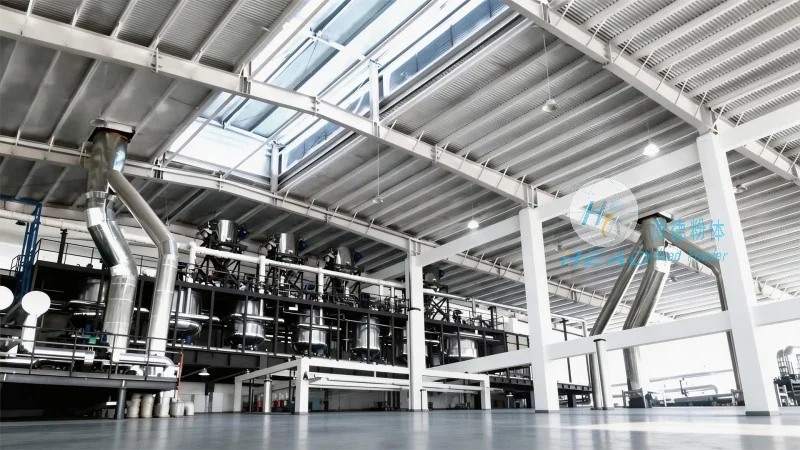
Advantages of Pneumatic Conveying for Caustic Soda Handling
Pneumatic conveying systems offer several advantages over traditional methods for handling caustic soda. One of the primary benefits is the ability to transport the material in a closed system, which significantly reduces the risk of exposure to the caustic soda and minimizes the potential for environmental contamination. This closed system also helps to maintain the purity of the caustic soda, preventing contamination from external sources. Another advantage is the improved process control, as the system allows for precise regulation of the flow rate and pressure, ensuring consistent delivery of the material to the processing equipment. This precision is crucial for maintaining the quality of the final product and optimizing the production process. Additionally, pneumatic conveying systems are highly flexible and can be easily adapted to different production layouts and requirements. They can be configured to handle various particle sizes and flow rates, making them suitable for a wide range of applications. The systems also require less space compared to traditional conveyor systems, which is beneficial for facilities with limited floor space. Furthermore, the use of corrosion-resistant materials in the construction of the system ensures long-term durability and reduces maintenance costs. Overall, pneumatic conveying provides a safe, efficient, and cost-effective solution for the transportation of caustic soda in industrial settings.
Applications and Practical Considerations
Caustic soda pneumatic conveying systems are widely used in various industries that rely on caustic soda as a key raw material. These industries include chemical manufacturing, pulp and paper production, water treatment, and food processing. In chemical manufacturing, the systems are used to transport caustic soda to reactors and processing units, ensuring a continuous supply of the material for chemical reactions. In the pulp and paper industry, caustic soda is used for the alkaline pulping process, and pneumatic conveying systems help to deliver the material to the pulping equipment efficiently. In water treatment facilities, caustic soda is used to adjust the pH levels of water, and the conveying systems ensure that the material is delivered to the treatment tanks in the correct quantities. In the food processing industry, caustic soda is used for the processing of certain food products, and the systems help to transport the material safely and hygienically. When implementing a caustic soda pneumatic conveying system, several practical considerations must be taken into account. The first is the selection of appropriate materials for the system components, as caustic soda is highly corrosive and can damage many materials. Stainless steel and special alloys are commonly used for the conveyor line and other components to ensure durability and resistance to corrosion. The second consideration is the design of the system to minimize dust generation and ensure proper ventilation. This includes the use of efficient dust collection systems and the implementation of proper sealing and maintenance procedures. The third consideration is the safety measures required for handling caustic soda, as the material is hazardous and can cause severe burns or other health issues if not handled properly. The system must be equipped with safety features such as pressure relief valves, emergency shut-off valves, and proper ventilation to prevent accidents. Finally, the system must be regularly inspected and maintained to ensure optimal performance and longevity. This includes checking for wear and tear, cleaning the system, and replacing any worn-out components as needed.

Conclusion
In conclusion, caustic soda pneumatic conveying equipment is a vital component in modern industrial processes, providing an efficient and safe method for transporting this essential chemical. The principles behind these systems, including the use of air pressure, particle transport, and closed system design, ensure that caustic soda can be handled with minimal risk and maximum efficiency. The key components, operational mechanisms, and advantages of pneumatic conveying systems have been discussed, highlighting their role in improving production processes and ensuring workplace safety. As industries continue to rely on caustic soda for various applications, the importance of reliable and effective conveying systems will only increase. By understanding the principles and practical considerations of caustic soda pneumatic conveying, manufacturers can make informed decisions about implementing these systems, leading to improved operational performance and enhanced safety in their facilities. The continued development and refinement of these systems will further enhance their capabilities, making them an indispensable part of industrial chemical handling.




