Welcome to Shandong HeadPowder Engineering Co., Ltd., a leading provider of specialized engineering solutions in the field of material handling and processing. Our company, located in Shandong, China, specializes in the design, manufacturing, and installation of advanced pneumatic conveying systems tailored for various industrial applications, including those related to aluminum battery production. This article delves into the fundamental principles of a pneumatic conveying system specifically designed for aluminum batteries, highlighting its operational mechanics, benefits, and practical applications.

Understanding the Core Components of Aluminum Battery Pneumatic Conveying Systems
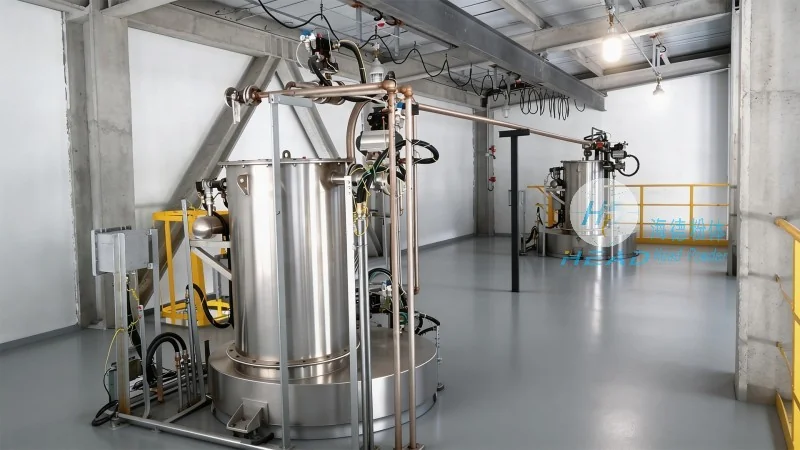
A pneumatic conveying system for aluminum batteries typically consists of several key components that work in tandem to transport materials efficiently and safely. The primary elements include a hopper or feed hopper, which serves as the storage and feeding unit for the aluminum battery components or raw materials. This hopper is equipped with a feeding mechanism, such as a rotary valve or a screw feeder, that controls the flow of material into the system. The material then enters a pipeline where it is propelled by a conveying medium, most commonly compressed air or a combination of air and other gases. The pipeline design is critical, as it must be capable of handling the specific characteristics of aluminum battery materials, such as their size, shape, and potential moisture content. Additionally, the system includes a receiver or discharge hopper at the end of the pipeline, which collects the conveyed material and may include a discharge valve to regulate the output. In some configurations, auxiliary components like filters, cyclones, or vacuum pumps are integrated to enhance system performance and ensure material quality.
Operational Mechanics: How Pneumatic Conveying Transports Aluminum Battery Materials
The operation of a pneumatic conveying system for aluminum batteries relies on the principles of fluid dynamics and particle transport. The process begins with the material being fed from the hopper into the pipeline. The conveying medium, usually compressed air, is introduced into the pipeline at a controlled pressure and velocity. As the air flows through the pipeline, it creates a low-pressure zone that draws the material particles into the stream. This phenomenon, known as pneumatic transport, allows the material to be carried along the pipeline by the moving air. The velocity of the air is a critical parameter; it must be sufficient to overcome the gravitational forces acting on the particles and any frictional losses within the pipeline. The system may operate in either a pressure or vacuum mode. In pressure systems, air is introduced at the inlet and pushes the material through the pipeline, while in vacuum systems, a vacuum pump creates a negative pressure at the discharge end, pulling the material through the pipeline. The choice between pressure and vacuum depends on factors such as the distance to be covered, the material's properties, and the overall system design. The conveying velocity and pressure are carefully calibrated to ensure that the material is transported without degradation, clogging, or excessive energy consumption. Proper design of the pipeline diameter, length, and bends is essential to maintain consistent flow and prevent material deposition or blockages.

Key Advantages of Pneumatic Conveying Systems for Aluminum Batteries
Implementing a pneumatic conveying system for aluminum battery production offers numerous advantages that enhance operational efficiency and product quality. One of the most significant benefits is the ability to transport materials in a closed system, which minimizes exposure to contaminants and environmental factors. This is particularly important for aluminum battery components, which may be sensitive to moisture, dust, or other pollutants. The closed system also helps maintain a controlled environment, ensuring that the materials remain in their optimal condition throughout the conveying process. Another key advantage is the high degree of automation and control that pneumatic conveying systems provide. These systems can be integrated with other production equipment, such as mixing or processing units, allowing for seamless material transfer and reducing the need for manual handling. This automation not only improves safety by minimizing human exposure to potentially hazardous materials but also increases production throughput and reduces labor costs. Additionally, pneumatic conveying systems are highly flexible and can be easily adapted to accommodate changes in production volume or material types. They can handle a wide range of particle sizes and shapes, making them suitable for various stages of aluminum battery manufacturing, from raw material input to component assembly. The energy efficiency of modern pneumatic conveying systems is also a notable benefit. Advanced designs incorporate energy-saving features, such as variable speed drives and optimized air flow, which reduce operational costs and environmental impact. Furthermore, the system's ability to handle materials in a continuous or batch mode provides versatility in production scheduling and process control.
Applications and Use Cases in Aluminum Battery Manufacturing
Pneumatic conveying systems for aluminum batteries find applications across multiple stages of the manufacturing process, contributing to streamlined operations and improved product consistency. In the initial stages of production, these systems are used to transport raw materials, such as aluminum powders or other components, from storage silos or bulk containers to the processing equipment. This ensures a steady and controlled supply of materials, which is crucial for maintaining consistent production rates. During the assembly phase, pneumatic conveying can be employed to transfer finished battery components, such as electrodes or casings, from one workstation to another. This facilitates efficient assembly lines and reduces the time and effort required to move parts between different production areas. In quality control and testing stages, the system may be used to transport samples or test materials to analytical equipment, enabling rapid and accurate testing of battery performance. The versatility of pneumatic conveying also makes it suitable for handling waste materials or byproducts from the manufacturing process, ensuring proper disposal and minimizing environmental impact. By integrating pneumatic conveying into the production workflow, manufacturers can achieve better material management, reduce downtime, and enhance overall operational efficiency. The system's ability to handle materials in a clean and controlled manner is particularly valuable in industries where product purity and quality are paramount, such as battery manufacturing.

Design Considerations and Best Practices for Aluminum Battery Pneumatic Conveying Systems
Designing an effective pneumatic conveying system for aluminum batteries requires careful consideration of several factors to ensure optimal performance and longevity. The first consideration is the material properties of the aluminum battery components. The system must be designed to handle the specific characteristics of the materials, including their particle size distribution, density, and moisture content. For example, if the materials are fine powders, the pipeline diameter and air velocity may need to be adjusted to prevent clogging and ensure smooth transport. The choice of materials for the pipeline and components is also critical. Stainless steel or other corrosion-resistant materials are often preferred to prevent contamination and ensure durability, especially when handling materials that may be reactive or sensitive to environmental factors. The system's layout and configuration are another important design aspect. The pipeline should be designed to minimize bends and changes in direction, as excessive bends can cause material deposition and increase energy consumption. Properly sized and positioned bends and elbows are essential to maintain consistent flow and prevent blockages. The inclusion of cleaning mechanisms, such as purge ports or cleaning cycles, is also recommended to maintain system performance over time. Regular maintenance and monitoring are crucial for the long-term operation of the system. This includes checking for air leaks, cleaning filters, and inspecting components for wear and tear. Implementing a preventive maintenance schedule can help identify and address issues before they lead to system failures, ensuring continuous and reliable operation. Additionally, using high-quality components and materials from reputable manufacturers, such as Shandong HeadPowder Engineering Co., Ltd., can enhance the system's performance and lifespan. These manufacturers often provide expertise and support in system design and installation, ensuring that the final solution meets the specific needs of the aluminum battery manufacturer.
Conclusion: The Role of Pneumatic Conveying in Aluminum Battery Production
In conclusion, pneumatic conveying systems play a vital role in the efficient and reliable production of aluminum batteries. By understanding the fundamental principles of these systems and implementing them with careful design and consideration, manufacturers can achieve significant improvements in operational efficiency, product quality, and overall productivity. The closed system design minimizes contamination and maintains material integrity, while automation and control features enhance safety and reduce labor costs. The flexibility and adaptability of pneumatic conveying make it suitable for various stages of aluminum battery manufacturing, from raw material handling to component assembly. As the demand for aluminum batteries continues to grow, the importance of advanced material handling solutions like pneumatic conveying will only increase. Companies like Shandong HeadPowder Engineering Co., Ltd. are at the forefront of developing and providing these specialized systems, helping manufacturers meet the challenges of modern production and achieve their goals in the competitive battery industry. By investing in high-quality pneumatic conveying systems, aluminum battery manufacturers can ensure consistent product quality, improve operational efficiency, and stay competitive in the global market.




