Grass material pneumatic conveying systems represent a sophisticated approach to material handling, particularly in agricultural and processing industries. These systems leverage the principles of pneumatic transport to efficiently move grass materials from one location to another. The core of this technology lies in the use of air as the conveying medium, which allows for the transport of dry or moist grass materials without the need for mechanical components that might cause wear or contamination.

Core Components and Operational Mechanism
The operation of a grass material pneumatic conveying system involves several key components that work in tandem to ensure efficient material transport. The primary components include a material feed hopper, a conveying pipeline, a blower or compressor to generate the air flow, and a discharge unit. The material feed hopper is designed to hold the grass material and control the flow rate into the system. As the material is fed into the pipeline, the blower creates a high-pressure air stream that propels the material particles forward. The pipeline is typically made of durable materials such as stainless steel or plastic to withstand the abrasive nature of grass particles and the pressure of the air flow.
Types of Pneumatic Conveying Systems for Grass Materials
There are two main types of pneumatic conveying systems used for grass materials: positive pressure and negative pressure systems. Positive pressure systems operate by blowing air into the pipeline, pushing the material forward. This method is effective for short to medium distances and can handle a wide range of material sizes. Negative pressure systems, on the other hand, create a vacuum in the pipeline, drawing the material in. This approach is suitable for longer distances and can handle more delicate materials, though it requires careful maintenance to prevent blockages.

Advantages of Using Pneumatic Conveying for Grass Handling
Implementing a grass material pneumatic conveying system offers numerous advantages over traditional mechanical conveying methods. One of the most significant benefits is the reduction in material degradation. Since the material is not in direct contact with mechanical parts, there is less risk of bruising or breaking the grass, which is crucial for maintaining the quality of the final product. Additionally, these systems are highly efficient in terms of energy consumption and can handle large volumes of material with minimal labor. The ability to transport materials in a closed system also helps in controlling dust and odors, which is beneficial for both the environment and the workers.
Application Scenarios in Agricultural Processing
Grass material pneumatic conveying systems are widely used in various agricultural processing applications. For instance, in the production of silage or hay, these systems can efficiently transport chopped grass from the field to storage silos or processing facilities. In feed manufacturing, they are used to convey grass materials to mixing and grinding units, ensuring a consistent feed blend. The systems are also employed in the production of biofuels, where grass is processed into pellets or other energy sources. The versatility of these systems makes them suitable for a wide range of agricultural and industrial applications.

Installation and Maintenance Considerations
Proper installation and regular maintenance are critical to the longevity and efficiency of a grass material pneumatic conveying system. During installation, it is essential to ensure that the pipeline is properly aligned and that all connections are secure to prevent air leaks or material blockages. The blower or compressor should be sized appropriately for the volume and distance of material transport. Regular maintenance includes cleaning the pipeline and components to remove accumulated grass particles, checking for wear and tear on parts, and ensuring that the air filtration system is functioning correctly to prevent dust buildup.
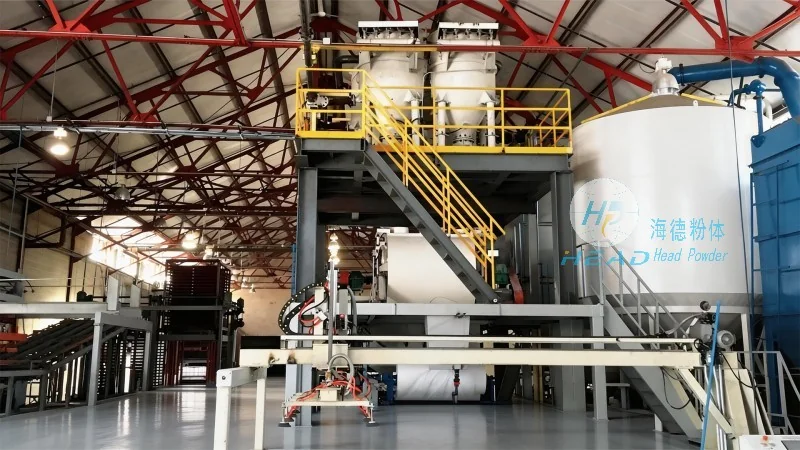
Case Study: Successful Implementation by Shandong HeadPowder Engineering Co., Ltd.
Shandong HeadPowder Engineering Co., Ltd., a leading manufacturer in the field, has successfully implemented grass material pneumatic conveying systems for several clients. One notable case involved a large-scale hay processing facility in China. The system was designed to transport chopped hay from the field to a storage silo over a distance of 500 meters. The positive pressure system, equipped with a high-efficiency blower, was able to handle the large volume of material with minimal energy consumption. The system's durability and low maintenance requirements ensured that the client achieved significant cost savings over time. This success highlights the reliability and effectiveness of the grass material pneumatic conveying systems manufactured by Shandong HeadPowder Engineering Co., Ltd.
Conclusion and Future Developments
Grass material pneumatic conveying systems continue to be a vital technology in the agricultural and processing industries, offering efficient and reliable solutions for material handling. As technology advances, these systems are becoming more sophisticated, with features such as automated control systems and advanced material sensors that enhance their performance. The continued innovation in pneumatic conveying technology ensures that these systems will remain a preferred choice for handling grass materials in the future. For businesses seeking to improve their material handling processes, investing in a well-designed grass material pneumatic conveying system can lead to significant operational efficiencies and cost savings.




