Understanding the principles of soda ash pneumatic conveying is crucial for industries that rely on efficient and reliable powder handling. This article delves into the mechanisms of pneumatic conveying systems, specifically focusing on how they transport soda ash—a vital chemical used in various industrial applications. By exploring the operational principles and benefits of such systems, readers gain insights into modern powder handling technologies that enhance productivity and safety.

What is Soda Ash?
Soda ash, also known as sodium carbonate (Na₂CO₃), is a white crystalline solid widely used in industries like glass manufacturing, chemical processing, and water treatment. Its high alkalinity and solubility make it an essential raw material in numerous production processes. The efficient transportation of soda ash from storage to processing units is critical to maintaining operational efficiency and minimizing downtime. Traditional methods like bucket elevators or belt conveyors have limitations, such as material degradation and the risk of dust exposure. Pneumatic conveying offers a more advanced solution to address these challenges.
Pneumatic Conveying Systems: The Basics
Pneumatic conveying systems use air or other gases to transport bulk materials, including powders and granules, through a pipeline. There are two primary types: dilute-phase and dense-phase systems. Dilute-phase systems rely on high-velocity air to suspend particles, while dense-phase systems use lower air velocities to push material in a plug flow. The choice between these systems depends on the material's properties, such as particle size, density, and moisture content. For soda ash, which is a fine powder, dilute-phase systems are often preferred due to their ability to handle high volumes with minimal pressure drops.

How Pneumatic Conveying Works
The operation of a pneumatic conveying system involves several key components: a feeder, a blower or compressor, a pipeline, and a receiver. The process begins with the feeder, which meters the soda ash into the pipeline. The blower then generates the necessary air pressure to move the material. As the air and powder mixture travels through the pipeline, the soda ash particles are suspended and transported to the receiver, where they are collected. The system's design, including the pipeline layout and air velocity, is critical to ensuring efficient and consistent material transport. Proper maintenance and monitoring of the blower and feeder are essential to prevent system failures and maintain optimal performance.
Advantages of Pneumatic Conveying for Soda Ash
Compared to traditional mechanical conveying methods, pneumatic conveying offers several advantages for soda ash transportation. These include reduced material degradation due to minimal contact with equipment, improved safety by containing dust and preventing exposure, and enhanced flexibility in system design. The ability to transport materials over long distances without the need for multiple transfer points also contributes to operational efficiency. Additionally, pneumatic systems can be integrated with other process equipment, such as mixers or reactors, to create a seamless production line. The cost-effectiveness of pneumatic conveying, especially for high-volume applications, makes it a preferred choice for many industries.
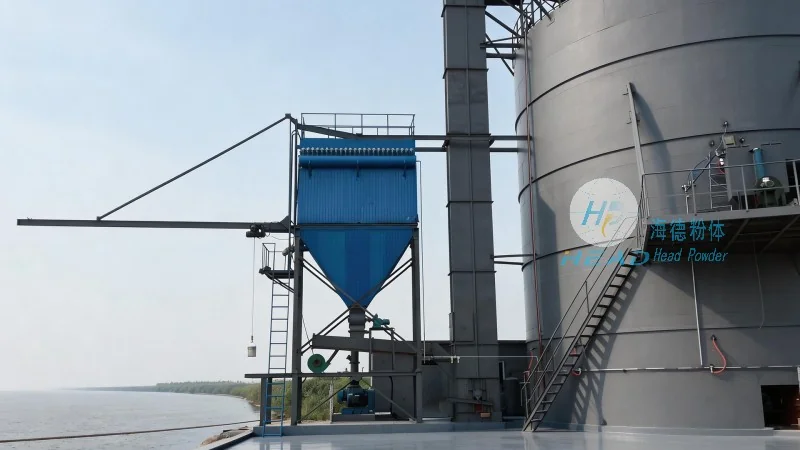
HeadPowder: Expert in Powder Handling Solutions
Shandong HeadPowder Engineering Co., Ltd., commonly known as HeadPowder, is a leading provider of customized powder handling solutions. With headquarters in Shandong, China, HeadPowder specializes in designing and manufacturing pneumatic conveying systems tailored to the unique needs of clients in various industries. The company's expertise lies in understanding the specific properties of materials like soda ash and developing systems that maximize efficiency and safety. HeadPowder's team of engineers and technicians work closely with clients to assess their requirements, from material characteristics to operational constraints, and provide tailored solutions that meet their production goals.
Customized Pneumatic Conveying Systems for Soda Ash
HeadPowder offers a range of pneumatic conveying systems designed specifically for soda ash applications. These systems are engineered to handle the challenges associated with transporting fine powders, such as dust generation and material degradation. The company's solutions include both dilute-phase and dense-phase systems, allowing clients to choose the most suitable option based on their operational needs. The systems are equipped with advanced features, such as variable speed feeders and pressure sensors, to ensure precise control over the conveying process. HeadPowder's commitment to quality and innovation ensures that their systems not only meet but exceed industry standards, providing reliable performance and long-term value.

Applications and Case Studies
The effectiveness of pneumatic conveying systems for soda ash is demonstrated in various industrial applications. For example, in glass manufacturing, soda ash is used as a key ingredient in the production of glass products. The efficient transport of soda ash from storage to the glass melting furnace is critical to maintaining production rates. HeadPowder's systems have been successfully implemented in glass factories, improving material flow and reducing downtime. Similarly, in chemical processing plants, soda ash is used in the production of detergents and other chemicals. The ability to transport soda ash safely and efficiently enhances the overall productivity of these plants. HeadPowder's case studies highlight the tangible benefits of their systems, including increased throughput, reduced maintenance costs, and improved workplace safety.
Conclusion: The Future of Powder Handling
Pneumatic conveying systems represent a significant advancement in powder handling technology, offering efficient and safe solutions for industries that rely on bulk materials like soda ash. As demand for such systems continues to grow, companies like HeadPowder play a vital role in providing customized solutions that meet the evolving needs of the market. By understanding the operational principles and benefits of pneumatic conveying, industries can enhance their productivity, reduce costs, and improve overall operational efficiency. The integration of advanced technologies and expert engineering ensures that pneumatic conveying systems remain a reliable choice for the future of powder handling.




