HeadPowder Engineering Co., Ltd. is a professional manufacturer and supplier specializing in pneumatic conveying systems for various industrial applications. With a focus on innovation and quality, the company has established itself as a trusted partner in the field of material handling solutions. Located in Shandong, China, HeadPowder leverages advanced technology and extensive industry experience to deliver efficient and reliable pneumatic conveying equipment tailored to customer needs.

Understanding Pneumatic Conveying Systems for Coal and Sand
Pneumatic conveying systems are essential for transporting bulk materials like coal and sand over short to medium distances. These systems utilize air or gas as the conveying medium to move particles through a pipeline network. The technology offers several advantages over traditional mechanical conveying methods, including reduced maintenance, lower energy consumption, and the ability to handle materials with high moisture content or abrasive properties.
Key Components of a Coal and Sand Pneumatic Conveying Line
The structure of a typical coal and sand pneumatic conveying system includes several critical components that work in tandem to ensure smooth material transport. The primary components are the material feed hopper, the air compressor or blower, the conveying pipeline, the separation and collection equipment, and the control system. Each component plays a vital role in the overall operation of the system.
Material Feed Hopper
The material feed hopper is the initial component where coal or sand is loaded. It is designed to store and feed the bulk material into the conveying line at a controlled rate. The hopper typically features a hopper body with a discharge valve or gate that regulates the flow of material. Some designs include a pre-separation section to remove large debris or oversized particles before they enter the pipeline, ensuring consistent material quality and preventing blockages.
Air Compressor or Blower
The air compressor or blower is the heart of the pneumatic conveying system, responsible for generating the necessary airflow to move the material. It can be a positive displacement blower or a centrifugal fan, depending on the system's requirements. The blower creates a pressure differential within the pipeline, drawing the material particles into the air stream and propelling them forward. The choice of compressor type depends on factors such as the material's density, particle size, and the distance to be conveyed.

Conveying Pipeline
The conveying pipeline is the main channel through which the material and air travel. It is typically made of durable materials like stainless steel or high-density polyethylene (HDPE) to withstand the abrasive nature of coal and sand. The pipeline is designed with smooth inner surfaces to minimize friction and prevent material buildup. The pipeline layout includes bends, elbows, and straight sections, which are strategically placed to guide the material flow efficiently. The system may also incorporate expansion joints or flexible connectors to accommodate thermal expansion and reduce stress on the pipeline.
Separation and Collection Equipment
At the receiving end of the conveying line, separation and collection equipment is used to separate the material from the air stream and collect it in a storage bin or silo. This equipment typically includes a cyclone separator or a baghouse filter. The cyclone separator uses centrifugal force to separate the material from the air, directing the material to a collection hopper while allowing the air to exit through a vent. The baghouse filter further cleans the air by trapping fine particles, ensuring compliance with environmental regulations and maintaining air quality in the workplace.
Control System
The control system is responsible for monitoring and regulating the operation of the pneumatic conveying system. It includes sensors, valves, and a control panel that allows operators to adjust parameters such as airflow, material feed rate, and pressure. The system may also include safety features like pressure relief valves and emergency shut-off switches to prevent accidents and protect equipment. Modern control systems often incorporate automation and digital monitoring, enabling real-time data collection and remote operation for enhanced efficiency and reliability.
Working Principle of the Pneumatic Conveying Process
The working principle of a coal and sand pneumatic conveying system involves several steps. First, the material is fed from the hopper into the pipeline. The air compressor then generates the necessary airflow, which draws the material particles into the air stream. As the material is entrained by the air, it is propelled through the pipeline to the receiving end. At the end of the line, the cyclone separator separates the material from the air, and the material is collected in a storage bin. The air, now free of material particles, is filtered and released back into the environment. This continuous cycle ensures efficient and consistent material transport.
Advantages of Using Pneumatic Conveying for Coal and Sand
Pneumatic conveying systems offer several advantages when handling coal and sand. These include the ability to transport materials over long distances without the need for multiple transfer points, reduced labor costs due to automated operation, and improved safety by eliminating the need for manual handling of bulk materials. Additionally, the system can handle materials with varying particle sizes and moisture content, making it versatile for different industrial applications. The low maintenance requirements and energy efficiency of pneumatic conveying also contribute to cost savings over time.
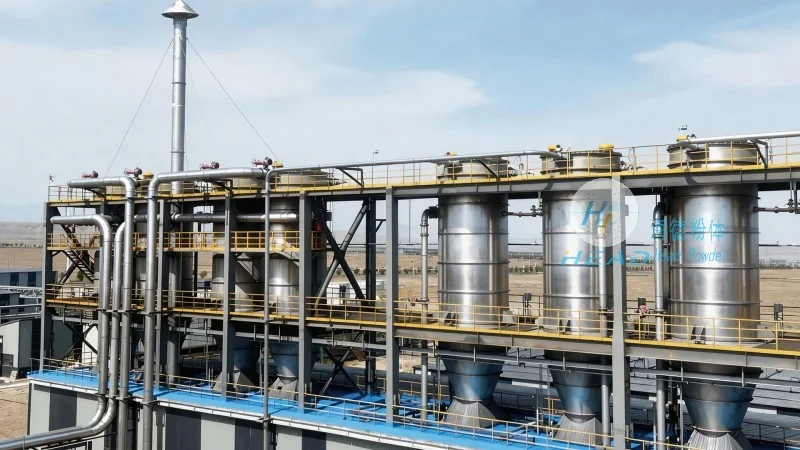
Applications in Industrial Settings
Coal and sand pneumatic conveying systems are widely used in various industrial sectors, including mining, construction, and power generation. In the mining industry, these systems are used to transport coal from mines to processing facilities or storage areas. In construction, they are employed to move sand and gravel from quarries to construction sites. The power generation industry utilizes pneumatic conveying for transporting coal to boilers and ash from power plants. The versatility and efficiency of these systems make them a preferred choice for material handling in these industries.
Customization and Integration with Other Systems
HeadPowder Engineering Co., Ltd. offers customized pneumatic conveying solutions tailored to specific customer requirements. The company can integrate the conveying system with other equipment such as crushers, screens, or storage silos to create a complete material handling system. This integration ensures seamless operation and maximizes efficiency in the overall production process. The company's engineers work closely with clients to understand their operational needs and design a system that meets their specific requirements, whether it's for short-distance transport or long-distance bulk material handling.
Quality Assurance and Maintenance
HeadPowder places a strong emphasis on quality assurance and maintenance to ensure the longevity and reliability of its pneumatic conveying systems. The company uses high-quality materials and components in the construction of its equipment, and each system undergoes rigorous testing before delivery. Regular maintenance is recommended to keep the system operating at optimal performance. This includes checking air compressor performance, inspecting pipeline for wear or damage, and cleaning the separation and collection equipment. By following proper maintenance procedures, customers can extend the lifespan of their equipment and minimize downtime.
Conclusion
Pneumatic conveying systems for coal and sand are efficient, reliable, and versatile solutions for material handling in various industrial applications. HeadPowder Engineering Co., Ltd. provides high-quality, customized systems that meet the unique needs of its clients. With its focus on innovation, quality, and customer satisfaction, HeadPowder continues to be a leading provider of pneumatic conveying solutions in the industry. By understanding the structure and working principles of these systems, users can make informed decisions about implementing effective material handling strategies in their operations.




