Lead powder material pneumatic conveying lines are specialized systems engineered to transport lead powder efficiently and safely. These systems are critical in industries such as battery manufacturing, metallurgy, and chemical processing, where handling lead powder requires precise control and minimal product degradation. The design and operation of these lines are tailored to the unique physical properties of lead powder, including its fine particle size, potential for dust generation, and the need for controlled environmental conditions.
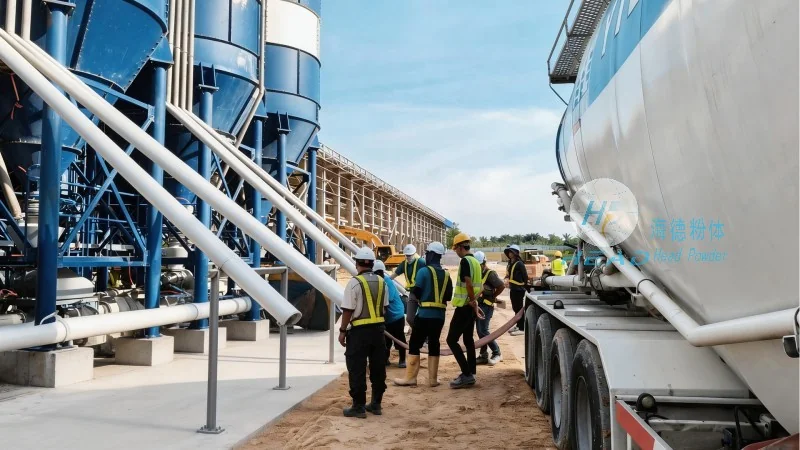
Company Overview: Shandong HeadPowder Engineering Co., Ltd.
HeadPowder, a leading engineering firm headquartered in Shandong, China, specializes in the design, manufacturing, and installation of advanced material handling systems. With a strong focus on lead powder processing, the company has developed expertise in creating customized pneumatic conveying solutions that meet the specific needs of clients in the lead industry. The company's commitment to quality, innovation, and customer satisfaction has established it as a trusted partner for businesses seeking reliable and efficient lead powder handling solutions.
Key Features of Lead Powder Pneumatic Conveying Systems
Lead powder material pneumatic conveying lines are engineered to address the challenges associated with lead powder, including its fine particle size, tendency to form dust, and the need for controlled transport conditions. The systems typically incorporate high-quality components such as robust pipelines, efficient air compressors or vacuum pumps, and advanced separation equipment. These features ensure that the lead powder is transported with minimal loss, reduced contamination, and consistent quality throughout the process. The design also prioritizes safety and environmental compliance, with features like dust filtration and proper air management.

Operation Process of Lead Powder Pneumatic Conveying Lines
The operation of a lead powder pneumatic conveying line involves a series of coordinated steps to ensure smooth and continuous material transport. The process begins with the feeding of lead powder into the system, which is then drawn or pushed through the conveying pipeline by a powerful air stream generated by the system's compressor or vacuum pump. The lead powder particles are suspended in the air and travel through the pipeline to the discharge point. At the receiving end, the air and lead powder are separated, with the lead powder collected in a designated container and the air either released or filtered for safety and environmental compliance. This process ensures that the lead powder is transported without clogging or degradation, maintaining its integrity throughout the journey.
Working Principle of Pneumatic Conveying for Lead Powder
The working principle of lead powder pneumatic conveying lines is based on the fundamental concept of transporting solid particles using a gas stream. There are two primary modes of operation: suction (or vacuum) conveying and pressure (or positive) conveying. In suction conveying, a vacuum is created at the inlet to draw the lead powder into the system, while in pressure conveying, compressed air pushes the material through the pipeline. Both methods rely on the balance between the air velocity and the particle size and density of the lead powder to achieve effective transport. The system's design, including pipe diameter, air flow rate, and pressure differentials, is carefully optimized to ensure that the lead powder remains in suspension and travels without clogging or degradation. This optimization is crucial for maintaining the efficiency and reliability of the conveying process.

System Components and Their Roles
A typical lead powder pneumatic conveying line consists of several critical components, each playing a vital role in the overall operation. These components include the material feed hopper, which provides a controlled feed of lead powder into the system; the air compressor or vacuum pump, which generates the necessary air pressure or vacuum; the conveying pipeline, which transports the lead powder; the separation unit, such as a cyclone or filter, which separates the lead powder from the air; and the discharge hopper or container, where the lead powder is collected. Each component is selected based on the specific characteristics of the lead powder and the operational requirements of the system, ensuring optimal performance and reliability. For example, the feed hopper is designed to minimize material buildup and ensure consistent feeding, while the separation unit is engineered to efficiently separate the lead powder from the air stream.
Advantages of Using Pneumatic Conveying for Lead Powder
Implementing a lead powder pneumatic conveying line offers several advantages over traditional material handling methods. These include the ability to transport lead powder over long distances without the need for mechanical components like conveyor belts or buckets, which can be prone to wear and tear. The system also provides a dust-free environment, reducing the risk of lead dust exposure and improving workplace safety. Additionally, pneumatic conveying allows for precise control over the flow rate and pressure, enabling consistent and uniform material transport. This results in improved product quality, reduced downtime, and lower maintenance costs for the end-user. Furthermore, the system's flexibility allows for easy integration into existing production lines, minimizing disruption during installation and operation.
Applications and Industries Served
Lead powder pneumatic conveying lines are widely used in various industries that require the handling of lead powder. In the battery manufacturing industry, these systems are essential for transporting lead powder to the production lines for battery production. In metallurgy, they are used for transporting lead powder in smelting and refining processes. The chemical processing industry also utilizes these systems for handling lead-based compounds in various applications. The versatility of the lead powder pneumatic conveying line makes it suitable for a wide range of industrial applications, ensuring efficient and reliable material transport in diverse environments. From small-scale operations to large industrial plants, the system can be customized to meet the specific needs of different clients.

Maintenance and Safety Considerations
Proper maintenance and safety measures are crucial for the long-term operation of lead powder pneumatic conveying lines. Regular inspection and maintenance of the system components, such as the air compressor, pipelines, and separation units, are necessary to ensure optimal performance and prevent breakdowns. Safety considerations are also paramount due to the potential hazards associated with lead powder, including dust exposure and inhalation risks. The system should be equipped with appropriate filtration and ventilation systems to minimize dust emissions and ensure a safe working environment. Additionally, proper training for operators on the safe operation and maintenance of the system is essential to prevent accidents and ensure compliance with safety regulations. Regular cleaning and inspection of the pipelines and separation units are also important to prevent clogging and maintain the efficiency of the system.
Conclusion
Lead powder material pneumatic conveying lines are sophisticated systems that play a vital role in the efficient and safe handling of lead powder in various industrial applications. The operation process and working principle of these systems are designed to address the unique challenges associated with lead powder, ensuring reliable and consistent material transport. With the expertise of companies like Shandong HeadPowder Engineering Co., Ltd., businesses can benefit from customized pneumatic conveying solutions that meet their specific needs and enhance their operational efficiency. By understanding the operation and principles of these systems, industries can optimize their lead powder handling processes and achieve better results in their production and processing activities. The continued development and refinement of these systems will further improve their performance and reliability, making them an essential component of modern lead powder handling operations.




