The pneumatic conveying line for sodium hexafluorophosphate powder is a specialized system designed to transport fine powder materials efficiently and safely. This system is widely used in chemical processing industries, particularly for handling sodium hexafluorophosphate, a key raw material in lithium-ion battery production. The operation of such a system involves several critical components and steps that ensure smooth material transfer from the source to the destination.
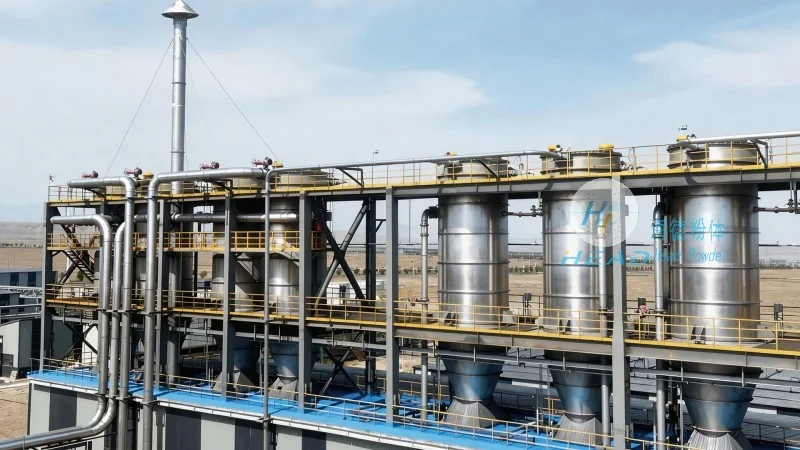
Key Components of the Pneumatic Conveying Line
The system typically consists of several essential components, each playing a vital role in the overall operation. These include the material hopper, which stores the sodium hexafluorophosphate powder; a rotary valve or feeder that controls the flow of powder into the conveying line; a pipeline network that transports the powder; a blower or air compressor that provides the necessary air pressure; and a receiver or discharge hopper where the material is collected. Additionally, the system may incorporate filters and dust collectors to maintain air quality and prevent material loss.
Working Principle of the Pneumatic Conveying Process
The working principle of the pneumatic conveying line is based on the use of compressed air to move the powder particles through the pipeline. When the blower starts, it generates a high-pressure air stream that enters the pipeline. The rotary valve then releases a controlled amount of sodium hexafluorophosphate powder into the pipeline, where the air stream entrains the powder particles, forming a dense phase or dilute phase conveying system depending on the operating conditions. The powder-air mixture travels through the pipeline to the receiver, where the air is separated from the powder, typically through a cyclone or filter system. The separated air is then discharged, while the powder is collected in the receiver hopper.

Operation Process of the System
The operation process of the sodium hexafluorophosphate powder pneumatic conveying line involves several sequential steps. First, the material hopper is filled with sodium hexafluorophosphate powder. The rotary valve is then set to the appropriate flow rate, which is determined based on the required material throughput. The blower is activated, and the compressed air is introduced into the pipeline. As the powder is released from the hopper, it is entrained by the air stream and conveyed to the receiver. The system continuously operates until the material in the hopper is depleted or the required amount has been transferred. During operation, the system parameters, such as air pressure and flow rate, are monitored to ensure optimal performance and prevent issues like blockages or material degradation.

Advantages of Using a Pneumatic Conveying Line for Sodium Hexafluorophosphate
Implementing a pneumatic conveying line for sodium hexafluorophosphate offers several advantages over traditional mechanical conveying methods. These include reduced risk of material contamination due to enclosed systems, lower labor costs as the process is automated, and improved safety by minimizing human exposure to the powder. Additionally, the system allows for precise control over the material flow rate, ensuring consistent quality in downstream processes. The enclosed design also helps in maintaining a clean environment, which is crucial for applications where material purity is critical, such as in battery manufacturing.
About HeadPowder: The Engineering Expertise
HeadPowder, or Shandong HeadPowder Engineering Co., Ltd., is a leading provider of specialized engineering solutions for powder handling systems. With a focus on industrial applications, the company has extensive experience in designing and manufacturing pneumatic conveying lines tailored to the needs of various industries, including chemical and battery manufacturing. HeadPowder's team of engineers and technicians work closely with clients to understand their specific requirements and develop customized solutions that optimize material handling efficiency and safety. The company's facilities are located in Shandong, China, where it leverages advanced technology and quality control processes to deliver reliable and high-performance systems.




