Denitrification urea material conveying systems are critical components in industrial processes, particularly in power plants and chemical facilities where nitrogen oxide reduction is essential. These systems are designed to transport urea, a key reagent used in selective catalytic reduction (SCR) systems for flue gas denitrification. The efficient operation of such systems ensures optimal performance of the denitrification process, contributing to environmental compliance and operational efficiency.
Key Components and Their Roles
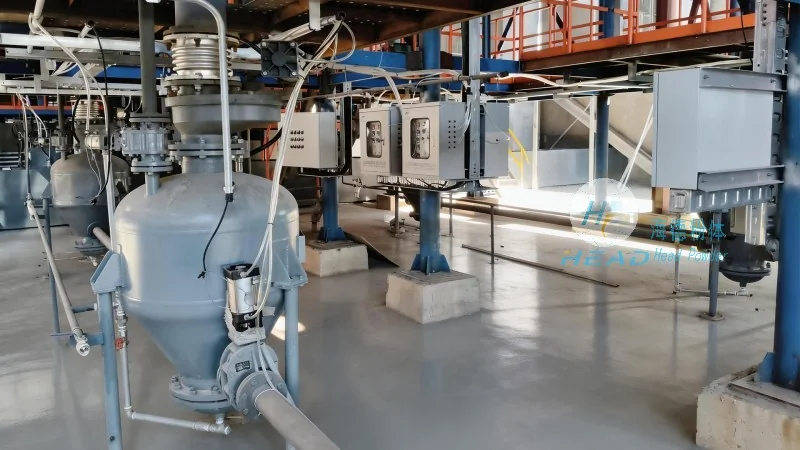
The denitrification urea material conveying system typically consists of several interconnected components, each playing a vital role in the overall process. These components include storage silos, feeding mechanisms, conveying equipment (such as screw conveyors or pneumatic systems), and control systems. The storage silos are used to hold the urea granules or prills, providing a buffer to maintain a steady supply to the conveying system. The feeding mechanisms, often equipped with rotary valves or gate valves, regulate the flow of urea from the silo to the conveyor. The conveying equipment transports the urea from the storage area to the injection point in the flue gas system. Control systems monitor and adjust the flow rates, ensuring precise dosing of urea for effective denitrification.

Operation Process of the Conveying System
The operation of a denitrification urea material conveying system follows a systematic sequence to ensure continuous and reliable supply of urea. The process begins with the loading of urea into the storage silo, which is typically done using bulk trucks or bulk bags. Once the silo is filled, the feeding mechanism starts to draw urea from the silo. The rotary valve or gate valve controls the flow rate, preventing overfilling or underflow. The conveying equipment then transports the urea through a pipeline or conveyor belt to the injection point. In pneumatic conveying systems, compressed air is used to move the urea particles through the pipeline, while screw conveyors use rotating screws to push the material forward. The control system continuously monitors the flow rate, pressure, and temperature to maintain optimal conditions. Any deviations are automatically adjusted to keep the system running smoothly. The urea is then injected into the flue gas stream at the appropriate point, where it reacts with nitrogen oxides to form harmless nitrogen and water, reducing emissions.

Working Principle of the Conveying System
The working principle of the denitrification urea material conveying system is based on the principles of material handling and fluid dynamics. For pneumatic conveying systems, the urea particles are suspended in a stream of air and transported through the pipeline. The air pressure and velocity are carefully controlled to ensure the particles are carried without excessive wear or degradation. The screw conveyor system operates on the principle of mechanical displacement, where the rotating screws push the urea forward, maintaining a consistent flow rate. The control system uses sensors to measure the flow rate and adjust the motor speed or air pressure as needed. The entire system is designed to be energy-efficient and low-maintenance, with components that are resistant to corrosion and abrasion from the urea particles. The system's reliability is crucial, as any interruption in urea supply can lead to reduced denitrification efficiency and increased emissions.

Importance of System Maintenance and Optimization
Maintaining the denitrification urea material conveying system is essential for ensuring long-term performance and reliability. Regular inspections and maintenance of components such as rotary valves, conveyor screws, and air filters are necessary to prevent blockages, wear, and inefficiencies. The control system should be calibrated regularly to ensure accurate flow rate measurements and adjustments. HeadPowder, a leading provider of industrial material handling solutions, offers comprehensive maintenance services and technical support to help clients optimize their urea conveying systems. By adhering to proper maintenance procedures, facilities can extend the lifespan of their equipment, reduce downtime, and maintain compliance with environmental regulations.




