HeadPowder, the professional brand under Shandong HeadPowder Engineering Co., Ltd., specializes in providing advanced material handling solutions for industries dealing with mica sand. With a strong presence in China, particularly in Shandong, the company has established itself as a trusted provider of efficient and reliable conveying systems. The following content explores the operation process and working principle of mica sand material conveying, highlighting the technical aspects and operational efficiency of such systems.

Overview of Mica Sand Material Conveying Systems
Mica sand, a naturally occurring mineral with unique properties, is widely used in various industrial applications, including coatings, ceramics, and construction materials. Efficient transportation of mica sand from production sites to processing facilities or storage areas is crucial for maintaining production continuity and ensuring product quality. Mica sand material conveying systems are designed to handle the specific characteristics of this material, such as its light weight, abrasive nature, and tendency to generate dust. These systems typically consist of several key components, including feeders, conveyors, control panels, and discharge mechanisms, all working in tandem to ensure smooth and continuous material flow.
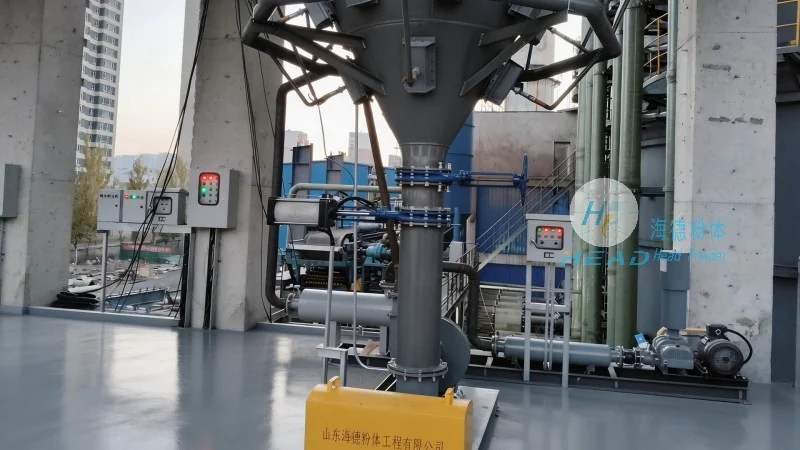
Operation Process of Mica Sand Material Conveying
The operation process of a mica sand material conveying system involves several sequential steps, each critical to the overall efficiency and reliability of the system. The process begins with the feeding of mica sand into the system. This is usually done using a hopper or a rotary feeder, which ensures a uniform and controlled flow of material into the conveyor. The feeder is designed to handle the bulk density and flow characteristics of mica sand, preventing blockages and ensuring consistent feed rates. Once the material is fed into the conveyor, the system's drive mechanism activates, typically through an electric motor connected to a gearbox or a direct drive system. The conveyor belt or the rotating drum of the conveyor then moves the mica sand along the designated path. During the conveying process, the system may include intermediate transfer points or elevation changes, which are managed by additional components like belt tensioners, idlers, and vertical lift mechanisms. The control panel monitors the system's performance in real-time, adjusting parameters such as speed, pressure, and flow rate to maintain optimal operation. At the end of the conveying path, the mica sand is discharged into a storage silo or a processing unit. The discharge mechanism, often a gate valve or a rotary airlock, ensures that the material is released in a controlled manner, preventing spillage and maintaining a clean working environment.

Working Principle of Mica Sand Material Conveying Systems
The working principle of mica sand material conveying systems is based on the mechanical transfer of material using conveyor components. The primary function is to move bulk mica sand from one location to another with minimal human intervention. The system operates by converting electrical energy into mechanical energy, which drives the conveyor mechanism. The key components and their roles are as follows: Feeders: These devices, such as screw feeders or vibrating feeders, regulate the intake of mica sand from the source, ensuring a steady flow into the conveyor. Conveyors: The core component of the system, conveyors can be classified into different types based on the application, including belt conveyors, screw conveyors, and bucket elevators. For mica sand, belt conveyors are commonly used due to their ability to handle light and abrasive materials efficiently. The conveyor belt, made of durable materials like rubber or PVC, carries the mica sand along its length. Drive Units: These units, including electric motors and gearboxes, provide the necessary power to move the conveyor belt. The speed of the conveyor can be adjusted to control the material flow rate, which is crucial for maintaining consistent production rates. Control Systems: Modern mica sand conveying systems are equipped with advanced control panels that monitor various parameters, such as speed, tension, and temperature. These systems use sensors and feedback mechanisms to adjust the operation in real-time, ensuring optimal performance and preventing equipment damage. Discharge Mechanisms: At the end of the conveyor, discharge devices like rotary valves or gate valves regulate the release of mica sand into the next stage of processing or storage. These mechanisms prevent backflow and ensure that the material is discharged in a controlled manner, maintaining a clean and safe environment.
Key Features and Benefits of Mica Sand Conveying Systems
Mica sand material conveying systems designed by HeadPowder offer several key features and benefits that enhance operational efficiency and product quality. One of the primary advantages is the ability to handle the unique characteristics of mica sand, such as its light weight and abrasive nature, without causing excessive wear or damage to the equipment. The systems are constructed using high-quality materials, such as stainless steel or corrosion-resistant alloys, which ensure durability and longevity. Additionally, the design of the conveying components, including the belt and idlers, minimizes friction and wear, reducing maintenance costs and downtime. The control systems are user-friendly and provide real-time monitoring, allowing operators to quickly identify and address any issues that may arise. This proactive approach to maintenance helps to prevent breakdowns and ensures continuous production. Another significant benefit is the ability to integrate the conveying system with other processing equipment, creating a seamless material flow from extraction to final product. This integration improves overall production efficiency and reduces the risk of material loss or contamination. The systems are also designed to be compact and space-efficient, making them suitable for various industrial settings, from small-scale operations to large-scale manufacturing facilities.

Conclusion
In conclusion, the operation process and working principle of mica sand material conveying systems are critical to the efficient handling of this valuable mineral. HeadPowder, as a leading provider of such systems, leverages advanced technology and engineering expertise to deliver reliable and high-performance solutions. By understanding the specific requirements of mica sand and designing systems that address these needs, HeadPowder ensures that clients can achieve optimal material flow, reduced operational costs, and improved product quality. The company's commitment to quality and innovation makes it a trusted partner for industries relying on mica sand in their production processes.




