Iron oxide, a key industrial material, often requires efficient and reliable transportation methods to ensure smooth production processes. The pneumatic conveying system, a technology widely used in material handling, offers a solution that combines precision, safety, and efficiency. This article delves into the operation process and working principle of an iron oxide pneumatic conveying system, highlighting its components, operational flow, and the technical aspects that make it a preferred choice in industrial applications.
About Shandong HeadPowder Engineering Co., Ltd.
As a leading manufacturer in the field of material handling equipment, Shandong HeadPowder Engineering Co., Ltd. specializes in designing and manufacturing advanced pneumatic conveying systems tailored to meet the specific needs of various industries. With a strong commitment to quality and innovation, the company has established itself as a trusted partner for businesses seeking reliable solutions for material transport. HeadPowder's expertise lies in understanding the unique challenges of handling iron oxide and other bulk materials, enabling them to develop systems that optimize performance while ensuring safety and durability.
Key Components of the Iron Oxide Pneumatic Conveying System
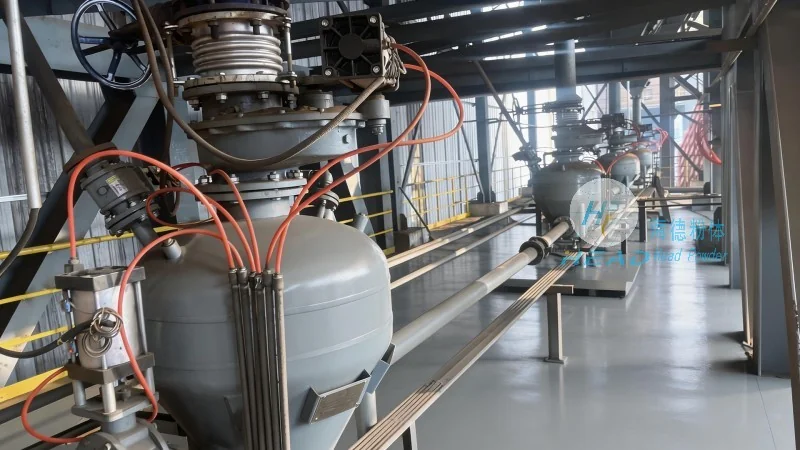
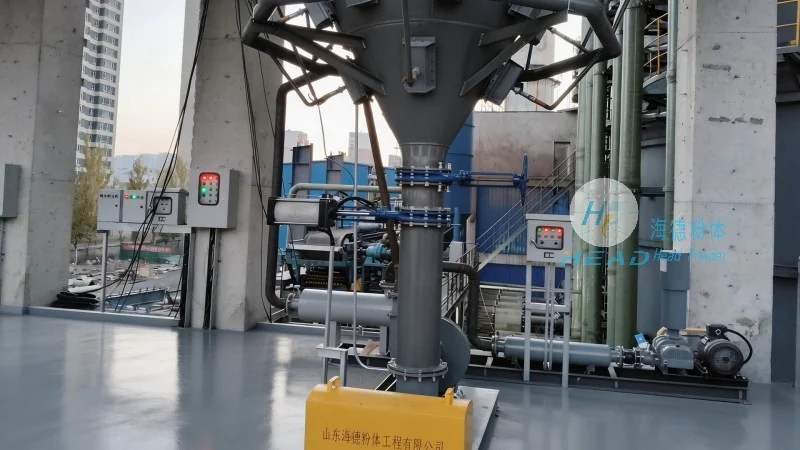
The iron oxide pneumatic conveying system consists of several critical components that work in harmony to transport the material from the source to the destination. These components include the hopper, which serves as the storage and feeding unit, the air compressor or blower that generates the necessary air pressure, the conveying line (usually made of metal or plastic pipes), and the receiver or discharge unit where the material is deposited. Each component plays a vital role in the overall operation, and their proper integration is essential for the system's effectiveness.

Operation Process of the Iron Oxide Pneumatic Conveying System
The operation of the iron oxide pneumatic conveying system follows a systematic process that ensures consistent and efficient material transport. The process begins with the material being fed into the hopper from a storage silo or container. A feeder, typically a screw or rotary valve, controls the flow of iron oxide into the conveying line, ensuring a steady and controlled rate of material discharge. Simultaneously, the air compressor or blower generates high-pressure air, which is introduced into the conveying line. The air and material are then mixed, creating a slurry-like mixture that travels through the pipes under pressure. As the mixture moves, it reaches the receiver or discharge unit, where the air is separated from the material, and the iron oxide is collected in the designated container. The system is designed to maintain consistent air pressure and flow rates, minimizing the risk of blockages or material degradation.
Working Principle of the Iron Oxide Pneumatic Conveying System
The working principle of the iron oxide pneumatic conveying system is based on the principles of fluid dynamics and air pressure. The system operates by using compressed air to create a flow that propels the iron oxide particles through the conveying line. The air pressure is maintained at a level sufficient to overcome the resistance of the material and the pipe, ensuring that the material moves smoothly without clogging. The design of the system, including the size and shape of the pipes, the angle of the conveying line, and the type of air inlet and outlet, all contribute to the efficient transport of the material. The system also incorporates features such as air filters and moisture separators to maintain the quality of the iron oxide and prevent contamination. Additionally, the system is equipped with safety devices, such as pressure relief valves and flow monitors, to ensure safe operation and prevent accidents.

Advantages of Using an Iron Oxide Pneumatic Conveying System
Implementing an iron oxide pneumatic conveying system offers several advantages over traditional material handling methods. One of the primary benefits is the ability to transport the material in a closed system, which minimizes dust emissions and protects the material from contamination. This is particularly important for iron oxide, which can be sensitive to moisture and other environmental factors. The system also allows for precise control over the flow rate and pressure, enabling operators to adjust the transport speed according to the specific requirements of the process. Furthermore, the pneumatic conveying system is highly flexible, as it can be easily integrated with existing production lines and adapted to different material types and quantities. The system's compact design and low maintenance requirements also contribute to its cost-effectiveness, making it an attractive option for businesses looking to optimize their material handling operations.
Applications of Iron Oxide Pneumatic Conveying Systems
The iron oxide pneumatic conveying system is widely used in various industries that handle bulk materials, including mining, chemical processing, and manufacturing. In the mining industry, the system is used to transport iron oxide from ore processing facilities to storage or processing plants. In the chemical industry, it is employed to move iron oxide used in the production of pigments, coatings, and other chemical products. The manufacturing sector also utilizes the system for transporting iron oxide used in the production of ceramics, paints, and other industrial materials. The versatility of the system makes it suitable for a wide range of applications, and its ability to handle different material sizes and densities ensures its effectiveness in various industrial settings.
Conclusion
In conclusion, the iron oxide pneumatic conveying system is a sophisticated and efficient solution for transporting iron oxide in industrial applications. With its systematic operation process and well-defined working principles, the system ensures reliable and safe material transport. Shandong HeadPowder Engineering Co., Ltd. has demonstrated expertise in designing and manufacturing such systems, providing businesses with high-quality equipment that meets their specific needs. By understanding the components, operation, and advantages of the system, industries can make informed decisions about implementing pneumatic conveying systems to enhance their material handling processes and improve overall operational efficiency.




