Understanding the operation process and working principle of dry powder pneumatic conveying systems is crucial for industries that rely on efficient material handling. These systems are designed to transport dry powders and granular materials through a pipeline using air or other gas as the conveying medium. The technology offers a flexible and effective solution for moving bulk materials over short to medium distances, often with minimal maintenance requirements.

Key Components of a Pneumatic Conveying System
A typical dry powder pneumatic conveying system consists of several essential components that work in tandem to ensure smooth material transport. The primary components include a material feed hopper, a conveying pipeline, a blower or compressor to generate the air flow, a control valve system, and a discharge device. Each component plays a vital role in the overall system performance and efficiency.

The Working Principle of Dry Powder Conveying
The core working principle of a dry powder pneumatic conveying system involves creating a pressure differential within the pipeline. The blower or compressor supplies compressed air, which is then introduced into the material feed hopper. As the air flows through the hopper, it lifts and suspends the dry powder particles, converting them into a fluidized or aerated state. This suspension allows the particles to be carried along the pipeline by the air stream. The system typically operates under either positive pressure or negative pressure (suction) depending on the application requirements and material characteristics.
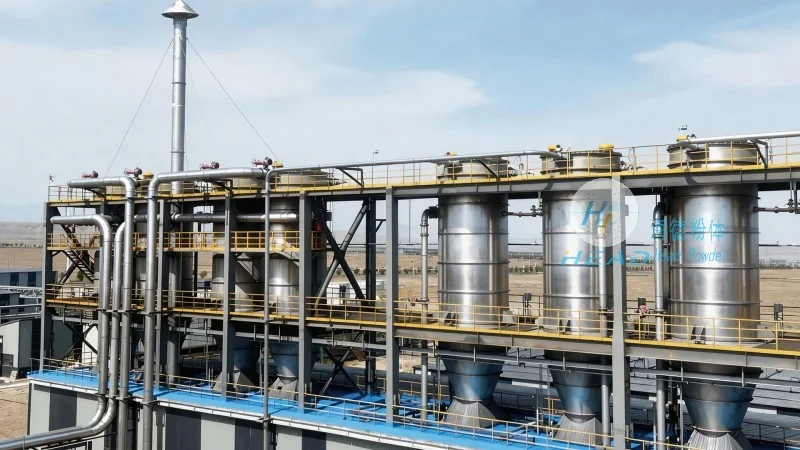
Operation Process of the System
The operation process of a dry powder pneumatic conveying system begins with the loading of the dry powder material into the feed hopper. The material is then fed into the pipeline as the air flow is initiated by the blower. The air flow ensures that the powder is continuously transported from the source to the discharge point. The control valve system regulates the air pressure and flow rate to maintain optimal conveying conditions, preventing issues such as blockages or material degradation. The discharge device at the end of the pipeline collects the conveyed powder and discharges it into the target container or processing equipment.
Benefits and Applications of Pneumatic Conveying
Dry powder pneumatic conveying systems offer numerous benefits, including high efficiency in material transport, minimal product contamination, and the ability to handle a wide range of materials. These systems are widely used in various industries, including pharmaceuticals, food processing, chemical manufacturing, and mining. The flexibility of pneumatic conveying allows for easy integration into existing production lines and can be adapted to different material types and conveying distances.

Company Profile: Shandong HeadPowder Engineering Co., Ltd.
Shandong HeadPowder Engineering Co., Ltd., operating under the brand name headpowder, specializes in the design, manufacturing, and installation of advanced pneumatic conveying systems. With a focus on innovation and quality, the company provides customized solutions tailored to the specific needs of its clients. Headpowder's expertise in dry powder handling technology ensures reliable and efficient material transport solutions for industries worldwide. The company's facilities are located in Shandong, China, where it leverages local resources and expertise to deliver high-performance conveying systems.




