Steel and lime powder conveying systems are critical components in industrial processes, particularly within the steel manufacturing and processing sectors. These systems are designed to efficiently transport bulk powders such as steel powders and lime, which are essential raw materials or additives in various production stages. The effectiveness of these systems directly impacts operational efficiency, material handling costs, and overall production quality. This article explores the fundamental principles behind steel and lime powder conveying systems, as well as the key characteristics of their working environments, to provide a comprehensive understanding of their applications and advantages. The systems are typically provided by companies like Shandong HeadPowder Engineering Co., Ltd., a leading manufacturer based in Shandong, China, specializing in customized material handling solutions for diverse industrial needs.

Overview of Steel and Lime Powder Conveying Systems
Steel and lime powder conveying systems are engineered to handle the transportation of fine, dry powders from one location to another within industrial facilities. These systems typically consist of several key components, including hoppers for material storage, feeders to control the flow rate, conveying mechanisms (such as pneumatic or mechanical systems), and discharge points for material delivery. The primary goal is to ensure a continuous, reliable, and low-downtime operation, minimizing the risk of material degradation or loss during transport. The design of these systems is tailored to the specific properties of the materials being conveyed, such as particle size, density, and moisture content, to optimize performance and durability.
Principles of Operation
The operation of steel and lime powder conveying systems is based on fundamental principles of fluidization, pneumatic transport, and mechanical handling. In pneumatic conveying systems, for example, air is used as the conveying medium to move powders through pipelines. The system works by creating a pressure differential between the inlet and outlet, which propels the powder particles along the pipeline. This method is particularly effective for transporting fine powders over moderate distances, as it minimizes material degradation and reduces the need for mechanical components that could cause wear or contamination. The air velocity and pressure levels are carefully controlled to ensure efficient transport without causing excessive pressure drops or material degradation.

Another common principle involves mechanical conveying, where materials are transported using screw conveyors, belt conveyors, or bucket elevators. These systems rely on mechanical force to move powders, often with the assistance of gravity or additional power sources. Mechanical conveyors are well-suited for transporting bulkier or more abrasive powders and can handle larger volumes with higher efficiency in certain applications. The design of mechanical conveyors includes features such as variable speed drives and material flow sensors to adjust the conveying rate based on real-time conditions.
Working Scene Characteristics
The working environments for steel and lime powder conveying systems vary significantly based on the specific industrial application. In steel manufacturing plants, these systems are often integrated into the production line to transport raw materials or additives to furnaces, reactors, or storage silos. The working conditions may involve high temperatures, high humidity, or exposure to corrosive substances, requiring robust materials and designs to ensure durability and reliability. For instance, in basic oxygen furnaces (BOFs), lime powder is conveyed to the furnace to aid in slag formation and desulfurization processes. The conveying system must withstand high temperatures and the presence of molten slag, necessitating materials like stainless steel or heat-resistant alloys.
In the context of lime processing facilities, the conveying systems must handle lime powders, which can be hygroscopic and reactive. The working environment may include dust control measures, as lime powders are fine and can cause respiratory issues if not properly contained. Additionally, the systems may need to operate in areas with high noise levels or vibrations, necessitating noise reduction and vibration damping features in the design. The dust control systems often include bag filters or cyclone separators to prevent dust emissions and protect the environment and personnel.

Key Features and Advantages
Steel and lime powder conveying systems offer several advantages that make them indispensable in industrial settings. One of the primary benefits is their ability to handle bulk materials efficiently, reducing labor costs and minimizing the risk of material spillage or loss. The systems are also designed for low maintenance, with components that are easy to access and replace, which helps to reduce downtime and operational costs. For example, the use of wear-resistant liners in pneumatic conveying pipelines can extend the service life of the system and reduce the frequency of maintenance.
Another advantage is the flexibility in system design, allowing customization based on the specific requirements of the industrial process. This includes the ability to adjust the conveying speed, volume, and direction of material flow to match the production needs. Modern systems often incorporate advanced control technologies, such as sensors and automation, to enhance operational efficiency and safety. These technologies can monitor system performance in real-time, detect anomalies, and initiate corrective actions to prevent equipment failure or material blockages.
Application Examples
Steel and lime powder conveying systems are widely used in various industrial applications. For instance, in steel mills, these systems are used to transport lime powders to basic oxygen furnaces (BOFs) or electric arc furnaces (EAFs) for desulfurization and slag formation. The efficient transport of lime ensures optimal furnace performance and reduces the formation of harmful slag, improving the quality of the final steel product. The conveying systems may also be used to transport steel powders for applications such as powder metallurgy, where the powders are used to create metal parts through sintering or other processes.
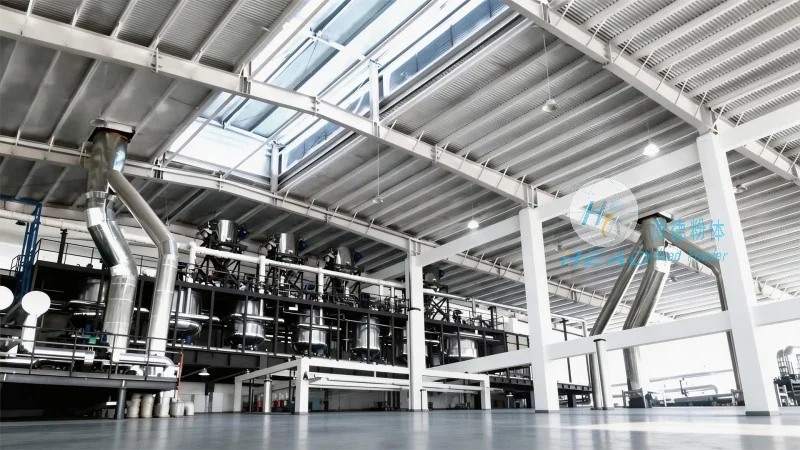
In lime processing plants, the conveying systems are used to move lime powders from storage silos to processing units, such as calciners or grinding mills. The systems help to maintain consistent material flow, ensuring that the processing equipment operates at optimal capacity and reducing the risk of material buildup or blockages. The use of automated control systems allows for precise regulation of the lime flow rate, which is critical for maintaining the quality of the final lime product.
Conclusion
Steel and lime powder conveying systems are essential for the efficient and reliable operation of industrial processes in the steel and lime industries. By understanding the principles of operation and the characteristics of their working environments, manufacturers and engineers can design and implement systems that meet the specific needs of their applications. The continuous advancement of technology in material handling has led to more efficient and sustainable conveying solutions, further enhancing the performance and reliability of these critical systems. Companies like Shandong HeadPowder Engineering Co., Ltd. play a vital role in providing customized solutions that address the unique challenges of industrial material handling, ensuring that steel and lime powder conveying systems operate at peak efficiency and safety in diverse industrial settings.




