Principle and Working Scene Characteristics of Cotton Fiber Pneumatic Conveying Equipment
Release time:2026-09-18 19:01:29
name of the company:Shandong Headpowder Engineering Co., Ltd.
telephone:156-6277-7102
contacts:Zhang manager
HeadPowder, a leading manufacturer based in Shandong, China, specializes in the design and production of advanced pneumatic conveying systems tailored for cotton fiber handling. This article explores the fundamental principles behind these systems and highlights the key working scene characteristics that define their application in various industrial settings.
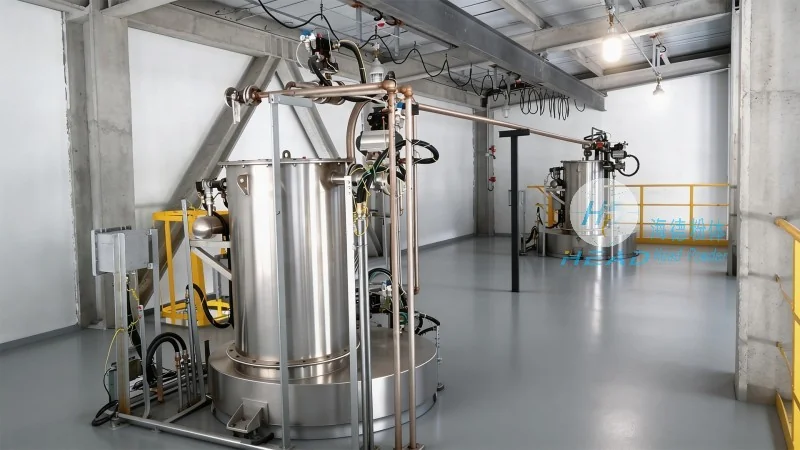
Introduction to Cotton Fiber Pneumatic Conveying
Cotton fiber pneumatic conveying equipment, as offered by HeadPowder, represents a sophisticated solution for the efficient and reliable transport of cotton fibers from one location to another within industrial processes. The technology leverages the principles of air movement to move bulk materials, offering advantages such as reduced labor costs, minimized material degradation, and enhanced safety compared to traditional methods like belt conveyors or manual handling.

The Core Principle of Pneumatic Conveying
The operation of cotton fiber pneumatic conveying systems is based on the fundamental principle of using air pressure to move material through a pipeline. In a typical setup, a fan or blower generates a flow of air, which then draws or pushes the cotton fibers along a duct. The system can be categorized into two main types: dilute-phase and dense-phase conveying. Dilute-phase systems use higher air velocities to keep the material suspended in the air stream, suitable for short to medium distances and low to medium material loads. Dense-phase systems, on the other hand, operate at lower air velocities, creating a slurry-like mixture of material and air, ideal for longer distances and higher material loads where minimal degradation is critical.

Key Working Scene Characteristics
The working scene characteristics of cotton fiber pneumatic conveying equipment are tailored to meet the specific demands of industrial environments where cotton fibers are processed. These characteristics include:
- Material Handling Efficiency: The system ensures consistent and continuous material flow, reducing downtime and improving overall production throughput. This is particularly important in textile manufacturing where timely delivery of raw cotton fibers to processing units is essential.
- Space Optimization: Pneumatic conveying systems require minimal floor space compared to traditional bulk handling equipment. This makes them suitable for facilities with limited layout options, allowing for more flexible plant design.
- Environmental Protection: By containing the material within a sealed pipeline, the system minimizes dust emissions and prevents contamination from external sources. This is crucial in maintaining a clean and safe working environment, especially in textile processing where dust can affect both worker health and product quality.
- Energy Efficiency: Modern pneumatic conveying systems, such as those developed by HeadPowder, are designed to optimize energy consumption. Advanced control systems and efficient fan designs help reduce operational costs while maintaining high material transport rates.
- Flexibility and Scalability: The modular design of these systems allows for easy integration into existing production lines and can be scaled up or down to accommodate varying production volumes. This flexibility is vital for industries that experience fluctuations in demand.
Application Scenarios
HeadPowder's cotton fiber pneumatic conveying equipment is widely used in various industrial applications, including:

- Textile Manufacturing: From raw cotton bales to spinning and weaving processes, the system efficiently transports cotton fibers to different stages of production, ensuring a smooth workflow.
- Cotton Processing Plants: In facilities where cotton is cleaned, carded, and prepared for further processing, pneumatic conveying systems are used to move material between processing units, such as from bale storage to cleaning equipment.
- Industrial Cotton Handling: For companies involved in the bulk handling of cotton fibers, whether for export or domestic use, the equipment provides a reliable solution for moving large quantities of material over short to medium distances.
Conclusion
HeadPowder's cotton fiber pneumatic conveying equipment exemplifies the advanced technology in material handling, combining efficiency, reliability, and adaptability. By understanding the core principles and working scene characteristics, industries can leverage these systems to enhance their operational performance, reduce costs, and maintain high standards of safety and environmental compliance. With a strong presence in Shandong, China, HeadPowder continues to provide innovative solutions that meet the evolving needs of the cotton processing industry.




