Desulfurizer material pneumatic conveying systems are critical components in modern industrial processes, particularly in power plants and chemical facilities where efficient handling of desulfurization agents is essential for maintaining operational efficiency and environmental compliance. This article explores the working principle and key features of such systems, providing insights into their design, functionality, and advantages.

Working Principle of Desulfurizer Material Pneumatic Conveying Systems
The core of a desulfurizer material pneumatic conveying system lies in its ability to transport bulk materials, such as limestone or other alkaline substances used in flue gas desulfurization, through an air stream. The process typically involves several key steps that ensure reliable and efficient material transfer. First, the desulfurizer material is fed into a hopper or storage silo. From there, it is drawn into a conveying line by a high-pressure air blower or fan. The air, often referred to as the conveying medium, creates a negative pressure or positive pressure environment within the system, depending on the specific design. As the material is introduced into the air stream, it becomes entrained and transported through the pipeline to the destination point, such as a reactor or storage tank. The system may include components like rotary valves, filters, and pressure vessels to manage the flow and ensure the material is delivered without blockages or degradation. The entire process is controlled by a programmable logic controller (PLC) or similar automation system, which monitors pressure, flow rates, and other parameters to maintain optimal performance. This integrated approach ensures that the desulfurizer material is transported safely and efficiently, minimizing downtime and operational risks.

Key Features of Desulfurizer Material Pneumatic Conveying Systems
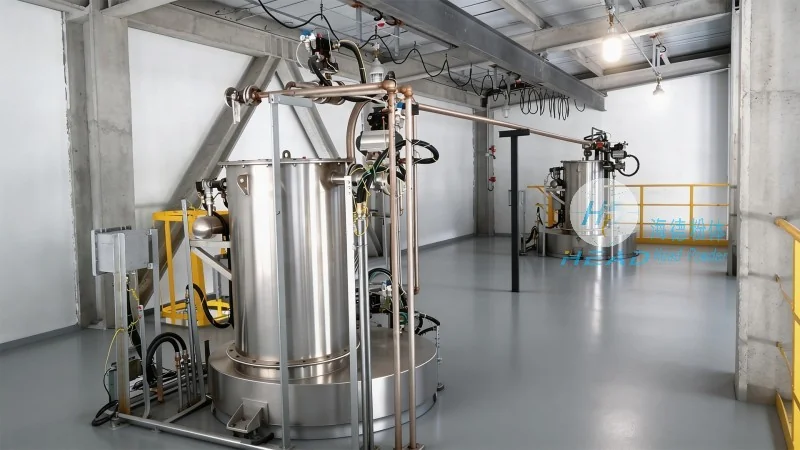
Desulfurizer material pneumatic conveying systems from Shandong HeadPowder Engineering Co., Ltd. (headpowder) are engineered with several distinctive features that enhance their performance and reliability. One of the primary features is the use of advanced air handling technology, which includes high-efficiency blowers and pressure control systems. These components ensure consistent air flow and pressure, which is crucial for maintaining the material's entrainment and preventing blockages. The systems also incorporate robust material handling components, such as rotary airlock valves and flexible hoses, which are designed to handle abrasive desulfurizer materials without wear or degradation over time. Additionally, the systems feature integrated filtration and dust collection mechanisms to maintain air quality and comply with environmental regulations. This is particularly important in industrial settings where air pollution control is a priority. Another key feature is the modular design, which allows for easy installation and customization to fit specific plant layouts and operational requirements. The systems are also equipped with advanced monitoring and diagnostic tools, enabling real-time tracking of performance metrics and early detection of potential issues. This proactive approach helps to minimize maintenance costs and extend the system's service life. Furthermore, the systems are constructed using high-quality materials, such as stainless steel and corrosion-resistant alloys, to withstand the harsh conditions of industrial environments and ensure long-term durability.
Benefits and Applications
The implementation of desulfurizer material pneumatic conveying systems offers numerous benefits for industrial facilities. By automating the material handling process, these systems reduce labor costs and improve operational efficiency. The consistent and reliable transport of desulfurizer materials ensures that flue gas desulfurization processes run smoothly, minimizing downtime and maximizing production output. Additionally, the systems help to maintain a safe working environment by eliminating manual handling of bulk materials, which can be hazardous. The environmental benefits are also significant, as the systems help to reduce dust emissions and improve air quality, contributing to compliance with environmental regulations. Desulfurizer material pneumatic conveying systems are widely used in power plants, chemical manufacturing facilities, and other industrial applications where flue gas desulfurization is required. They are particularly suitable for facilities that require large volumes of desulfurizer material to be transported over long distances or through complex piping networks. The systems are also adaptable to various material types, including powders, granules, and slurries, making them versatile solutions for different industrial needs.

Conclusion
In conclusion, desulfurizer material pneumatic conveying systems are essential for efficient and reliable handling of desulfurization agents in industrial processes. The working principle, which involves the use of air to transport bulk materials, combined with advanced features such as high-efficiency blowers, robust material handling components, and integrated filtration systems, ensures optimal performance and durability. The systems from Shandong HeadPowder Engineering Co., Ltd. are designed to meet the specific needs of industrial facilities, providing a reliable and cost-effective solution for material transport. By understanding the working principle and key features of these systems, industrial operators can make informed decisions about implementing such technology to enhance their operational efficiency and environmental compliance.




