Foam pneumatic conveying systems represent a sophisticated technology in material handling, designed to transport bulk materials efficiently through a pressurized air system. This method utilizes a mixture of air and foam to move powders and granules, offering advantages in terms of low wear on equipment and reduced material degradation compared to traditional pneumatic conveying. The system's operation is based on the principle of creating a stable foam column that carries the material particles, ensuring a gentle and continuous flow.


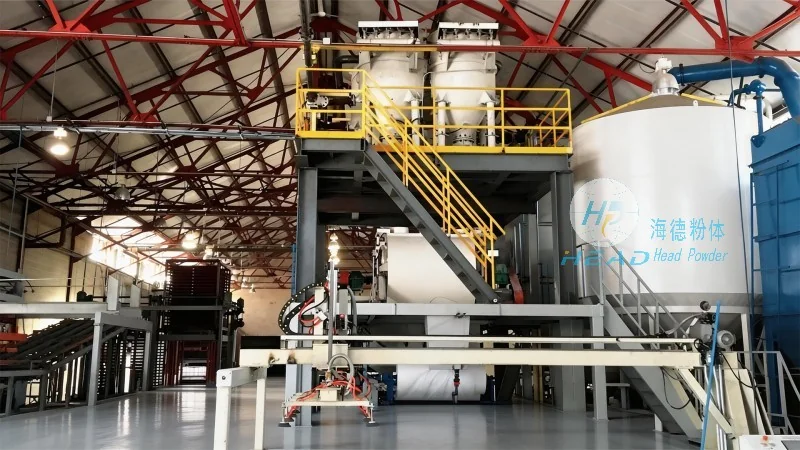
Working Principle of Foam Pneumatic Conveying Systems
The working principle of foam pneumatic conveying systems involves a multi-step process that ensures efficient and gentle material transport. Initially, a liquid foam solution, typically composed of water, surfactants, and sometimes additives to enhance stability, is prepared. This solution is then fed into a foam generator, where it is mixed with compressed air under controlled conditions. The air is introduced into the liquid at a specific pressure and flow rate, creating a stable foam with a consistent bubble size and density. The resulting foam-air mixture, also known as a foam slurry, has a higher volumetric flow rate than the original liquid, which is crucial for enhancing the conveying capacity. The foam generator is designed to produce a uniform foam that can be easily integrated into the conveying line. Once the foam is generated, it is pumped into the conveying pipeline, which is typically made of materials such as stainless steel or plastic to withstand the pressure and foam content. The pipeline is equipped with inlets and outlets that allow the material to be introduced and collected at the desired locations. As the foam mixture travels through the pipeline, the material particles are suspended within the foam bubbles, forming a homogeneous mixture. The pressure maintained in the pipeline ensures that the material is continuously propelled forward, reaching the destination without the need for additional energy input beyond the initial foam generation and air compression. The system's operation is continuous, allowing for a steady flow of material, which is ideal for industrial production lines that require consistent supply of bulk materials. The control of foam density and air pressure is critical; higher foam density increases the carrying capacity but may lead to higher energy consumption, while lower density reduces energy use but may affect material suspension. HeadPowder's systems are equipped with advanced control systems that allow for real-time adjustment of these parameters, optimizing the conveying process for different materials and operational conditions.
Key Features of Foam Pneumatic Conveying Systems
Foam pneumatic conveying systems are distinguished by several key features that make them superior to traditional pneumatic conveying methods. The most notable feature is the gentle handling of materials, which is achieved through the foam's cushioning effect. This reduces the mechanical stress on particles, preventing breakage and maintaining the integrity of the material. For example, in the food industry, where product quality is paramount, foam conveying can preserve the texture and flavor of powders like cocoa or flour, ensuring that the final product meets quality standards. In the pharmaceutical industry, where contamination and particle size are critical, foam conveying minimizes the risk of cross-contamination and maintains the uniformity of active ingredients. Another significant feature is the low wear and tear on equipment. Unlike traditional systems that rely on direct air flow to move particles, foam conveying uses the foam as a carrier, reducing the friction between particles and the pipeline walls. This leads to longer service life for pumps, valves, and other components, resulting in lower maintenance costs and higher overall efficiency. The versatility of foam pneumatic conveying is another advantage. The system can handle a wide variety of materials, including fine powders, coarse granules, and even sticky or abrasive substances. This adaptability makes it suitable for diverse industries such as chemicals, food processing, pharmaceuticals, and mining. The ability to adjust the foam properties allows for customization of the system to suit specific material characteristics and conveying requirements. For instance, in the chemical industry, where materials may be corrosive, the use of stainless steel or specialized coatings in the pipeline can be combined with foam conveying to ensure durability and safety. Additionally, the system's environmental benefits are noteworthy. By reducing dust emissions and minimizing the need for high-pressure air, foam conveying contributes to a cleaner and safer working environment. The foam itself can be recycled or disposed of in an environmentally friendly manner, further enhancing the sustainability of the process. HeadPowder's systems are designed with these features in mind, ensuring that clients receive a solution that is not only efficient but also environmentally responsible.




