Polysilicon material conveying lines are critical components in the production processes of solar energy technologies. These systems are engineered to efficiently transport polysilicon, a key raw material used in the manufacturing of solar cells. The design of such lines is tailored to meet the specific demands of the polysilicon processing industry, ensuring high efficiency, reliability, and safety. In this article, we will explore the fundamental aspects of polysilicon material conveying lines, including their design principles and operational characteristics.

About Shandong HeadPowder Engineering Co., Ltd.
Shandong HeadPowder Engineering Co., Ltd., commonly known as HeadPowder, is a leading manufacturer specializing in industrial conveying systems. With a strong presence in China, particularly in Shandong province, the company has built a reputation for delivering high-quality, customized solutions for material handling in various industrial sectors, including the solar energy industry. HeadPowder's expertise lies in designing and manufacturing conveying lines that meet the stringent requirements of modern polysilicon production facilities.
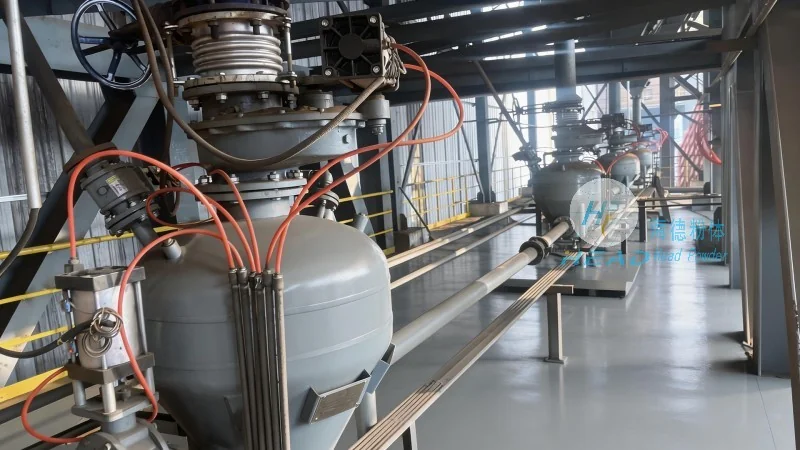
Design Principles of Polysilicon Material Conveying Lines
The design of a polysilicon material conveying line involves several key principles aimed at optimizing material flow, minimizing downtime, and ensuring product integrity. First, the system must be constructed from materials that are compatible with polysilicon and resistant to corrosion, as polysilicon can be sensitive to certain chemicals and environmental conditions. Common materials used in the construction of these lines include stainless steel, which provides durability and resistance to wear and tear. Second, the conveying mechanism must be designed to handle the specific physical properties of polysilicon, such as its granular or powder form, ensuring that the material is transported without segregation or degradation. This often involves the use of specialized components like screw conveyors, belt conveyors, or pneumatic conveying systems, each chosen based on the specific application and material characteristics.

Key Components and Their Functions
A typical polysilicon material conveying line consists of several interconnected components, each playing a crucial role in the overall operation. The primary components include feed hoppers, which are used to store and feed the polysilicon material into the conveying system. These hoppers are designed to minimize material buildup and ensure a consistent flow of material. Next, the conveying mechanism itself, such as a screw conveyor or a belt conveyor, is responsible for moving the material from one point to another. Screw conveyors are particularly effective for handling granular materials like polysilicon, as they can provide a continuous, low-friction transfer. Belt conveyors, on the other hand, are suitable for larger or bulkier materials and can handle higher volumes. Additionally, the system may include control panels and sensors to monitor the flow rate, detect blockages, and adjust the operation of the conveying equipment in real-time. These components work together to ensure the smooth and efficient operation of the polysilicon material conveying line.
Advantages of Polysilicon Material Conveying Lines
Polysilicon material conveying lines offer several advantages that make them indispensable in modern solar cell manufacturing. One of the primary benefits is their ability to handle large volumes of material with high efficiency, reducing the time and labor required for material transport. This leads to increased productivity and lower operational costs. Additionally, the design of these lines minimizes material loss and contamination, ensuring that the polysilicon remains in its optimal condition throughout the conveying process. This is crucial for maintaining the quality of the final solar cells. Another advantage is the flexibility of the system, which can be customized to fit the specific layout and requirements of a production facility. Whether a facility requires a horizontal or vertical conveying system, or a combination of both, the design can be tailored to meet these needs. Furthermore, the use of advanced materials and components in the construction of these lines ensures long-term durability and low maintenance costs, contributing to the overall reliability of the production process.

Conclusion
Polysilicon material conveying lines are essential for the efficient and reliable operation of solar cell manufacturing facilities. The design principles and components of these systems are carefully engineered to meet the unique demands of polysilicon processing, ensuring high performance and durability. Shandong HeadPowder Engineering Co., Ltd. specializes in providing customized conveying solutions that meet the specific needs of clients in the solar energy industry. With a focus on quality, efficiency, and reliability, HeadPowder is committed to delivering systems that enhance productivity and support the growth of the solar energy sector.




