Manganese sulfate is a widely used chemical compound in various industrial applications, including agriculture, water treatment, and battery manufacturing. The efficient transportation of this material is crucial for maintaining production efficiency and ensuring product quality. A manganese sulfate material handling conveyor is a specialized system designed to transport bulk quantities of this chemical safely and effectively. This article will explore the key aspects of such a conveyor system, including its design principles and the factors that influence its performance.

Components and Structure of a Manganese Sulfate Conveyor System
The core components of a manganese sulfate material handling conveyor typically include a feeding mechanism, a conveyor belt or other transport medium, a drive system, and a control unit. The feeding mechanism is responsible for introducing the material into the system, often using a hopper or a feeder that can handle the bulk density and flow characteristics of manganese sulfate. The conveyor belt, usually made from materials resistant to chemical corrosion, such as rubber or specialized plastics, ensures that the material is moved smoothly without degradation. The drive system, which may consist of electric motors and pulleys, provides the necessary force to move the belt at a consistent speed. The control unit, equipped with sensors and monitoring devices, allows operators to adjust the conveyor speed, detect blockages, and ensure the system operates within safe parameters.
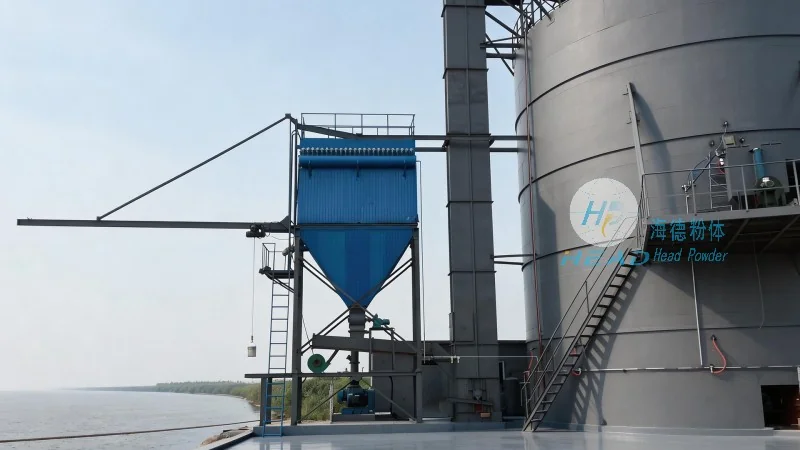
Design Principles for Optimal Performance
The design of a manganese sulfate conveyor system is guided by several key principles to ensure reliability, efficiency, and safety. First, the system must be constructed from materials that are chemically resistant to manganese sulfate and any potential byproducts, preventing corrosion and material degradation. This often involves using stainless steel or specialized coatings on metal components. Second, the conveyor must be designed to handle the bulk density and flow characteristics of the material. Manganese sulfate has a relatively high bulk density, which means the conveyor belt must be strong enough to support the load without stretching or breaking. The angle of inclination and the speed of the belt are also critical factors, as they affect the material's flow and prevent clogging. Third, the system must incorporate safety features to protect operators and prevent accidents. This includes emergency stop buttons, protective guards around moving parts, and sensors that detect overloads or blockages. Additionally, the design must consider the environmental impact, ensuring that the system is energy-efficient and minimizes dust emissions, which is particularly important for manganese sulfate due to its fine particle size.
HeadPowder's Expertise in Manganese Sulfate Conveyor Solutions
Shandong HeadPowder Engineering Co., Ltd., a leading manufacturer in the field, specializes in designing and manufacturing high-quality manganese sulfate material handling conveyors. With years of experience in the chemical processing industry, HeadPowder understands the unique challenges associated with transporting manganese sulfate and has developed innovative solutions to address them. The company's engineers work closely with clients to understand their specific production needs and tailor the conveyor system to meet those requirements. HeadPowder's products are known for their durability, efficiency, and safety features, making them a trusted choice for industries that rely on manganese sulfate. The company's commitment to quality and customer satisfaction has earned it a reputation as a leading provider of material handling solutions in China.

Key Features and Benefits of a HeadPowder Manganese Sulfate Conveyor
HeadPowder's manganese sulfate material handling conveyors are equipped with several features that enhance their performance and reliability. The conveyors are designed with corrosion-resistant materials, ensuring long-term durability even in harsh chemical environments. The belt system is engineered to handle high loads and maintain consistent speed, reducing the risk of material spillage or blockages. The control system includes advanced sensors that monitor the conveyor's operation in real-time, providing early warnings of potential issues and allowing for quick adjustments. This proactive approach to maintenance helps minimize downtime and ensures continuous production. Additionally, the conveyors are designed for easy maintenance, with accessible components that can be serviced without extensive disassembly. This reduces maintenance costs and increases the overall lifespan of the equipment. The benefits of using a HeadPowder conveyor include improved production efficiency, reduced material loss, enhanced safety, and lower operational costs.




