Activated carbon powder, a critical material in various industrial processes, requires efficient and reliable transportation methods to ensure optimal performance and safety. Pneumatic conveying systems have emerged as a preferred solution for handling such powders due to their ability to transport materials through air pressure. This article provides a comprehensive classification of activated carbon powder pneumatic conveying systems and analyzes their practical applications, highlighting the technological advancements and operational considerations that define their effectiveness in industrial settings.

Key Players in the Industry: Shandong HeadPowder Engineering Co., Ltd.
At the forefront of engineering solutions for material handling, Shandong HeadPowder Engineering Co., Ltd., commonly known as headpowder, specializes in the design, manufacturing, and implementation of advanced pneumatic conveying systems. With a strong commitment to quality and innovation, the company has established itself as a trusted partner for industries relying on activated carbon powder processing. Headpowder’s expertise lies in tailoring systems that meet specific operational requirements, ensuring durability, efficiency, and compliance with industry standards. The company’s operational base is located in Shandong, China, where it leverages local resources and expertise to deliver customized solutions for global clients.
Classification of Activated Carbon Powder Pneumatic Conveying Systems
Activated carbon powder pneumatic conveying systems can be broadly classified based on several key parameters, including the conveying method, system pressure, and material handling capacity. The primary classifications include:
1. Positive Pressure Systems: These systems operate by blowing air or gas into the conveying line, creating a positive pressure that propels the powder. Positive pressure systems are suitable for long-distance and high-capacity conveying, making them ideal for large-scale industrial applications. They are commonly used in scenarios where the material is sensitive to pressure variations or where the system needs to handle a wide range of particle sizes.
2. Negative Pressure (Vacuum) Systems: In contrast, negative pressure systems create a vacuum in the conveying line, drawing the powder from the source. This method is particularly effective for short-distance conveying and for handling materials that are prone to dust or require a clean environment. Negative pressure systems are often preferred in applications where the material is hygroscopic or where the system needs to maintain a controlled atmosphere.

3. Combined Systems: Some applications may require a combination of positive and negative pressure to achieve optimal performance. These hybrid systems can be configured to handle both long and short distances, adapting to varying operational needs. The flexibility of combined systems makes them suitable for complex industrial setups where multiple material sources or destinations are involved.
Application Analysis of Activated Carbon Powder Pneumatic Conveying Systems
The effectiveness of activated carbon powder pneumatic conveying systems is heavily influenced by their application in specific industrial sectors. The following analysis highlights key industries and scenarios where these systems are widely utilized:
1. Water Treatment and Environmental Remediation: Activated carbon is extensively used in water treatment plants to remove organic contaminants, heavy metals, and other pollutants. Pneumatic conveying systems enable the efficient transport of activated carbon from storage silos to treatment units, ensuring consistent and reliable dosing. This application is critical for maintaining water quality standards and reducing environmental impact.
2. Pharmaceutical and Food Processing: In the pharmaceutical and food industries, the handling of activated carbon powder requires strict adherence to hygiene and safety standards. Pneumatic conveying systems provide a dust-free and contamination-free method of transporting the material, which is essential for maintaining product purity and compliance with regulatory requirements. These systems are often designed with stainless steel components and sealed enclosures to prevent cross-contamination.
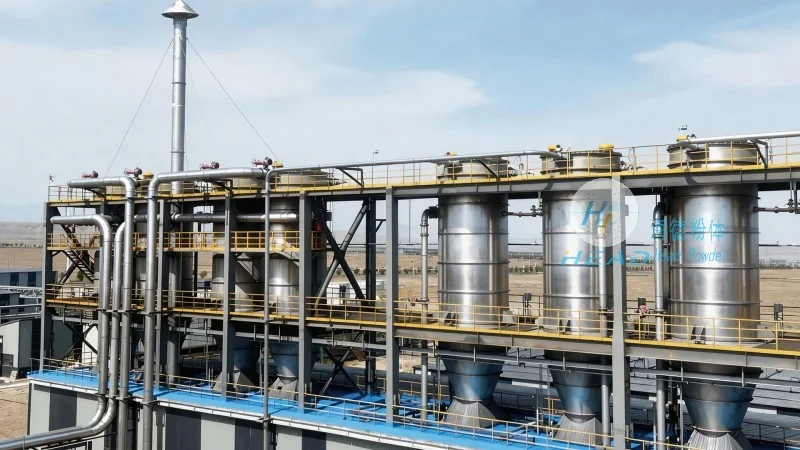
3. Chemical Manufacturing: The chemical industry relies on activated carbon for processes such as adsorption, catalysis, and filtration. Pneumatic conveying systems are used to transport activated carbon between reactors, storage tanks, and processing units, ensuring smooth and continuous operation. The ability to handle high temperatures and corrosive environments makes these systems suitable for demanding chemical applications.
4. Power Generation and Coal Processing: In power plants, activated carbon is used for flue gas desulfurization and mercury control. Pneumatic conveying systems facilitate the delivery of activated carbon to the desulfurization units, improving the efficiency of the process and reducing emissions. The robust design of these systems allows them to withstand the harsh conditions of power generation facilities.
Technological Advancements and Operational Considerations
Recent advancements in pneumatic conveying technology have enhanced the performance and reliability of activated carbon powder systems. Key innovations include:
1. Advanced Material Handling Components: The use of high-quality materials, such as stainless steel and special alloys, improves the durability and resistance to corrosion of the conveying components. This ensures longer service life and reduced maintenance costs.

2. Control Systems and Automation: Modern systems are equipped with sophisticated control panels and automation features that allow for real-time monitoring and adjustment of conveying parameters. This enhances operational efficiency and minimizes downtime, ensuring consistent material flow.
3. Energy Efficiency Measures: Optimized air flow designs and energy recovery systems reduce the overall energy consumption of the conveying process. These measures contribute to lower operational costs and a smaller environmental footprint.
Operational considerations for activated carbon powder pneumatic conveying systems include proper system sizing, regular maintenance, and adherence to safety protocols. Proper sizing ensures that the system can handle the required material flow rates without excessive pressure drops or energy consumption. Regular maintenance, including cleaning and inspection of components, prevents blockages and ensures smooth operation. Safety protocols, such as dust suppression and explosion-proof designs, are critical to prevent accidents and protect personnel.
Conclusion and Future Outlook
Activated carbon powder pneumatic conveying systems represent a vital technology for the efficient handling of this essential material in various industrial applications. The classification and application analysis provided in this article highlight the versatility and adaptability of these systems, which can be tailored to meet the specific needs of different industries. As technology continues to evolve, we can expect further improvements in system performance, energy efficiency, and safety features. Companies like Shandong HeadPowder Engineering Co., Ltd. play a crucial role in advancing this technology, providing customized solutions that enhance operational efficiency and contribute to sustainable industrial practices.




