Shandong HeadPowder Engineering Co., Ltd., a leading provider in the field of material handling solutions, specializes in the design and manufacturing of advanced pneumatic conveying systems tailored for industrial applications. With a focus on efficiency, reliability, and innovation, the company has established itself as a trusted partner for clients seeking optimal solutions for transporting bulk materials like alumina. This article explores the key aspects of designing an effective alumina pneumatic conveying system, highlighting the technical considerations, components, and operational principles that contribute to successful material transport in industrial settings.
Company Overview and Expertise
HeadPowder, as the company is commonly known, is headquartered in Shandong, China. The organization has built a strong reputation over the years by delivering high-quality engineering services and customized equipment for various industries, including chemical, metallurgy, and food processing. The company's team of experienced engineers and technicians brings a wealth of knowledge in pneumatic conveying technology, ensuring that each project is approached with a deep understanding of the client's specific requirements and operational constraints. By leveraging advanced design software and rigorous testing protocols, HeadPowder ensures that its systems meet or exceed industry standards for performance, safety, and durability.
Understanding Pneumatic Conveying for Alumina
Alumina, also known as aluminum oxide, is a widely used industrial material in applications such as ceramics, refractories, and chemical production. The transportation of alumina requires specialized equipment due to its properties, including high bulk density, abrasive nature, and potential for dust generation. Pneumatic conveying systems offer a solution by using air or other gases to transport the material through a pipeline network. This method is particularly advantageous for alumina because it minimizes material degradation, reduces the risk of contamination, and enables efficient, continuous operation. The design of an alumina pneumatic conveying system must account for factors such as material flow rate, particle size distribution, and the need for gentle handling to prevent agglomeration or damage.

Key Design Considerations for Alumina Pneumatic Conveying
The successful design of an alumina pneumatic conveying system involves several critical considerations that ensure optimal performance and longevity. First, the selection of the appropriate conveying method is crucial. For alumina, both positive and negative pressure systems are commonly used, each with its own advantages and limitations. Positive pressure systems, where air is blown into the pipeline, are often preferred for long-distance or high-capacity transport, as they provide better control over material flow and reduce the risk of backflow. Negative pressure systems, on the other hand, are suitable for applications requiring dust collection and environmental control. The choice of system depends on the specific operational requirements and the characteristics of the alumina being transported.
Second, the design of the pipeline layout is essential. The pipeline must be sized appropriately to handle the required flow rate while minimizing pressure drop. For alumina, which is abrasive, the use of high-quality materials such as stainless steel or special alloys is recommended to prevent wear and corrosion. The pipeline also needs to be equipped with appropriate fittings, such as elbows, tees, and bends, which are designed to minimize friction and maintain material flow. Additionally, the inclusion of surge hoppers or day tanks is often necessary to regulate the flow and prevent overloading of downstream equipment.
Components of an Alumina Pneumatic Conveying System
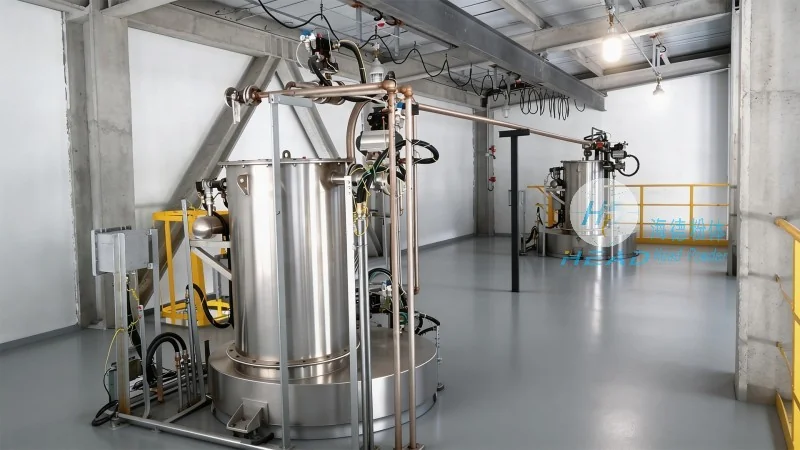
An alumina pneumatic conveying system typically consists of several key components that work in tandem to ensure efficient material transport. The primary components include the material feed hopper, the conveying line, the air supply system, and the dust collection system. The feed hopper is designed to store and feed the alumina into the pipeline at a controlled rate, preventing blockages and ensuring a consistent flow. The conveying line is the main pipeline through which the alumina and air travel, and it must be properly sized and supported to handle the pressure and flow conditions. The air supply system, which may include a blower or compressor, provides the necessary air pressure to move the material. The dust collection system, often integrated with the conveying line, captures any airborne particles and returns them to the system, ensuring environmental compliance and material recovery.

Operational Efficiency and Maintenance
Operational efficiency is a key factor in the success of an alumina pneumatic conveying system. Proper design and maintenance are essential to ensure that the system operates at peak performance. Regular maintenance, including cleaning of the pipeline, checking for wear on components, and monitoring air pressure and flow rates, is crucial to prevent downtime and extend the lifespan of the equipment. The use of advanced monitoring systems can also help in identifying potential issues early, allowing for timely interventions and reducing the risk of system failures. Additionally, the integration of automation and control systems can optimize the operation of the conveying system, ensuring that it operates efficiently and safely under varying conditions.
Conclusion
In conclusion, the design of an alumina pneumatic conveying system requires a comprehensive approach that considers the material properties, operational requirements, and environmental factors. Shandong HeadPowder Engineering Co., Ltd. brings extensive expertise in this field, offering customized solutions that meet the specific needs of clients. By focusing on quality, innovation, and customer satisfaction, HeadPowder continues to deliver reliable and efficient pneumatic conveying systems that enhance productivity and safety in industrial applications. For businesses dealing with alumina, investing in a well-designed pneumatic conveying system is a strategic decision that can lead to significant improvements in material handling efficiency and overall operational performance.




