For industries dealing with bulk materials, efficient and reliable material handling is crucial. The bulk bag pneumatic conveying system, also known as a bag-to-bag or bulk bag handling system, offers a solution that combines automation, safety, and versatility. This article provides an overview of the bulk bag pneumatic conveying line, detailing its structural components and operational principles.
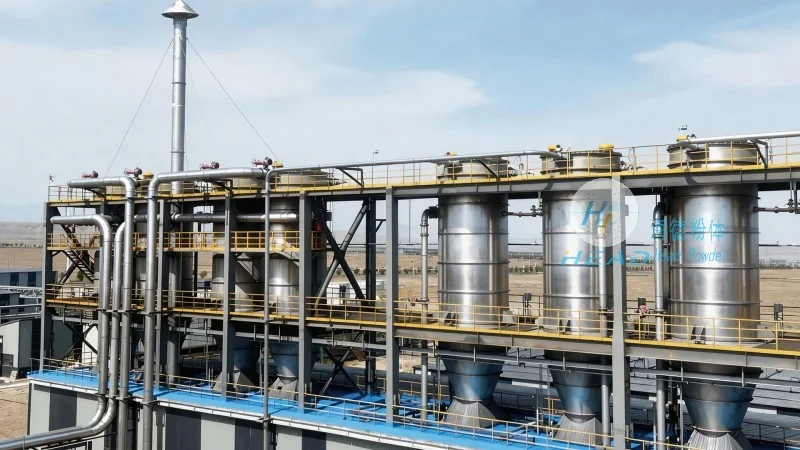
Overview of Bulk Bag Pneumatic Conveying Systems
Bulk bag pneumatic conveying systems are designed to transfer bulk materials from a bulk bag (also called a super sack or FIBCs) into a processing or storage unit. These systems are widely used in industries such as chemicals, food, pharmaceuticals, and minerals due to their ability to handle various material types while maintaining hygiene and efficiency. The system typically consists of several key components that work in tandem to ensure smooth material transfer.
Key Structural Components of the System
The core components of a bulk bag pneumatic conveying system include the bulk bag itself, a hopper or receiving container, a pneumatic conveyor (either positive or negative pressure), a dust collector, and control panels. Each component plays a vital role in the overall operation:
1. **Bulk Bag (FIBC):** The bulk bag is the primary container for storing and transporting bulk materials. These bags are made from durable materials like polypropylene or polyester and are designed to withstand heavy loads and various environmental conditions. The bag features a top opening with a spout or discharge valve that connects to the hopper.
2. **Hopper/Receiving Container:** The hopper is a container that collects material discharged from the bulk bag. It is usually made of stainless steel or other corrosion-resistant materials to ensure hygiene and durability. The hopper is equipped with a discharge valve that connects to the pneumatic conveyor system.
3. **Pneumatic Conveyor:** The pneumatic conveyor is the heart of the system, responsible for transporting material from the hopper to the final destination. It can operate under positive pressure (air pushing material forward) or negative pressure (air pulling material). The choice of pressure type depends on the material characteristics, such as dustiness, abrasiveness, and moisture content.
4. **Dust Collector:** To maintain a clean and safe working environment, a dust collector is often integrated into the system. It captures any airborne particles during the material transfer process, preventing contamination and ensuring compliance with environmental regulations.
5. **Control Panels:** The control panels house the system's controls and sensors, allowing operators to monitor and adjust the conveying process. These panels may include pressure gauges, flow meters, and safety switches to ensure safe and efficient operation.

Operational Principles and Working Process
The operation of a bulk bag pneumatic conveying system involves several steps. First, the bulk bag is placed on a discharge spout or a dedicated bag stand. The material is then discharged from the bag into the hopper under the control of the system's valves and sensors. The pneumatic conveyor then uses compressed air to transport the material from the hopper to the target location, such as a silo, storage tank, or processing equipment.
During the conveying process, the system continuously monitors pressure, flow rate, and other parameters to ensure optimal performance. The dust collector works in conjunction with the conveyor to capture any dust or particles, maintaining air quality and preventing material loss. The entire process is automated, reducing the need for manual intervention and minimizing the risk of human error.
Advantages of Bulk Bag Pneumatic Conveying Systems
Bulk bag pneumatic conveying systems offer several advantages over traditional material handling methods. These include:
1. **Efficiency and Speed:** The system can transfer large quantities of material quickly and efficiently, reducing downtime and increasing productivity.
2. **Versatility:** It can handle a wide range of materials, including powders, granules, and bulk solids, with minimal adjustments.
3. **Hygiene and Safety:** The enclosed system prevents dust and contamination, making it suitable for food, pharmaceutical, and chemical applications. Additionally, the system is designed with safety features to protect operators from material exposure.
4. **Space Efficiency:** The compact design of the system allows it to fit into limited spaces, making it ideal for facilities with space constraints.
5. **Cost-Effectiveness:** By reducing material loss and labor costs, the system offers long-term cost savings for businesses.

Applications and Industries
Bulk bag pneumatic conveying systems are used in various industries where bulk material handling is essential. Some common applications include:
1. **Chemical Industry:** Transferring chemicals, powders, and granules in manufacturing and processing plants.
2. **Food and Beverage Industry:** Handling ingredients like flour, sugar, and spices in food processing facilities.
3. **Pharmaceutical Industry:** Conveying raw materials and finished products in pharmaceutical manufacturing.
4. **Mineral and Mining Industry:** Transporting minerals, ores, and other bulk solids from mines to processing facilities.
5. **Agricultural Industry:** Handling agricultural products such as grains, seeds, and fertilizers.
Conclusion
Bulk bag pneumatic conveying systems are a vital component in modern material handling, offering a reliable and efficient solution for transferring bulk materials. With their robust design and advanced operational principles, these systems enhance productivity, ensure safety, and maintain hygiene in various industrial applications. As a leading provider in the field, Shandong HeadPowder Engineering Co., Ltd. specializes in designing and manufacturing high-quality bulk bag pneumatic conveying systems tailored to meet the specific needs of different industries.




