Shandong HeadPowder Engineering Co., Ltd., commonly known as headpowder, is a professional manufacturer and supplier of pneumatic conveying systems, specializing in the efficient and reliable transportation of pigment materials. With a base in Shandong, China, the company has established itself as a trusted partner in the industry, delivering customized solutions tailored to the unique needs of clients in various sectors.
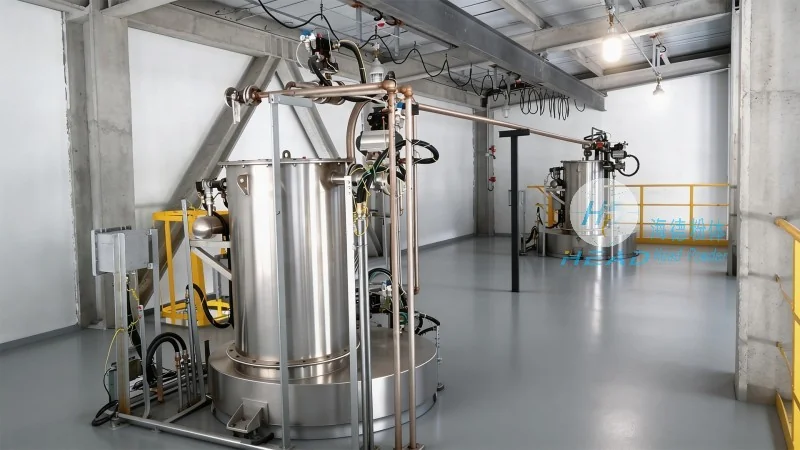
Operation Process of Pneumatic Conveying for Pigment Materials
The operation process of pneumatic conveying for pigment materials involves several key steps that ensure efficient material handling from the source to the destination. The process typically begins with the loading of the pigment material into the hopper or storage silo. From there, the material is fed into the conveying line through a feeder, which controls the flow rate to maintain consistent pressure and flow within the system. The conveying medium, usually air or a combination of air and other gases, is then introduced into the pipeline, creating a pressure differential that propels the material forward. As the material travels through the pipeline, it is carried by the moving air stream, which can be either positive pressure (where air is forced into the system) or negative pressure (where air is drawn out). The system is designed with appropriate components such as cyclones, filters, and silos to separate the material from the air and collect it at the receiving end. This process ensures that the pigment material is transported safely and efficiently, minimizing the risk of dust emissions and material degradation.

Working Principle of Pneumatic Conveying for Pigment Materials
The working principle of pneumatic conveying for pigment materials relies on the fundamental principles of fluid dynamics and particle transport. At its core, the system uses air as the conveying medium to move the solid particles of pigment. The key components of the system, including the feeder, pipeline, and separation equipment, work in tandem to achieve this goal. The feeder is responsible for controlling the flow of material into the system, ensuring a consistent feed rate that matches the conveying capacity. The pipeline, which can be made of various materials such as stainless steel or plastic, provides the path for the material and air to travel. The air is introduced into the pipeline at a specific velocity, which is determined by the size and density of the pigment particles. For smaller particles, higher velocities are required to prevent settling or blockages, while larger particles may require lower velocities to maintain stability. The separation equipment, such as cyclones or bag filters, is used to separate the material from the air stream, allowing the air to be recycled or discharged while the material is collected in the receiving silo. This separation process is critical for maintaining the purity of the pigment and preventing contamination from dust or other particles.

Advantages of Pneumatic Conveying Systems for Pigment Materials
Pneumatic conveying systems offer several advantages over traditional material handling methods, making them an ideal choice for transporting pigment materials. One of the primary benefits is the ability to transport materials in a closed system, which minimizes dust emissions and improves workplace safety. This is particularly important for pigment materials, which can be fine and easily airborne, posing health risks to workers. Additionally, pneumatic conveying systems are highly flexible and can be customized to fit the specific layout and requirements of a facility. They can handle a wide range of particle sizes and densities, from fine powders to larger granules, and can transport materials over long distances with minimal loss. The systems are also relatively low maintenance, with fewer moving parts compared to mechanical conveyors, reducing the risk of breakdowns and downtime. Furthermore, the closed system design helps maintain the quality of the pigment material, preventing exposure to moisture, contaminants, or other environmental factors that could affect its performance.
Applications of Pneumatic Conveying for Pigment Materials
Pneumatic conveying systems are widely used in various industries that handle pigment materials, including paint manufacturing, coatings, inks, and plastics. In the paint industry, for example, pneumatic conveying is used to transport pigments from storage silos to mixing and blending equipment, ensuring a consistent and uniform color. In the coatings industry, the system is used to move pigments from raw material storage to the production line, where they are incorporated into the coating formulation. The inks industry also relies on pneumatic conveying to transport pigments to printing presses, ensuring that the ink is of high quality and free from contaminants. The plastics industry uses pneumatic conveying to transport pigments to extrusion and molding equipment, where they are mixed with the base polymer to create colored plastics. In each of these applications, the system provides a reliable and efficient method for material handling, improving productivity and reducing the risk of material loss or contamination.

Maintenance and Maintenance of Pneumatic Conveying Systems for Pigment Materials
Proper maintenance and operation of pneumatic conveying systems are essential to ensure their long-term performance and reliability. Regular maintenance tasks include checking the condition of the pipeline and components for signs of wear or damage, cleaning the separation equipment to remove accumulated material, and inspecting the feeder and control systems for proper operation. The air filtration system should also be checked regularly to ensure that it is functioning correctly and that the air being used is clean and free from contaminants. In addition, the system should be operated within the recommended parameters, such as pressure and flow rates, to prevent overloading or damage to the components. By following a regular maintenance schedule and adhering to the manufacturer's guidelines, the system can operate efficiently and reliably for many years, minimizing downtime and maintenance costs.




