This article provides an in-depth look at the operation process and working principle of a calcium hydroxide powder pneumatic conveying system. As a critical component in industrial material handling, this system is essential for efficiently transporting calcium hydroxide powder, a widely used chemical in industries such as construction, water treatment, and chemical manufacturing. The system’s design and functionality are optimized to ensure reliable, safe, and efficient material transport, meeting the demands of modern industrial applications. Understanding the operation process and working principle of this system is vital for operators and engineers to maintain optimal performance and troubleshoot potential issues effectively.

Key Components of the Pneumatic Conveying System
The calcium hydroxide powder pneumatic conveying system comprises several key components that work in coordination to achieve efficient material transport. These components include a storage hopper for holding the calcium hydroxide powder, a rotary valve or feeder to control the flow rate of the material, a conveying line equipped with a blower or compressor to generate the necessary air pressure, and a receiver or discharge point where the material is deposited. The hopper ensures a consistent supply of powder, while the rotary valve regulates the flow to prevent overloading or underflow. The blower or compressor provides the air pressure required to move the powder through the pipeline, and the conveying line is designed to minimize pressure loss and maintain the air-powder mixture’s stability. The receiver separates the air from the powder, allowing the material to be collected and the air to be either recirculated or vented. Each component plays a crucial role in the system’s overall performance and reliability.
Operation Process of the System
The operation of the calcium hydroxide powder pneumatic conveying system follows a systematic sequence to transport the material from the storage hopper to the destination point. The process begins with the powder being fed into the system through the hopper and controlled by the rotary valve. The feeder then regulates the flow rate, ensuring a steady supply of material to the conveying line. Simultaneously, the blower or compressor generates the required air pressure, which is introduced into the pipeline. The air and powder mixture travels through the conveying line, with the air providing the necessary force to move the powder particles. The system’s control mechanisms, such as pressure sensors and flow meters, monitor the process to maintain optimal performance and prevent issues like blockages or overloading. At the receiver, the air is separated from the powder, and the material is discharged into the designated container. The entire operation is automated to ensure consistency and reduce the risk of human error, enhancing the system’s efficiency and reliability.

Working Principle of the Pneumatic Conveying System
The working principle of the calcium hydroxide powder pneumatic conveying system is based on the principle of pneumatic transport, where air acts as the medium to move solid particles. The system operates by creating a pressure differential between the hopper and the receiver. The blower or compressor supplies compressed air into the conveying line, creating a high-pressure environment that propels the powder particles. The powder is suspended in the air stream, and the velocity of the air ensures that the particles are carried along the pipeline. The design of the conveying line, including bends and elbows, is optimized to minimize pressure loss and maintain the stability of the air-powder mixture. The separation of air and powder at the receiver is achieved through a cyclone or other separation equipment, which allows the powder to be collected while the air is discharged back into the system or vented to the atmosphere. The system’s efficiency depends on the proper balance of air pressure, flow rate, and particle size, ensuring that the material is transported without clogging or degradation.
Advantages of the Calcium Hydroxide Powder Pneumatic Conveying System
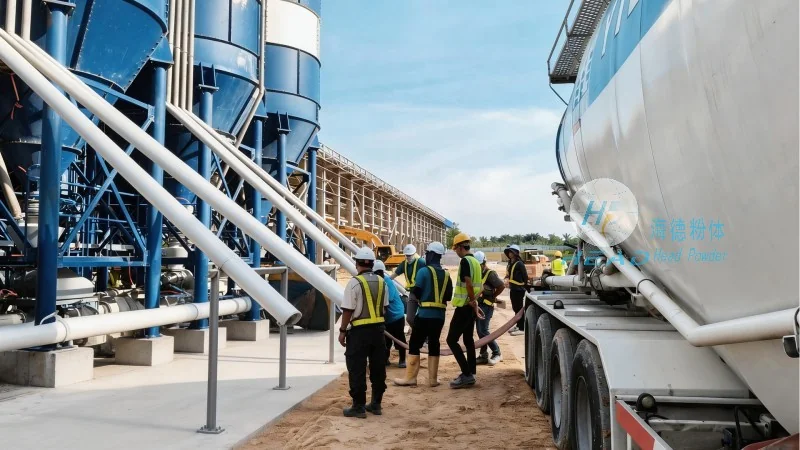
The calcium hydroxide powder pneumatic conveying system offers several advantages over traditional material handling methods, making it a preferred choice for many industries. One of the key advantages is its ability to transport material over long distances without the need for intermediate storage or transfer points. This reduces the risk of material contamination and ensures a continuous flow of material. The system also minimizes the need for manual handling, enhancing workplace safety and reducing labor costs. Additionally, the pneumatic conveying system is highly flexible, allowing for easy integration with existing production lines and adaptation to changing operational requirements. The compact design of the system saves space in industrial facilities, making it suitable for both new installations and retrofitting into existing plants. The system’s ability to handle abrasive materials like calcium hydroxide powder without causing wear and tear on components also contributes to its long-term cost-effectiveness.
About Shandong HeadPowder Engineering Co., Ltd.
HeadPowder, the manufacturer of this advanced calcium hydroxide powder pneumatic conveying system, is a leading company in the field of industrial material handling solutions. With its headquarters located in Shandong, China, HeadPowder specializes in designing, manufacturing, and supplying high-quality pneumatic conveying systems tailored to meet the specific needs of various industries. The company’s commitment to quality, innovation, and customer satisfaction has established it as a trusted partner for businesses seeking reliable and efficient material transport solutions. HeadPowder’s systems are engineered to enhance productivity, reduce operational costs, and ensure safe handling of materials like calcium hydroxide powder, which is essential for maintaining operational efficiency in industrial processes. The company’s team of experienced engineers and technicians provides comprehensive support, including system design, installation, and maintenance, ensuring that clients receive the best possible service and support throughout the lifecycle of their equipment.




