HeadPowder, a leading engineering company based in Shandong, China, specializes in the design and implementation of advanced corn stalk pneumatic conveying systems. These systems are engineered to efficiently transport corn stalks, a key agricultural byproduct, from collection sites to processing facilities. The operation process of such a system involves several critical steps that ensure optimal performance and minimal loss of material.

Working Principle of Pneumatic Conveying for Corn Stalks
The core of a corn stalk pneumatic conveying system is the use of air to move material through a pipeline. The system typically consists of a hopper for material storage, a blower or fan to generate the necessary air pressure, a pipeline network to guide the material, and a discharge point where the material is deposited. The working principle relies on the creation of a low-pressure zone in the pipeline, which draws the corn stalks into the air stream. As the material is entrained by the air, it travels through the pipeline to the destination. The system can operate in either positive or negative pressure modes, depending on the specific application and material characteristics.

Key Components and Their Roles
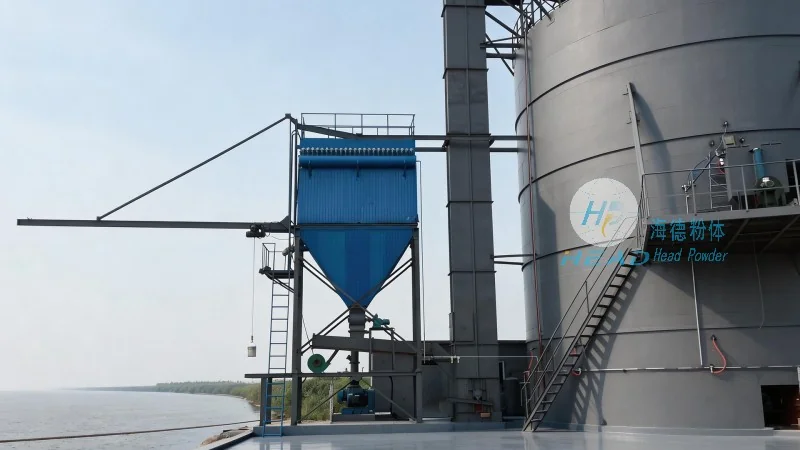
Several key components are integral to the efficient operation of a corn stalk pneumatic conveying system. The hopper serves as the primary storage and feeding unit, ensuring a consistent flow of material into the system. The blower or fan is responsible for generating the air pressure required to move the material. The pipeline network, often made of durable materials like stainless steel or PVC, is designed to withstand the abrasive nature of corn stalks and maintain the integrity of the material flow. The discharge unit, which can be a rotary valve or a pressure relief valve, controls the release of material at the end of the pipeline. Additionally, filters and cyclones may be incorporated to separate the air from the material, ensuring that the system operates cleanly and efficiently.

Process Flow and Operational Steps
The operation of a corn stalk pneumatic conveying system follows a systematic process. First, the corn stalks are loaded into the hopper. The system then starts the blower, which creates the air pressure needed to initiate the conveying process. As the material is fed from the hopper, it is drawn into the pipeline by the air stream. The material travels through the pipeline to the discharge point, where it is deposited. The system continuously monitors the air pressure and material flow to maintain optimal performance. If any blockages occur, the system may automatically adjust the air pressure or pause the material feed to prevent damage to the equipment.
Advantages and Applications
Corn stalk pneumatic conveying systems offer several advantages over traditional methods, such as mechanical conveyors. They are more flexible in terms of layout, as the pipeline can be installed in various configurations to accommodate different site conditions. The systems are also less prone to material degradation, as the material is not subjected to friction or impact during transport. These systems are widely used in agricultural processing facilities, where they are employed to transport corn stalks to storage silos, processing plants, or for use as animal feed. The efficiency and reliability of these systems make them an essential component of modern agricultural operations.




