Automatic bulk bag unloading and pneumatic conveying systems represent a critical technology in the handling of powder materials across various industrial sectors. These systems are designed to streamline the process of transferring bulk materials from large containers, such as super sacks or big bags, into processing equipment or storage tanks. The integration of automated unloading mechanisms with pneumatic conveying technology ensures efficiency, safety, and consistency in material handling operations.
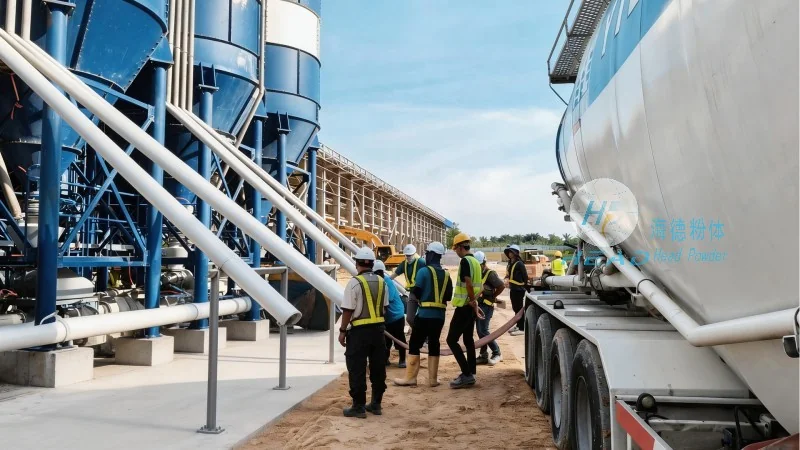
Overview of the System Principle
The core principle of an automatic bulk bag unloading and pneumatic conveying line involves the sequential operation of several key components. The process typically begins with the placement of a bulk bag onto a discharge platform or hopper. An automated unloading mechanism, often a bag emptying valve or a rotary valve, then opens to allow the material to flow into a hopper or a pneumatic conveying line. Simultaneously, a vacuum or pressure system is activated to transport the material through a pipeline network to the desired destination. This combination of mechanical unloading and pneumatic transport minimizes manual intervention and reduces the risk of material contamination or loss.
Key Components and Their Functions
Several critical components work in tandem to ensure the smooth operation of the system. The bulk bag unloader, which may include a bag support frame and a discharge valve, is responsible for safely and efficiently emptying the bag. The pneumatic conveying system consists of a blower or compressor, a filter, and a pipeline network. The blower generates the necessary air pressure or vacuum to move the powder through the system. The filter ensures that the air leaving the system is clean, preventing dust contamination in the environment. The pipeline network connects the unloading point to the receiving equipment, such as a silo or a processing machine. Additionally, a material separator or a cyclone may be included to separate any oversized particles or moisture from the conveyed material, ensuring the purity of the final product.

Working Scene Characteristics and Applications
The working scene characteristics of these systems are tailored to meet the demands of diverse industrial applications. In the food and pharmaceutical industries, where hygiene and contamination control are paramount, the systems are designed with stainless steel components and sealed connections to maintain product integrity. In the chemical and mining sectors, where materials may be abrasive or corrosive, the equipment is constructed from durable materials like stainless steel or high-grade alloys to withstand wear and corrosion. The systems are also adaptable to different material types, including fine powders, granules, and even bulk solids, making them versatile for various processing needs.

Operational Efficiency and Safety Features
One of the primary advantages of automatic bulk bag unloading and pneumatic conveying systems is their ability to enhance operational efficiency. By automating the unloading process, these systems reduce labor costs and minimize downtime associated with manual handling. The pneumatic transport method allows for the movement of materials over long distances without the need for additional equipment like conveyor belts or trucks, which can be costly and inefficient for certain applications. Furthermore, the systems are equipped with safety features such as pressure relief valves, emergency stop buttons, and dust suppression mechanisms to protect operators and the environment from potential hazards.

Case Study: Application in a Pharmaceutical Manufacturing Facility
A practical example of the application of such a system is in a pharmaceutical manufacturing facility. In this scenario, the system is used to transfer active pharmaceutical ingredients (APIs) from bulk bags into a high-purity storage tank. The automated unloading process ensures that the material is handled in a sterile environment, minimizing the risk of contamination. The pneumatic conveying system is designed with HEPA filters to maintain air quality, and all components are made from food-grade stainless steel to comply with regulatory standards. The system's efficiency allows the facility to meet production demands while adhering to strict quality control measures.
Conclusion and Future Trends
Automatic bulk bag unloading and pneumatic conveying lines are essential solutions for modern industrial operations, offering a balance of efficiency, safety, and adaptability. As industries continue to evolve, these systems are likely to incorporate advanced technologies such as IoT monitoring, real-time data analytics, and automated control systems to further optimize performance. The integration of such technologies will enable better material tracking, predictive maintenance, and enhanced operational insights, ensuring that these systems remain at the forefront of material handling solutions.




