Biomass pellet pneumatic conveying is a key technology in the efficient handling and transportation of biomass materials. This method leverages the principles of pneumatic transport to move biomass pellets from one location to another, offering advantages in terms of speed, cleanliness, and automation. The technology is widely applied in various industrial settings, and understanding its underlying principles and the characteristics of different working scenes is crucial for optimizing system performance and ensuring operational efficiency.
The Core Principles of Pneumatic Conveying for Biomass Pellets
The fundamental principle of pneumatic conveying involves the use of air as the conveying medium to transport solid particles. In the case of biomass pellets, which are typically lightweight and have a relatively uniform size, this method is particularly effective. The system generally consists of a conveying line, a feeding device, a separation unit, and a discharge mechanism. The process can be categorized into two main types: suction (or vacuum) conveying and pressure conveying. Suction conveying uses a vacuum to draw the pellets into the system, while pressure conveying pushes the material through the line using compressed air. For biomass pellets, suction conveying is often preferred due to the material's low density and the need to minimize pressure drop and energy consumption.

Key Components and Their Functions in Biomass Pellet Pneumatic Conveying Systems
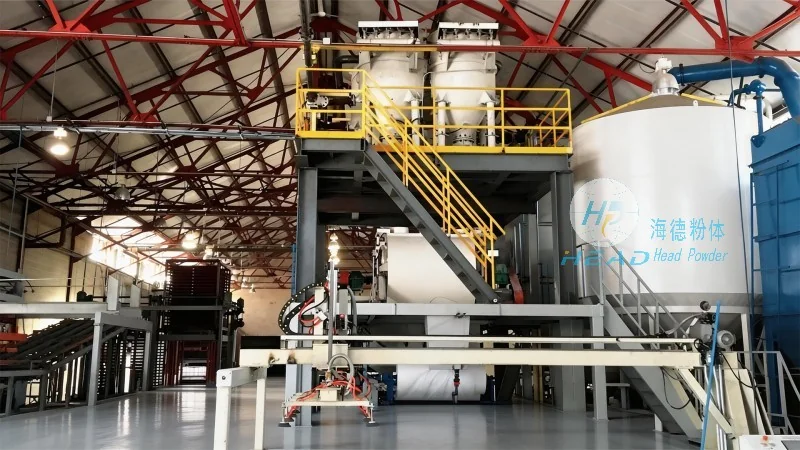
Several critical components work together to ensure the smooth operation of a biomass pellet pneumatic conveying system. The feeding device, such as a rotary valve or a star feeder, is responsible for introducing the biomass pellets into the conveying line at a controlled rate. The conveying line itself, usually made of metal or plastic, must be designed to withstand the pressure and friction from the pellets and air. The separation unit, which may include cyclones or filters, separates the pellets from the air stream at the end of the line, allowing the pellets to be discharged and the air to be recirculated or vented. The discharge mechanism, often a rotary valve or a screw conveyor, ensures that the pellets are deposited accurately at the destination. Each component must be carefully selected and maintained to prevent blockages, which are common issues in biomass pellet handling due to the material's tendency to clump or agglomerate.

Working Scene Characteristics of Biomass Pellet Pneumatic Conveying
The application of biomass pellet pneumatic conveying varies significantly across different working scenes, each with its own unique challenges and requirements. In industrial settings, such as biomass power plants or biofuel production facilities, the system must handle large volumes of pellets efficiently and reliably. The working scene may involve long-distance transport, often over several hundred meters, requiring high-pressure or high-volume conveying systems to maintain material flow. In these scenarios, the system's capacity and energy efficiency are critical factors. Another common working scene is in the agricultural sector, where biomass pellets are used as animal feed or fertilizer. Here, the system may need to handle smaller quantities and operate in more compact spaces, with a focus on hygiene and minimal dust generation. The characteristics of the working environment, such as temperature and humidity, also play a role in system design. For example, in outdoor applications, the conveying line may need to be protected from weather elements to prevent degradation of the pellets or damage to the equipment.
Advantages and Considerations for Biomass Pellet Pneumatic Conveying
Compared to traditional mechanical conveying methods, biomass pellet pneumatic conveying offers several advantages. One of the most significant benefits is the ability to handle materials in a clean and dust-free environment, which is essential for maintaining product quality and worker safety. The system also allows for greater flexibility in terms of layout, as the conveying line can be installed in various configurations to suit the specific needs of the facility. Additionally, pneumatic conveying can reduce labor costs by automating the material handling process, and it can improve safety by eliminating the need for manual handling of heavy or bulky biomass pellets. However, there are also considerations to keep in mind. The initial investment for a pneumatic conveying system can be higher than for mechanical systems, and the energy consumption is typically higher. Furthermore, the system must be designed to handle the specific properties of biomass pellets, such as their moisture content and tendency to clump, to prevent system blockages and ensure consistent performance.

Conclusion and Application Outlook
Biomass pellet pneumatic conveying is a versatile and efficient technology that plays a vital role in the modern handling of biomass materials. By understanding the core principles and the characteristics of different working scenes, industries can optimize their systems to achieve higher productivity, lower operational costs, and improved safety. As the demand for biomass-based energy and products continues to grow, the importance of reliable and efficient material handling systems will only increase. Companies like Shandong HeadPowder Engineering Co., Ltd., based in China, are at the forefront of developing and implementing advanced pneumatic conveying solutions tailored to the needs of the biomass industry, ensuring that the technology remains a key driver of efficiency and sustainability in the sector.




