For industrial applications that require the efficient and reliable transport of sodium carbonate powder, specialized conveying systems are essential. These systems are designed to handle the unique challenges associated with powder materials, ensuring consistent performance and minimal material loss. Shandong HeadPowder Engineering Co., Ltd., a leading manufacturer of powder handling solutions, provides advanced systems tailored to the needs of industries dealing with sodium carbonate. The following discussion outlines the working principles and key features of such systems, highlighting their importance in various industrial processes.

Working Principle of the Powder Conveying System
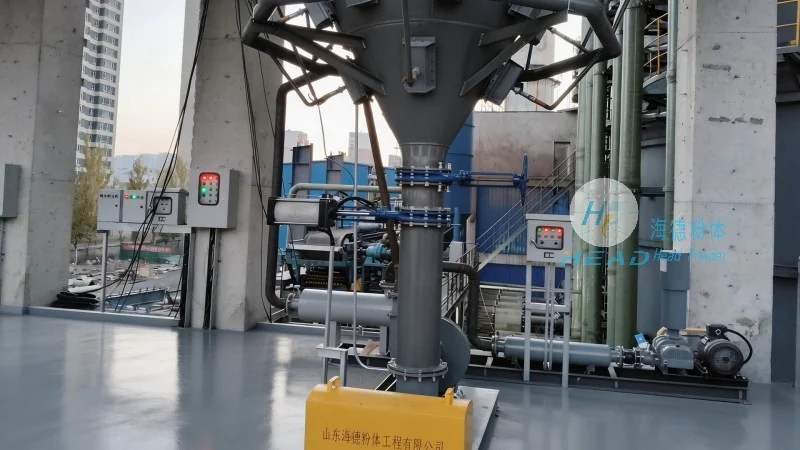
The core of a sodium carbonate powder conveying system typically involves a combination of mechanical components and control mechanisms. The system operates by drawing the powder from a storage hopper or silo into a conveying line. A common method is the use of a positive displacement pump or a rotary valve to create a vacuum or pressure differential that moves the powder through the system. The process begins with the powder being fed into the inlet of the conveying line, where it is then transported to the discharge point. The system may include components such as a feeder, a conveyor tube, and a control valve to regulate the flow rate and pressure. The entire operation is often automated, with sensors monitoring the flow and adjusting the system parameters to maintain optimal performance. This mechanism ensures that the sodium carbonate powder is moved efficiently without clogging or degradation, which is critical for maintaining product quality and system reliability.
Key Features of the Conveying System
Several key features distinguish effective sodium carbonate powder conveying systems. Firstly, the system is designed for high efficiency, minimizing energy consumption while maximizing material throughput. This is achieved through optimized component design, such as the use of low-friction conveyor tubes and efficient motor drives. Secondly, the system incorporates robust materials of construction to withstand the corrosive and abrasive nature of sodium carbonate powder. Stainless steel or specialized alloys are commonly used for components that come into direct contact with the powder, ensuring durability and preventing contamination. Thirdly, the system features advanced control and monitoring capabilities. Modern systems include sensors that track flow rates, pressure, and temperature, providing real-time data to operators. This allows for immediate adjustments to maintain consistent performance and prevent system failures. Additionally, the system is equipped with safety features, such as overpressure and vacuum relief valves, to protect against equipment damage and ensure operator safety. These features collectively contribute to the system's reliability and longevity.

Applications and Benefits in Industrial Settings
Sodium carbonate powder conveying systems are widely used in various industrial sectors, including chemical manufacturing, food processing, and pharmaceutical production. In chemical plants, these systems facilitate the transport of raw materials to reactors and processing units, ensuring a steady supply of sodium carbonate for production. In food processing facilities, the system helps maintain hygiene and prevent cross-contamination by delivering the powder in a controlled manner. The benefits of using such systems extend beyond efficiency and reliability; they also contribute to cost savings by reducing material waste and minimizing downtime due to system failures. The consistent performance of the system ensures that production processes run smoothly, leading to higher overall productivity and better product quality.

Conclusion
In summary, sodium carbonate powder conveying systems are critical components in industrial operations that handle powder materials. Their working principles, which involve mechanical and control mechanisms, ensure efficient and reliable transport of sodium carbonate. The key features, including high efficiency, durable construction, and advanced monitoring, make these systems suitable for demanding industrial environments. By understanding the working principles and features of such systems, industries can select the most appropriate equipment to meet their specific needs, ultimately enhancing operational efficiency and product quality.




