Chocolate powder conveying systems are essential in the modern food processing industry, particularly for chocolate manufacturers seeking efficient and reliable methods to handle and transport chocolate powder. These systems are engineered to ensure the safe, hygienic, and consistent movement of chocolate powder from storage to processing lines. Understanding the equipment's design and functionality is crucial for optimizing production efficiency and maintaining product quality.

Introduction to Chocolate Powder Conveying Systems
A chocolate powder conveying system is a specialized piece of machinery designed to transport chocolate powder through a controlled environment. The system typically includes components such as hoppers, conveyors, and control units that work together to move the powder from its storage location to the next stage of production. The primary goal of these systems is to prevent product contamination, minimize dust generation, and ensure the powder flows smoothly without clogging or degradation. This is especially important in the chocolate industry, where product purity and consistency are paramount.

Key Components of the Chocolate Powder Conveying System
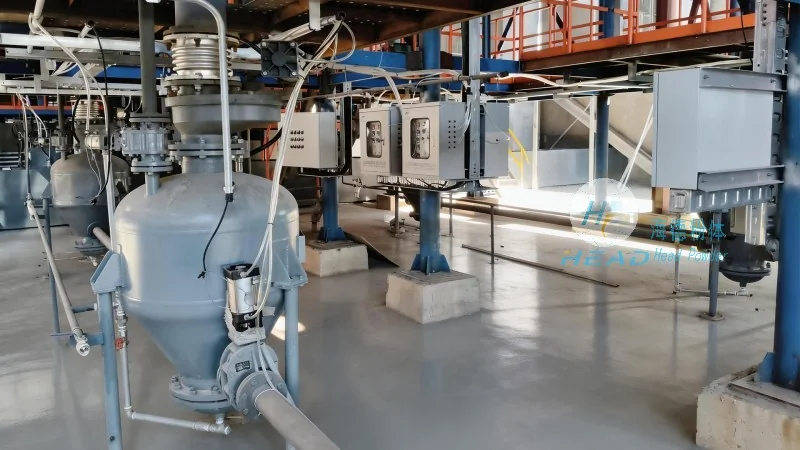
The chocolate powder conveying system consists of several critical components that work in tandem to achieve efficient powder handling. The first component is the hopper, which serves as the storage container for the chocolate powder. Hoppers are designed with smooth, non-stick surfaces to prevent powder adhesion and ensure easy discharge. They are often equipped with level indicators to monitor the powder quantity and alert operators when refilling is needed. The second key component is the conveyor itself, which can be of various types, including screw conveyors, pneumatic conveyors, or belt conveyors. Screw conveyors use rotating screws to push the powder forward, while pneumatic conveyors utilize air pressure to transport the powder through a pipeline. The choice of conveyor type depends on the specific characteristics of the chocolate powder, such as its moisture content, particle size, and flowability. Additionally, the system includes control units that regulate the speed and direction of the conveyor, ensuring precise and controlled movement of the powder. These control units may also include sensors to detect blockages or changes in powder flow, triggering automatic adjustments to prevent system failures.
Design Principles Behind the Equipment
The design of a chocolate powder conveying system is guided by several fundamental principles aimed at maximizing efficiency, safety, and product integrity. One of the primary design principles is hygienic design, which ensures that all components are easy to clean and maintain. This is critical in the food industry, where compliance with health and safety regulations is mandatory. The equipment is typically constructed from stainless steel or other food-grade materials that are resistant to corrosion and easy to sanitize. Another key design principle is the prevention of powder degradation. Chocolate powder is sensitive to temperature and moisture, and the conveying system is designed to minimize exposure to these factors. For example, the system may include temperature-controlled sections or moisture-proof enclosures to protect the powder from environmental changes. The design also emphasizes the reduction of dust generation. Dust can cause health hazards and product contamination, so the system incorporates features such as sealed hoppers and enclosed conveyor lines to contain the powder and prevent dust from escaping. Furthermore, the system is designed for easy maintenance and repair. Access panels and modular components allow technicians to quickly inspect and replace parts, reducing downtime and maintenance costs. The overall design aims to balance functionality with ease of use, ensuring that operators can efficiently manage the system while maintaining product quality.

Application and Benefits in Chocolate Production
Chocolate powder conveying systems are widely used in various stages of chocolate production, from raw material handling to final product packaging. In the raw material stage, the system is used to transport chocolate powder from storage silos to mixing and processing equipment. This ensures a consistent supply of powder, preventing production bottlenecks and maintaining the quality of the final product. During the mixing process, the conveying system can be integrated with other machinery to add the chocolate powder to other ingredients, such as cocoa butter or sugar, in precise proportions. This integration enhances the efficiency of the production line and reduces the risk of human error. In the final stages of production, the system may be used to transport the finished chocolate powder to packaging machines, where it is sealed into bags or containers. The benefits of using a chocolate powder conveying system extend beyond efficiency and quality. The system reduces labor costs by automating the powder handling process, allowing operators to focus on other tasks. It also minimizes product waste by preventing overfilling or underfilling of containers. Additionally, the system improves workplace safety by reducing the need for manual handling of heavy or dusty materials. Overall, the chocolate powder conveying system is a vital component of modern chocolate production, contributing to higher productivity, better product quality, and safer working conditions.




